Category: Driving

Preventing Hydroplaning: Simple Maintenance and Driving Habits That Save Lives – Guest Post
  

Driving

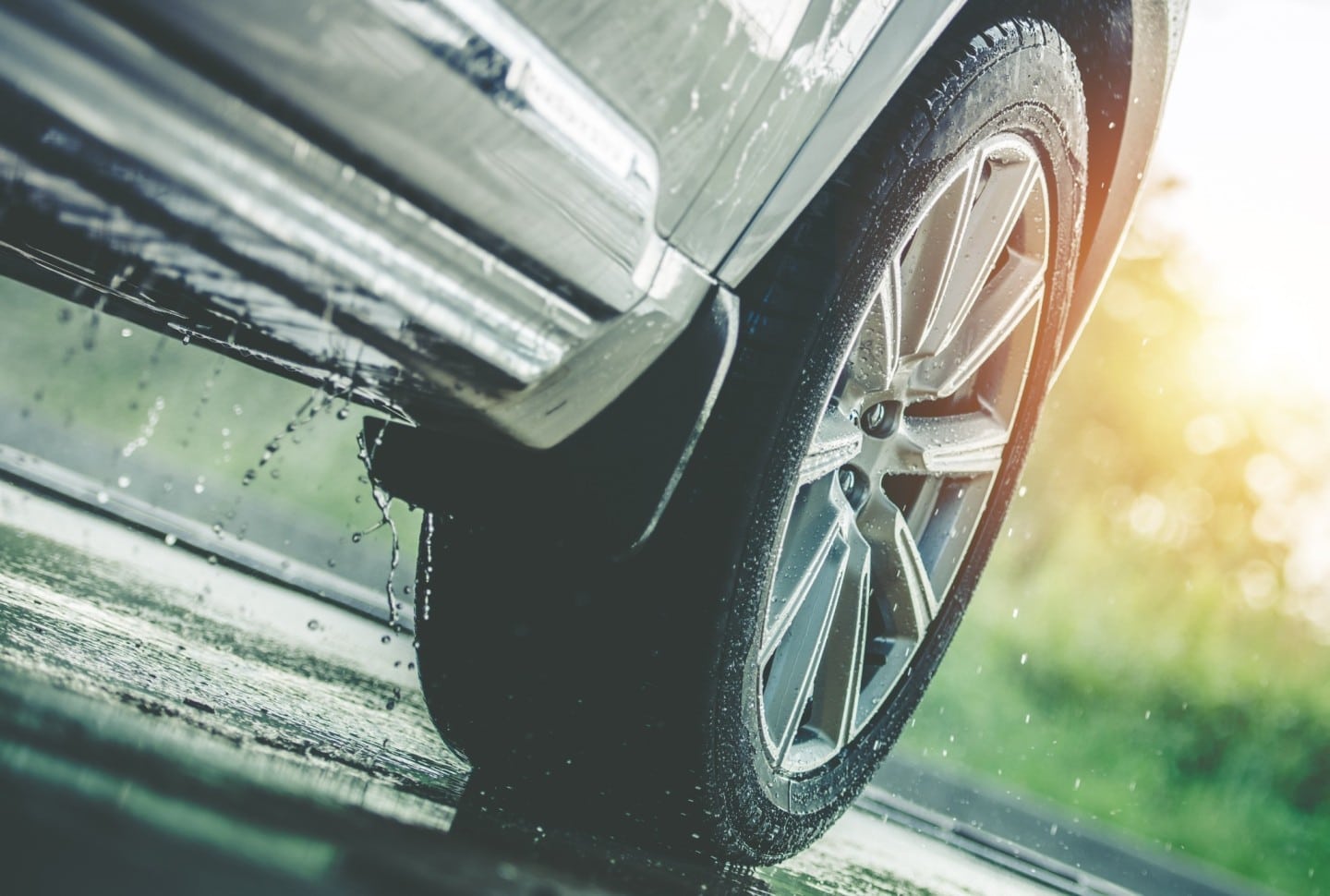
There is nothing quite like the sudden jolt of adrenaline you feel when your car loses contact with the road. One minute you are driving through a heavy downpour, and the next, your steering wheel feels completely weightless. This terrifying phenomenon is known as hydroplaning, and it happens when a layer of water builds up between your tires and the pavement, causing you to lose traction and slide. When this happens, you are no longer driving your vehicle but skimming across a lake on a set of four rubber blocks. If you ever find yourself in a crash because of severe weather, the Bob Katz Law car accident lawyers can help you navigate the aftermath. Fortunately, with some basic maintenance and smart habits, you can keep your car firmly planted on the asphalt.

Check Your Tires Before the Storm Hits

Your tires are the only things connecting your vehicle to the ground, making them your absolute best defense against hydroplaning. Tires are engineered with deep grooves that channel water away from the center of the tire, allowing it to maintain direct contact with the road surface.

As your tires wear down, those vital grooves become shallow. If your tread depth is too low, the water has nowhere to go, and your car will lift right off the ground. You can check your tread depth easily with a simple penny test. Insert a penny into your tire tread with Abraham Lincoln’s head facing down. If you can see the top of his head, your tread is dangerously low, and it is time for a new set of tires.

In addition to tread depth, tire pressure plays a massive role in safety. Underinflated tires are soft and tend to cup inward, trapping water beneath the center of the tire. Check your tire pressure at least once a month, and always stick to the recommended numbers on the sticker inside your driver ‘s-side door.

Adjust Your Driving Habits in the Rain

Even if you have brand new tires, you still need to change how you drive the moment the clouds open up. The single most important rule of wet-weather driving is to slow down. Hydroplaning can happen at speeds as low as thirty-five miles per hour, and your chances of sliding skyrocket as your speedometer climbs.

You also need to give the cars ahead of you plenty of space. It takes significantly longer to stop on a wet road than it does on a dry one. By doubling your normal following distance, you give yourself a massive safety cushion if the driver in front of you suddenly slams on their brakes.

Another major hazard is cruise control. While cruise control is great for long road trips on sunny days, using it in the rain is incredibly dangerous. If your car begins to hydroplane while cruise control is active, the system may interpret the loss of traction as a sign that the vehicle is slowing down. It will then pump more gas into the engine, causing your tires to spin even faster and sending you into a dangerous spin.

Scan the Road for Danger Zones

Safe driving requires you to look well ahead of your front bumper so you can spot hazards before you reach them. Water tends to accumulate in specific areas on the highway, and knowing where these pools form can save your life.

Look out for the outer lanes of the highway. Because roads are usually built with a slight crown in the center to help water drain to the sides, the far-left and far-right lanes often have the deepest puddles. Try to stay in the center lanes whenever it is safe to do so.

You should also watch out for visible reflections on the pavement. If the road ahead looks like a mirror, that means standing water is present. Try to drive directly in the tracks of the vehicle ahead of you. The tires of the car in front of you act like a plow, temporarily displacing the water and leaving a drier path for your own tires to grip.

How to React If You Start to Slide

If you do everything right and still feel your car start to fishtail, the absolute worst thing you can do is panic. Your natural instinct will be to slam on the brakes and jerk the steering wheel in the opposite direction, but doing this will cause you to lose complete control of the vehicle.

Instead, remain calm and take your foot completely off the gas pedal. Do not stomp on the brakes. If you have an older car without an anti-lock braking system, pump the brakes gently. If your car has modern anti-lock brakes, you can apply steady pressure, but letting off the gas is usually enough to slow the car down and allow the tires to regain contact with the road. Keep your steering wheel straight and wait for the tires to bite into the pavement again.

Final Word

Hydroplaning happens in the blink of an eye. Staying safe in wet weather is not impossible and can be entirely within your control. By keeping your tires properly inflated, checking your tread depth, and adjusting your speed to match the road conditions, you can significantly lower your risk of a scary weather accident. If you ever find yourself dealing with the consequences of a rainy day collision, remember that the Bob Katz Law car accident lawyers are available to support you through the legal process. Stay focused, slow down when the drops start falling, and arrive at your destination safely.
What to Do if You Are Hit By an Uninsured Driver – Guest Post


Car Accident

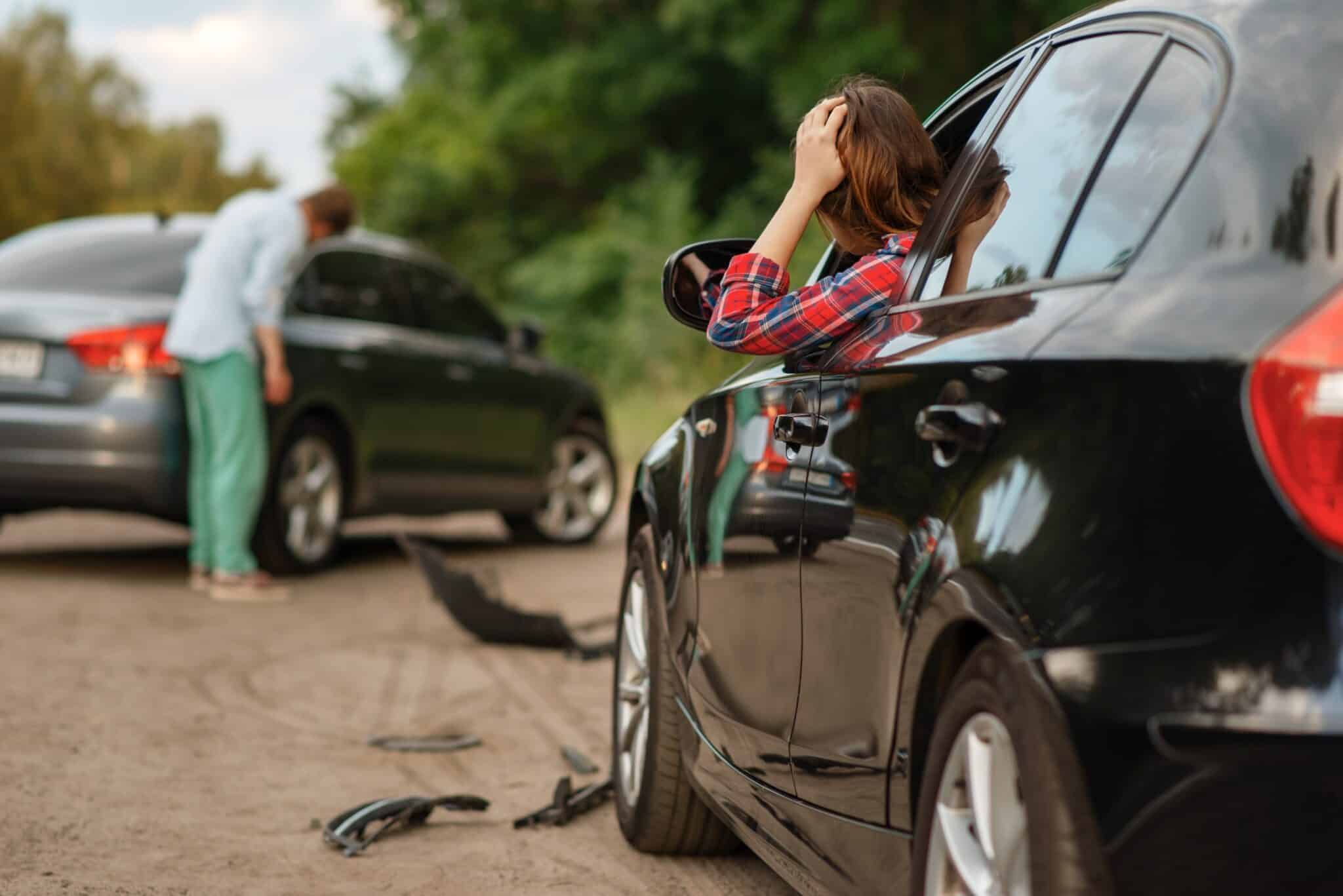
Being struck by an uninsured driver can leave you dealing with physical injuries, vehicle damage, and financial uncertainty all at once. The situation is stressful, but understanding the steps to take immediately after the collision can help you protect your rights and position yourself for the best possible outcome. Acting quickly and documenting everything thoroughly will make a significant difference as you navigate insurance claims and potential legal options.

Understanding the Risks of Uninsured Drivers

Collisions involving uninsured drivers are more common than many people realize. Despite legal requirements, millions of motorists nationwide operate vehicles without insurance. When one of them causes a crash, the financial burden often shifts to the victim. Medical bills, lost wages, and repair costs can accumulate quickly, and without the at?fault driver’s insurance to rely on, recovering compensation becomes more complicated. This is why your own insurance coverage and the steps you take after the accident matter so much.

Immediate Steps to Take at the Scene

Your safety comes first. Move to a safe location if possible and call 911 to report the accident. Even if the damage appears minor, having law enforcement document the incident is essential. A police report provides an official record of what happened, which becomes especially important when the other driver lacks insurance.

While waiting for help to arrive, gather as much information as you can. Photograph the vehicles, the surrounding area, and any visible injuries. Exchange contact details with the other driver, even if they admit they do not have insurance. If there are witnesses, collect their names and phone numbers as well. These details can help support your claim later.

How Your Own Insurance Coverage Comes Into Play

When the at?fault driver is uninsured, your own policy becomes the primary source of financial protection. Many drivers carry uninsured motorist (UM) coverage, which is designed for exactly this situation. UM coverage can help pay for medical expenses, lost income, and sometimes property damage, depending on your policy.

If you do not have UM coverage, you may still have options. Collision coverage can help with vehicle repairs, and medical payments coverage may assist with treatment costs. However, these benefits vary widely between policies. Reviewing your coverage promptly and asking your insurer for clarification can help you understand what compensation may be available.

In more complex cases, especially those involving serious injuries, consulting a car accident attorney in Los Angeles or another qualified legal professional in your area can help you evaluate whether additional legal action is appropriate. An attorney can assess the circumstances, explain your rights, and help you pursue compensation through all available avenues.

Documenting Your Injuries and Expenses

Thorough documentation is one of the most powerful tools you have after an uninsured driver accident. Even if you feel fine, seek medical attention as soon as possible. Some injuries take hours or days to appear, and medical records create a clear link between the accident and your condition.

Keep copies of all medical bills, treatment plans, prescriptions, and receipts. If your injuries prevent you from working, maintain records of missed workdays and lost wages. For vehicle damage, obtain repair estimates and keep receipts for towing or rental cars. The more detailed your documentation, the stronger your claim will be when dealing with your insurer or pursuing legal action.

When Legal Guidance May Be Necessary

Not every uninsured driver accident requires legal intervention, but many do—especially when injuries are significant or when insurance coverage is limited. An attorney can help you understand whether the uninsured driver has assets that could be pursued, whether your insurer is handling your claim fairly, and what additional steps may be available to recover compensation.

Legal professionals can also manage communication with insurance companies, gather evidence, and negotiate on your behalf. This support can be invaluable when you are focused on healing and managing the aftermath of the collision.

Conclusion

Being hit by an uninsured driver can feel overwhelming, but taking the right steps can protect your health, your finances, and your legal rights. Prioritize safety, document everything, understand your insurance coverage, and seek professional guidance when needed. With a clear plan and the right support, you can navigate the challenges of an uninsured driver accident and move forward with confidence.

AS AN UBER OR LYFT DRIVER CAN I CARRY A GUN IN MY CAR WITHOUT A PERMIT IN MISSOURI?


Driving Accident

Driving for Uber or Lyft in Kansas City can be unpredictable. You’re picking up strangers late at night. You’re driving into unfamiliar neighborhoods.

You’re responsible for your own safety — but also for your passengers.

Many rideshare drivers ask a very important question — “Can I legally carry a gun in my car without a permit in Missouri if I drive for Uber or Lyft?”

Missouri has some of the most permissive gun laws in the country but rideshare driving adds layers of legal risk that many drivers don’t understand until it’s too late. One mistake can lead to felony charges, loss of income, and permanent damage to your record.

That’s why understanding the law and having an experienced Kansas City criminal defense lawyer ready if something goes wrong — is critical.

MISSOURI IS A PERMITLESS CARRY STATE — WITH SOME SERIOUS CONDITIONS

Missouri allows permitless concealed carry for most adults over 19 (or 18 for military members).

This means, in general, you can legally carry a firearm without a permit if:

  • You are legally allowed to possess a firearm
  • You are not a convicted felon
  • You are not prohibited under federal law
  • You are not intoxicated
  • You are not carrying in a prohibited location

So at first glance, the answer appears to be yes — you can carry a gun in your car without a permit in Missouri. But rideshare driving changes the analysis.

UBER AND LYFT ARE PRIVATE COMPANIES AND THEIR RULES MATTER

Uber and Lyft both have strict policies prohibiting drivers from carrying firearms while logged into the app, even in states where carry is legal. Violating company policy can result in:

  • Immediate deactivation
  • Permanent loss of your driver account
  • Loss of income
  • Passenger complaints
  • Reports to law enforcement

Even if Missouri law allows you to carry, company policy does not override criminal law, but it can trigger police involvement if a passenger reports you.

PASSENGERS CHANGE THE LEGAL LANDSCAPE

When you’re driving alone, your car is generally treated as an extension of your personal space.

When you’re transporting passengers for hire, things get more complicated. Police may scrutinize:

  • Whether the firearm was accessible to passengers
  • Whether a passenger felt threatened
  • Whether the firearm was displayed or disclosed
  • Whether alcohol or drugs were involved
  • Whether the firearm was secured

A passenger complaint can quickly escalate into:

  • Brandishing allegations
  • Unlawful use of a weapon charges
  • Assault accusations
  • Disorderly conduct
  • Investigation into concealed carry legality

This is especially dangerous if the firearm is visible or mentioned.

FEDERAL LAW AND FELON-IN-POSSESSION LAWS STILL APPLY

Even in Missouri, federal law still prohibits firearm possession if you:

  • Have a felony conviction
  • Have a domestic violence conviction
  • Are subject to an active order of protection
  • Are under indictment in certain cases

If you drive for Uber or Lyft and fall into any of these categories, carrying a firearm, permit or not, can result in serious felony charges. This is where many drivers unknowingly put themselves at risk.

YOU’VE HEARD IT BEFORE: ALCOHOL, MARIJUANA AND FIREARMS DON’T MIX WELL

One of the fastest ways to turn legal carry into a crime is impairment. If police believe you are:

  • Intoxicated
  • Under the influence of marijuana
  • Impaired by prescription medication

You can be charged with:

  • Unlawful use of a weapon
  • DWI
  • Additional criminal offenses

Even the smell of alcohol or marijuana can trigger an investigation.

WHAT HAPPENS IF YOU USE THE FIRE ARM IN SELF-DEFENSE?

Missouri has strong Stand Your Ground and self-defense laws. However, self-defense cases involving rideshare drivers are heavily scrutinized. Police will examine:

  • Whether the threat was imminent
  • Whether force was proportional
  • Whether you escalated the situation
  • Whether you could have driven away
  • Whether company policies were violated

Even justified self-defense can still result in arrest and you’ll need a skilled Kansas City criminal defense lawyer to protect your rights.

COMMON CHARGES RIDESHARE DRIVES MAY FACE IN MISSOURI

Drivers carrying firearms can face charges such as:

  • Unlawful use of a weapon
  • Brandishing
  • Assault
  • Felon in possession
  • Endangering the welfare of a child (if minors are present)
  • Disorderly conduct

Many of these charges depend on interpretation, which makes experienced legal defense crucial.

HOW A TRUSTED MISSOURI CRIMINAL DEFENSE LAWYER PROTECTS RIDESHARE DRIVERS

At KC Defense Counsel, we help drivers by:

Determining whether carry was legal under Missouri law

Challenging unlawful stops and searches

Defending against brandishing or assault accusations

Analyzing passenger statements for credibility

Challenging improper arrests

Protecting your record and livelihood

We understand the unique risks rideshare drivers face and how quickly a routine shift can turn into a criminal case. Missouri’s gun laws are permissive but rideshare driving introduces serious legal risks.

Between company policies, passenger complaints, and aggressive enforcement, carrying a firearm as an Uber or Lyft driver must be approached with extreme caution.

One misunderstanding can cost you your freedom and your career.

CALL KC DEFENSE COUNSEL FOR A FREE AND CONFIDENTIAL CASE EVALUATION

If you’re an Uber or Lyft driver in Kansas City and have questions about carrying a firearm, or if you’ve been arrested or investigated over a gun-related incident — contact KC Defense Counsel immediately.

Our experienced Kansas City criminal defense lawyers know Missouri firearm laws, rideshare-related risks, and how to protect your rights and your livelihood.

At Speeding Ticket KC, we make traffic defense simple. Our affordable Kansas City traffic lawyers have helped thousands of drivers across Missouri save money, protect their licenses, and avoid insurance hikes. We handle everything, from speeding and red-light tickets to reckless driving and license suspensions. With years of experience in Missouri traffic courts, we know how to get results fast.

Contact Speeding Ticket KC today to speak with an experienced traffic ticket lawyer who can help you fight back and move forward.

Cities we serve: Adrian, Archie, Bates City, Belton, Blue Springs, Buckner, Butler, Cameron, Claycomo, Cleveland,  Drexel, Fairview,  Ferrelview,  Gladstone, Grain Valley, Grandview, Greenwood, Houston Lake, Independence, Kansas City Missouri, Kearney, , Knob Noster, Lake Lotawana, Lake Tapawingo, Lake Waukomis, Lake Winnebago, Lawson, Lee’s Summit, Liberty, North Kansas City, Oak Grove, Oakview,  Parkville, Peculiar,, Platte City, Platte Woods, Plattsburg, Pleasant Hill,  Raymore, Raytown, Riverside, Smithville, Sugar Creek, Tracy,  Warrensberg, Weatherby Lake, and Weston.

Statewide: Missouri State Highway Patrol and Sheriff Counties we serve: Bates County, Cass County, Clay County, Jackson County, Platte County, Ray County.

Contact our experienced Kansas City traffic defense lawyers near me in Missouri and let us help begin building your defense. Let us help.

Disclaimer: This page is for informational purposes only and does not create an attorney-client relationship. Always consult qualified counsel regarding your unique situation.

The Alternatives Available to Driving Under the Influence – Guest Post


Driving

Driving under the influence of alcohol is one of the most popular causes of accidents in the United States. With the rapid increase in DUI-caused accidents, it’s better to opt for an alternative rather than staying behind the wheel drunk. You’d not only be saving yourself from the stress of paying legal bills but also from sustaining injuries and other financial trouble.

If you’re going out and know you’ll be drinking, think ahead. Call a rideshare, grab a taxi, or ask a friend who isn’t drinking to drive. It’s such an easy way to keep everyone safe and avoid ruining your night, or even your life.

And by the way, if you’ve already been through something tough because of a DUI, whether it’s your own or someone else’s, know that choosing a DWI attorney is the only way to get an easy fix for the situation.

Understanding the Risks of Driving Under the Influence

Driving while under the influence of alcohol is very dangerous for the driver and other road users. The physical and cognitive effects of alcohol can also gravely impair a driver’s ability to operate a vehicle safely.

When you drive under the influence of alcohol and cause an accident, legally you are liable to cover the expenses, such as fines, license suspension, DUI charges, and potential jail time.

When you drink and drive, you are putting yourself at risk, and this may increase the likelihood of an accident that can result in severe injuries and fatalities.

Also, don’t forget the negative financial impact that a DUI can have, such as covering the expenses of your legal fees, paying higher insurance premiums, and possible damage liabilities. Consulting a drunk driving lawyer can help mitigate these consequences and guide you through the legal process.

Alternative Transportation Options

Here are the alternative transportation options that you can opt for when you are too drunk to drive.

  1. You can use popular apps like Uber, Lyft, or other services. They are commonly used all over the world due to their convenience, affordability, and availability.
  2. You can use the bus, train, and subway as an alternative. Public transportation is one of the safest and cheapest means to get to your destination.
  3. You can also use a traditional taxi as an alternative to DUI. This option is a good fit for you if rideshare services aren’t available in your location.
  4. Another alternative would be to assign a sober driver within your group (whether a family member, a friend, a colleague, or a loved one) before heading out. Also, you should encourage taking turns with your friends or family. This is to ensure the safety of all the occupants in the vehicle.
  5. Plan to stay at a friend’s house or book a nearby hotel whenever you are planning on to drink.
  6. Attend social gatherings without taking alcohol, you can replace them with alcohol-free alternatives like mocktails.

Tools to Prevent DUI

Here are a few personal tools that can help you avoid a DUI.

  • Breathalyzer Devices: Each driver must have a personal breathalyzer to check their blood alcohol levels before deciding to stay on the wheels.
  • DUI Prevention Apps: The DUI app is a must-have for all drivers. These apps provide alternative transportation suggestions or reminders to avoid driving if one is too drunk.

Conclusion

Remember the importance of avoiding DUIs and the numerous safe alternatives available, ranging from ridesharing services to traditional taxis.

Avoiding a DUI to leverage on the alternatives is key to being a responsible citizen. This may not only save lives but will also prevent legal and financial consequences.