Category: Accident

When a Kansas Traffic Accident Leads to Both Criminal Charges and a Personal Injury Claim

  

car accident

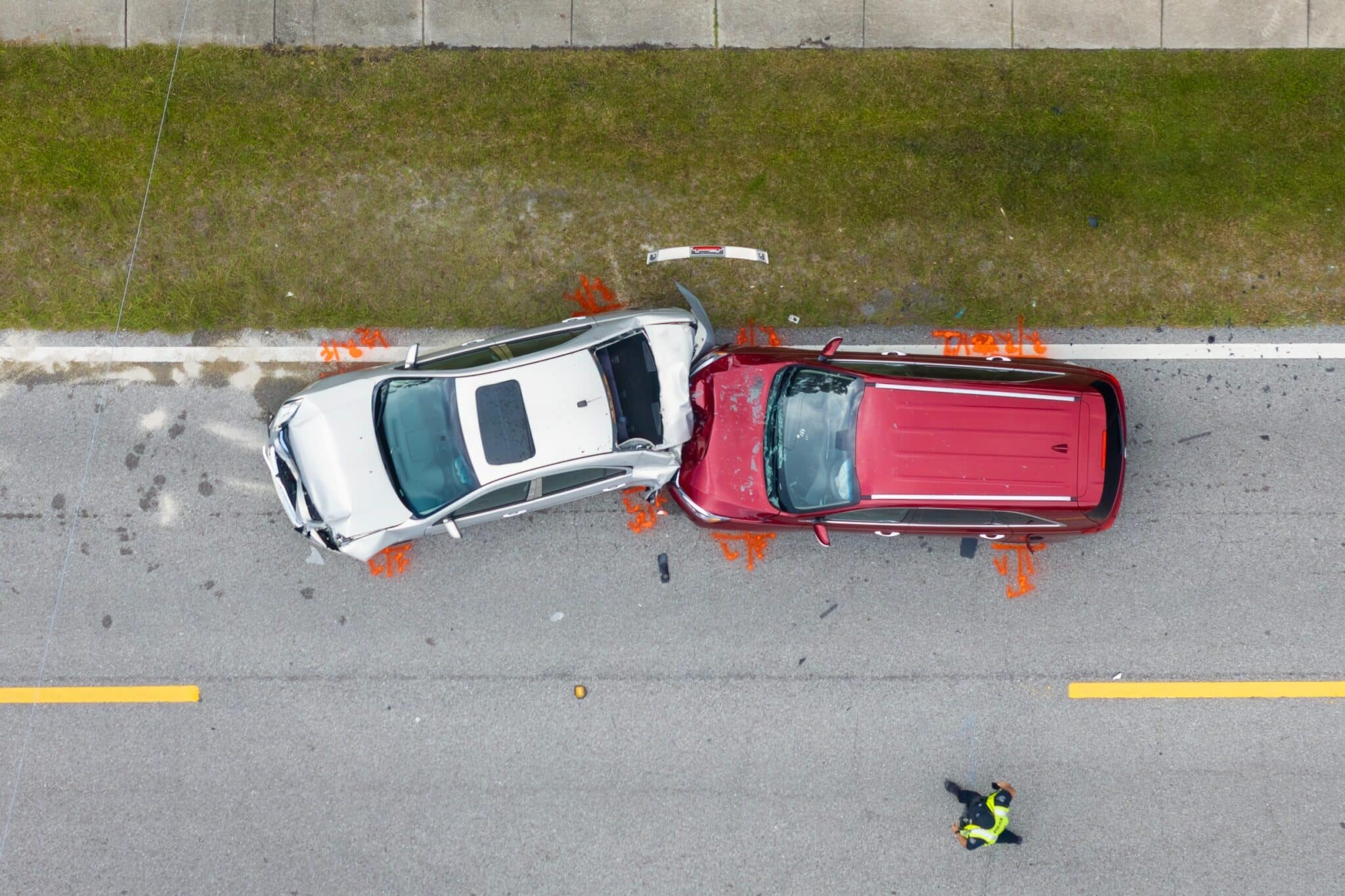
A single crash can put you in two different courtrooms at the same time. One is the criminal court, where the state decides whether a driver broke the law. The other is civil court, where an injured person pursues personal injury claims to recover money for their losses.

If you’ve been in a serious wreck in Kansas, understanding how these two tracks work, and how they overlap, can save you a lot of stress and confusion.

Here’s a plain-English guide.

Two Legal Tracks, One Accident

A traffic accident can trigger both a criminal case and a civil case, and they run on separate paths. They involve different parties, different goals, and different standards of proof.

Think of it this way:

  • The criminal case is State of Kansas v. the Driver. The government prosecutes to punish behavior and protect the public. Penalties include fines, license suspension, probation, or jail.
  • The civil case is Injured Person v. the At-Fault Driver. The goal isn’t punishment, it’s compensation for the harm caused.

One case doesn’t cancel out the other. A driver can be found not guilty of a crime and still be ordered to pay damages, because the two systems ask different questions.

Why the Standards of Proof Matter

Criminal and civil cases require different levels of evidence, which is why outcomes can differ.

  • Criminal conviction requires proof beyond a reasonable doubt, the highest standard in law.
  • A civil claim only needs a preponderance of the evidence, meaning it’s more likely than not that the driver was at fault.

The classic example is a high-profile case where a defendant is acquitted in criminal court but later held liable in a civil lawsuit. Same facts, different result, because the bar for winning is lower on the civil side.

What Criminal Charges Might Look Like in Kansas

Serious crashes in Kansas can lead to charges ranging from traffic infractions to felonies. What gets filed depends on the driver’s conduct and how badly people were hurt.

Common Charges After a Crash

  • DUI (S.A. 8-1567): Driving under the influence of alcohol or drugs. A first offense is typically a misdemeanor, but penalties climb quickly with prior convictions or injuries.
  • Reckless driving: Operating a vehicle with willful disregard for safety.
  • Vehicular homicide (K.S.A. 21-5406): Causing a death through unlawful or negligent driving.
  • Leaving the scene: Fleeing an accident involving injury or death is a serious offense.

A DUI that injures someone can be charged as aggravated battery while DUI, which is a felony in Kansas and carries far steeper consequences than a standard first-offense DUI.

How a Personal Injury Claim Works

A personal injury claim lets an accident victim seek money for the harm they suffered. It’s filed by the injured person (or their attorney), not the government.

If you’re the person who got hurt, this is how you pursue compensation for medical bills, lost income, and pain, costs that insurance alone often won’t fully address.

What You Can Recover

Damages in a Kansas injury claim generally fall into a few buckets:

  • Medical expenses — ER visits, surgery, physical therapy, and future care.
  • Lost wages — income missed during recovery, plus reduced earning capacity.
  • Pain and suffering — the physical and emotional toll of the injury.
  • Property damage — repairs or replacement of your vehicle.

The Kansas No-Fault Wrinkle

Kansas is a no-fault auto insurance state, which affects when you can sue. Your own Personal Injury Protection (PIP) coverage pays initial medical bills regardless of who caused the crash.

To step outside no-fault and file a lawsuit against the other driver, your injury generally has to cross a threshold, such as more than $2,000 in medical expenses, or a permanent injury, disfigurement, or fracture. This is one of the biggest reasons injury cases in Kansas benefit from professional guidance.

How the Two Cases Interact

Evidence from the criminal case can strengthen a civil claim, but the cases proceed independently. They influence each other without being formally linked.

Can a Conviction Help an Injury Claim?

Yes, a criminal conviction can be powerful evidence in a related civil case. If a driver pleads guilty to DUI or is convicted of reckless driving, that outcome can support the injured party’s argument that the driver was negligent.

What About Timing?

Criminal cases often move faster than civil ones. It’s common for:

  1. The criminal charge to be filed and resolved first.
  2. The injury claims to develop as the victim’s medical condition stabilizes.
  3. Civil attorneys to reference police reports, breath-test results, or the conviction itself.

Because deadlines differ, don’t wait on one case to handle the other. Kansas generally gives injured people two years from the accident date to file a personal injury lawsuit.

What to Do If You’re Facing Both

Whether you’re the injured party or the driver being charged, get the right professional in your corner early. These are two separate problems that usually need two separate specialists.

  • Facing criminal charges? A criminal defense attorney protects your rights in the state’s case.
  • Injured in the crash? A personal injury attorney handles your claim for compensation.

A quick checklist for anyone after a serious Kansas crash:

  • Seek medical care and keep every record.
  • Report the accident and request a copy of the police report.
  • Avoid giving recorded statements to insurers before talking to an attorney.
  • Write down what you remember while it’s fresh.

Where This Leaves You

Here’s the takeaway: one Kansas crash can play out in two courtrooms at once, and a win or loss in one doesn’t decide the other. A driver might beat the criminal charge and still owe damages. An injured person might see the at-fault driver convicted and use that outcome to strengthen their own claim.

The two cases run on separate clocks, follow separate rules, and reward people who don’t sit on their hands. Whether you’re defending against charges or trying to recover after an injury, the smartest move is the same: talk to the right attorney early, keep good records, and don’t let one case’s deadline slip while you focus on the other.

Why App Status Can Change the Direction of a Rideshare Accident Claim – Guest Post


Accident

Rideshare services have become a common part of daily transportation. 

Many people use Uber and Lyft to commute, travel, or avoid driving themselves. When a rideshare accident happens, most attention naturally focuses on the crash itself. However, investigators often examine details that are not immediately visible at the scene. One of the most important details is the driver’s app status at the time of the collision. People who are injured in rideshare accident situations are often surprised to learn that app activity can become a significant factor during the investigation. 

Understanding why this matters helps explain the unique nature of rideshare accident claims.

A Small Detail With Major Consequences

App status refers to the driver’s activity within the rideshare platform at a specific moment. While this may seem like a minor technical detail, it can provide important information about what the driver was doing before the collision occurred.

Unlike ordinary drivers, rideshare drivers interact with a digital platform throughout their workday. Investigators often review these activities because they help establish a timeline and provide context for the events surrounding the accident.

The Different Stages of Rideshare Activity

Drivers move through several stages while using a rideshare application. Understanding these stages helps explain why app status receives so much attention during investigations.

Common Driver Status Categories

  • Offline and not using the app
  • Logged in and waiting for a ride request
  • En route to pick up a passenger
  • Transporting a passenger

Each stage creates a different digital record that may help investigators understand the driver’s actions before the collision occurred.

Why Timing Matters More Than Many People Realize

In rideshare investigations, timing is often extremely important. A difference of only a few seconds can affect how events are interpreted.

For example, investigators may try to determine whether a ride request had already been accepted before the collision happened. They may also examine when the driver began traveling toward a pickup location or when a passenger entered the vehicle.

Because digital systems record many of these activities automatically, investigators can often compare timestamps with other evidence to build a detailed timeline of events.

The Records That Help Reconstruct App Activity

App status is usually verified through multiple sources of information. Investigators rarely rely on a single record when reviewing a collision.

Sources Commonly Reviewed

  • App activity records
  • GPS data
  • Ride history logs
  • Electronic communications
  • Accident reports

When reviewed together, these records can help create a clearer picture of the driver’s movements and actions before the crash.

When Driver Statements and Digital Records Do Not Match

Not every investigation produces perfectly consistent information. Sometimes driver statements differ from electronic records or witness observations.

A driver may remember events differently from what the app data indicates. Witnesses may describe actions that appear inconsistent with the digital timeline. These situations do not automatically mean anyone is providing false information. Memory can be affected by stress, confusion, and the sudden nature of an accident.

Because of these possibilities, investigators compare multiple sources before reaching conclusions about what happened.

How App Status Can Influence Insurance Questions

App activity often becomes important when reviewing insurance-related issues after a collision. Investigators frequently examine the driver’s status to better understand the circumstances surrounding the event.

Questions involving an insurance claim may arise once investigators determine the driver’s activity at the time of the crash. Establishing an accurate timeline can help clarify how the collision developed and which records should be examined during the review process.

This is one reason why app status receives significant attention in rideshare accident investigations.

Why Rideshare Investigations Often Involve Multiple Sources of Information

App records provide valuable information, but they rarely tell the entire story. Investigators usually combine digital records with other forms of evidence to gain a more complete understanding of the collision.

Additional Evidence Often Considered

  • Witness statements
  • Traffic camera footage
  • Vehicle damage patterns
  • Scene photographs
  • Driver and passenger accounts

Each source contributes a different perspective. Together, they help investigators evaluate whether the available information supports a consistent timeline of events.

Looking Beyond the Accident Itself

Many rideshare investigations focus on more than the moment of impact. Investigators often examine what happened before the collision, including driver activity, travel routes, and trip progress.

This broader review can help explain decisions that may otherwise seem unclear. By understanding the sequence of events leading up to the crash, investigators are often able to build a more complete picture of what occurred.

A thorough rideshare accident investigation frequently depends on connecting information from several sources rather than relying on a single piece of evidence.

Conclusion

App status is much more than a technical detail within a rideshare platform. It can provide valuable information about a driver’s activity, timing, and movements before a collision occurs. Digital records, GPS information, ride history logs, and supporting evidence often work together to help investigators understand the full sequence of events. Individuals who are injured in rideshare accident situations may find that these records become an important part of the investigation. By examining the complete timeline, investigators can develop a clearer understanding of how and why the collision happened.

Truck and Motorcycle Accidents in Greenville: What Victims Should Know – Guest Post


Truck Accident

Not all road accidents are alike. Among the most serious are those involving large commercial trucks and motorcycles, two very different types of vehicles that, for opposite reasons, tend to produce devastating injuries. Trucks are enormous and powerful; motorcycles offer almost no protection. When either is involved in a crash, the consequences for victims can be catastrophic. For Greenville residents, understanding what makes these accidents distinct, and what rights victims have, is essential to protecting themselves after a serious collision.

This article is general information rather than legal advice, but it should help Greenville residents understand these claims.

A category of their own

Both truck and motorcycle accidents stand apart from the ordinary fender-benders that most drivers picture when they think of a collision. They tend to involve more serious injuries, more complicated questions of responsibility, and higher stakes for the people affected. For that reason, victims of these crashes often find that the approach suited to a minor accident doesn’t fit their situation, and they benefit from understanding what makes their case distinct.

This is one reason people hurt in these crashes frequently seek out a personal injury attorney in greenville sc who understands the particular demands of truck and motorcycle cases. Treating a serious truck or motorcycle crash with the same casual approach as a minor accident can leave a victim under-protected. Recognizing that these cases belong in a category of their own is the first step toward handling them appropriately.

Why truck accidents are so severe

The most striking feature of truck accidents is the sheer disparity in size and weight between a commercial truck and a passenger vehicle. A fully loaded tractor-trailer can weigh many times more than a car, and the laws of physics are unforgiving in a collision between the two. The occupants of the smaller vehicle typically bear the brunt of the impact, often suffering severe, life-altering, or fatal injuries.

This severity sets truck accidents apart from typical car crashes. The injuries are frequently more serious, the medical consequences more extensive, and the long-term impact on victims and families more profound. Because of these stakes, truck accident claims demand careful attention to the full scope of the harm involved, including future medical needs and lasting effects. People injured in collisions with commercial trucks often consult a greenville truck accident lawyer to understand their rights and the full extent of what they may be entitled to pursue. Recognizing the severity of these accidents is the starting point for protecting one’s interests.

The complexity of truck accident claims

Beyond their severity, truck accidents are often more legally complex than ordinary car accidents. One reason is that multiple parties may bear responsibility. The truck driver, the trucking company, and potentially others involved in loading, maintaining, or operating the vehicle could all play a role in causing a crash. Identifying who is responsible can be more involved than in a typical two-car collision.

The trucking industry is also heavily regulated, with extensive federal and state rules governing matters like driver hours of service, vehicle maintenance, and cargo loading. Violations of these regulations can be central to establishing how an accident happened and who was at fault. This regulatory dimension adds a layer of complexity not present in ordinary accidents. Understanding that truck accident claims involve these additional considerations multiple potential responsible parties and a web of regulations helps victims appreciate why these cases require careful handling. The complexity is significant, but it can also reveal important avenues for establishing accountability.

The vulnerability of motorcyclists

If trucks cause severe injuries through their size, motorcycles do so through the opposite, the near-total absence of protection. A motorcyclist has little between them and the road or other vehicles, which means that even a collision that might be minor between two cars can cause devastating injuries to a rider. Motorcyclists are among the most vulnerable people on the road.

When a motorcycle accident occurs, the injuries are frequently severe, including traumatic brain injuries, spinal damage, broken bones, and other serious harm. These accidents often result from the negligence of other drivers who fail to see motorcyclists, misjudge their speed, or don’t share the road safely. South Carolina law allows injured motorcyclists to seek compensation when another’s negligence caused the crash. Riders hurt in collisions often consult a Greenville motorcycle accident lawyer to protect their rights. Understanding their vulnerability and that they have the same rights to compensation as any other accident victim is essential for motorcyclists.

The challenge of bias against motorcyclists

A distinctive challenge in motorcycle accident cases is the bias riders sometimes face. There can be a tendency to assume that motorcyclists are reckless or somehow responsible for their own injuries, even when the evidence shows otherwise. This bias can influence how a rider’s claim is perceived and how insurance companies approach it, potentially affecting the outcome.

This makes establishing the true facts of an accident especially important in motorcycle cases. Riders may need to overcome unfair assumptions and demonstrate clearly what actually happened and who was responsible. Insurance companies may seize on these biases to shift blame onto the rider and reduce what they must pay. Being aware of this challenge, and prepared to counter it with evidence, is important for injured motorcyclists seeking fair treatment.

How South Carolina’s fault rules apply

Both truck and motorcycle accident claims in South Carolina are affected by the state’s comparative negligence rules. South Carolina follows a modified comparative negligence system, under which an injured person’s recovery is reduced by their share of fault, and barred if their fault exceeds a certain threshold. This makes establishing what happened, and who was responsible, critical to the outcome.

This rule is particularly significant given the dynamics of these cases, the potential for insurers to shift blame onto motorcyclists, and the disputes over responsibility that can arise in complex truck accidents. Being prepared to establish the facts and counter unfair attempts to assign blame is essential to protecting a fair recovery. The determination of fault directly affects how much an injured person receives, which is why the evidence surrounding an accident deserves careful attention in both truck and motorcycle cases.

The importance of prompt action

In both truck and motorcycle accident cases, acting promptly is important. South Carolina sets deadlines for filing personal injury claims, and missing them can forfeit the right to compensation. Beyond the formal deadlines, evidence in these cases including the physical evidence of the accident, witness accounts, and, in truck cases, records that may be relevant to regulatory compliance is best preserved sooner rather than later, as it can deteriorate or become harder to obtain over time.

Prompt action thus serves to protect both legal options and the evidence on which a strong claim depends. Given the severity of these accidents and the complexities involved, understanding one’s situation and taking timely steps to protect one’s rights is especially important. The victims who fare best are typically those who address their claims promptly rather than waiting, ensuring that the evidence and options remain available to them.

The bottom line

Truck and motorcycle accidents are among the most serious road accidents Greenville residents can face, producing devastating injuries for opposite reasons the overwhelming force of large trucks and the near-total vulnerability of motorcyclists. Truck accidents bring added complexity through multiple potential responsible parties and extensive regulations, while motorcycle cases require overcoming bias against riders. Both are shaped by South Carolina’s comparative negligence rules and subject to deadlines. By understanding what makes these accidents distinct, knowing their rights, and acting promptly, victims can protect their interests and pursue fair compensation after a serious collision.

What Compensation Injury Victims Can Seek After an Accident – Guest Post


federal workers compensation attorney

After an accident, recovery can bring emergency bills, lost pay, pain, and pressure from insurance adjusters. Compensation helps injured people replace money, pay for care, and plan for long-term medical needs. Claim value depends on fault, proof, treatment history, insurance limits, and future restrictions. Early records matter. They show how a crash, fall, bite, or medical mistake changed health, work, and daily routines.

Local Claim Guidance

Pennsylvania injury claims can turn on filing dates, insurance language, and proof gathered soon after harm occurs. Someone hurt in Luzerne County may review available damages with Wilkes-Barre personal injury lawyers before giving recorded statements, because early wording may shape payment decisions. Medical charts, wage records, photos, and witness details connect losses to the event.

Medical Bills

Medical costs often form the starting point. They may cover ambulance transport, emergency care, surgery, scans, medication, injections, therapy, and follow-up visits. Future treatment also matters when a doctor expects more procedures or rehabilitation. Written opinions help, since insurers often challenge care that has not yet occurred.

Lost Income

A claim may include pay missed during recovery. Useful proof includes pay stubs, tax returns, employer letters, and attendance records. Some workers return with shorter shifts or lighter tasks. That reduced earning power can count, too. Contractors may rely on invoices, bank deposits, signed agreements, and profit records.

Reduced Future Earnings

Serious injuries can narrow career options. A spinal injury may end warehouse work. Head trauma can affect recall, focus, balance, or speech. Nerve damage may weaken grip strength. Future earning loss is measured through medical opinions, job duties, age, training, and labor data.

Pain And Suffering

Pain and suffering reflect physical discomfort, movement limits, and disrupted routines. It is harder to measure than a bill, yet often substantial. Treatment notes, prescription history, therapy records, and family observations can show sleep loss, restricted mobility, missed hobbies, and trouble with chores.

Emotional Harm

Trauma can leave fear, anxiety, irritability, grief, or poor sleep. Some people avoid driving, stairs, dogs, crowds, or medical offices after an incident. Counseling notes, diagnoses, medication records, and personal accounts can support this loss. Mental health symptoms deserve careful documentation, just like fractures or surgical wounds.

Property Damage

Vehicle crashes may create repair bills, towing charges, storage fees, and rental costs. Property loss can also include damaged phones, glasses, helmets, clothing, tools, or medical aids. Photos and receipts help establish condition and value. If repair is impractical, replacement cost may be included.

Home And Travel Costs

Recovery often brings smaller expenses that add up. Injured people may need rides, parking, ramps, shower chairs, braces, crutches, or temporary household help. Some homes require changes for safer movement. Receipts should be kept with dates and notes explaining each medical purpose.

Loss Of Enjoyment

Some injuries take away activities that once shaped ordinary life. A runner may stop training. A parent may struggle to lift a child. A musician may lose finger control. This category focuses on reduced independence, changed routines, and missed personal experiences. Photos, calendars, and statements can help.

Scarring And Disfigurement

Visible scars, burns, amputations, and facial injuries may support added compensation. These harms can affect confidence, social comfort, employment options, and daily interaction. Medical photographs, surgical opinions, and records for revision procedures may carry weight. Location, permanence, size, and sensitivity often influence value.

Disability And Long-Term Care

Permanent disability can create needs that last for decades. Compensation may include mobility equipment, nursing support, home health services, therapy, medication, and monitoring. Severe injuries may require case management or modified housing. Insurance plans can estimate future costs, reducing the risk of an undersized settlement.

Wrongful Death Damages

When an accident causes death, surviving relatives may seek related damages. These can include funeral expenses, medical care prior to death, lost financial support, and household services. Pennsylvania law governs who may recover and how claims move forward. Records should show relationships, income history, expenses, and practical support.

Punitive Damages

Punitive damages differ from ordinary compensation. They may apply when conduct was especially reckless or showed a conscious disregard for safety. Drunk driving, excessive speeding, or intentional misconduct may raise this issue. Courts use strict standards. The purpose is punishment and deterrence, separate from repayment for direct losses.

Evidence That Raises Value

Strong claims depend on organized evidence. Helpful items include police reports, incident records, medical charts, photographs, videos, repair estimates, wage documents, and witness statements. Gaps in treatment can weaken a case because insurers may argue that symptoms improved. Prompt care and steady follow-up clarify the cause and injury progression.

Settlement Factors

No fixed formula sets payment. Severity, recovery time, fault disputes, medical proof, insurance coverage, prior health issues, and witness strength all matter. A sprain differs from surgery or permanent impairment. Shared fault can reduce recovery. Careful valuation reviews each loss category before talks begin, since early offers may omit future needs.

Conclusion

Compensation after an accident can cover much more than the first hospital invoice. It may include lost income, future care, pain, emotional distress, property damage, disability needs, and family losses after death. Every claim depends on facts, records, and medical proof. The strongest cases tie each requested dollar to reliable evidence. Steady treatment, organized documentation, and timely legal review help protect recovery.

After the Impact: Smart Moves When a Crash Leaves Someone Injured – Guest Post


Car Accident

Car accidents happen in a flash. One minute you’re listening to the radio, and the next, you’re dealing with a high-stress crisis. When a collision leaves someone hurt, the decisions made during the chaotic aftermath carry a lot of weight.

Knowing how to handle the immediate fallout protects physical health, satisfies your legal obligations, and secures the evidence you will need if an insurance claim becomes necessary. Adrenaline will be running high, but taking systematic, logical steps keeps everyone safe and protects your interests down the road.

Knowing exactly what to do after an accident involving injuries establishes a solid baseline for everything that follows. Taking the correct actions at the scene protects your health, ensures compliance with local laws, and safeguards your right to fair compensation.

1. Prioritize Immediate Scene Safety and Medical Triage

Your absolute first priority following any collision must be human safety. Turn off the vehicle ignitions immediately to reduce fire risks, and turn on hazard lights to alert oncoming traffic.

Check yourself and your passengers for injuries before checking on the occupants of the other vehicle. If anyone complains of neck pain, back pain, or severe trauma, do not attempt to move them unless an immediate hazard, such as fire or rising water, makes remaining in place life-threatening. Moving an injured person improperly can permanently worsen spinal cord injuries.

2. Contact Emergency Responders and Law Enforcement

Dial 911 immediately if any individual involved in the crash exhibits signs of physical distress. Do not let the other driver talk you out of calling emergency services, even if the crash seems minor or they offer to pay for damages out of pocket.

When police officers arrive, provide a clear, factual account of what happened without speculating, guessing, or apologizing. Avoid making sweeping statements like “I’m fine” or “It was my fault,” because the biological rush of adrenaline can temporarily mask pain and obscure the true mechanics of the crash. The formal police report acts as an objective, third-party record that insurance companies rely on heavily during the claims process.

3. Establish a Formal Medical Record Right Away

Seek a professional medical evaluation on the same day as the accident, even if you feel completely unharmed. Many common accident injuries, such as concussions, internal bleeding, and soft-tissue whiplash, do not show obvious symptoms until the body calms down hours or days later.

According to data from the Insurance Research Council (IRC), delay in seeking medical care is one of the primary reasons insurance adjusters deny or heavily discount personal injury claims.

Visiting an emergency room, urgent care center, or primary physician creates an immediate, legally binding link between the collision and your physical condition. Keep an organized folder of every discharge summary, prescription, diagnostic scan, and medical bill you receive. Once a physician prescribes a treatment plan, follow it precisely; skipping physical therapy or missing follow-up appointments gives insurance providers a reason to argue that your injuries are minor or unrelated to the wreck.

4. Learn from Experienced Legal Playbooks

Navigating the immediate aftermath of a severe wreck requires a clear understanding of your baseline legal obligations. For those looking for structured guidance on handling insurance company outreach and medical treatment tracking, established legal resources offer critical action plans to stabilize the situation.

A comprehensive approach to this situation outlines the exact operational steps required to maintain control when things get chaotic. This playbook emphasizes that the earliest actions taken at a crash scene heavily dictate the viability of any subsequent financial recovery.

When a crash is caused by extreme negligence, reckless behavior, or impaired driving, civil injury claims often intersect with serious traffic charges. In these complex scenarios, navigating local court systems requires heavy litigation experience, which is why consulting a dedicated criminal defense attorney can help clarify how traffic offenses impact liability and protect your rights from day one.

Legal advocates stress that the primary objective of any insurance adjuster is to protect their corporate bottom line, not your personal recovery. Securing independent legal counsel early prevents you from falling victim to common insurance traps, such as signing premature medical release forms or giving recorded statements that can easily be taken out of context.

5. Document the Physical and Digital Evidence

Collect as much comprehensive evidence at the scene as safely possible. Use your smartphone to take high-resolution photos of vehicle damage, license plates, traffic signals, road hazards, and visible injuries.

Essential Wreck Scene Checklist:

  • Driver & Vehicle Details: Full names, phone numbers, insurance policy numbers, and driver’s license numbers of all operators.
  • Witness Information: Names and contact information of any bystanders who saw the impact occur.
  • Scene Dynamics: Photos of skid marks, debris fields, weather conditions, and the positioning of all vehicles relative to the roadway.

According to data tracking by the National Highway Traffic Safety Administration (NHTSA), preserved physical scene metrics like skid marks and point-of-impact debris are among the most reliable indicators used by accident reconstructionists to determine fault.

Maintain complete silence regarding the accident on social media platforms. Insurance defense teams routinely monitor public profiles, looking for photos, check-ins, or casual comments that they can use to minimize the documented severity of your injuries.

6. Understand the Full Scope of Long-Term Financial Impact

Evaluate an injury claim based on your long-term prognosis rather than your immediate medical expenses. A rushed, early settlement offer from an insurance company rarely accounts for future surgeries, ongoing physical rehabilitation, or lost earning capacity if you cannot return to your previous profession.

Working with an experienced trial attorney ensures that specialized economic experts can accurately calculate the total lifetime cost of your recovery. Taking deliberate, legally sound actions in the hours following an accident puts you back in control, ensuring your health is prioritized and your right to full financial compensation remains completely protected.

What Happens When a Highway Accident Becomes a Criminal Investigation – Guest Post


Car Accident

A standard highway fender-bender or highway collision shifts into a full-scale criminal investigation the moment responding officers find probable cause to believe a driver’s actions crossed the line into reckless endangerment, severe injury, or death. While the vast majority of road mishaps are settled quietly through insurance adjusters and civil claims, certain compounding variables—like the alarming reality of truck crash danger across the U.S.—can instantly escalate a routine scene into an active felony probe. When that threshold is crossed, the flashing lights aren’t just there for traffic control anymore; the asphalt becomes a tightly restricted crime scene, and the ground rules for everyone involved change on a dime.

Because of the high-stakes penalties involved in vehicular offenses, anyone facing potential charges should consult a qualified criminal defense lawyer to understand how the state evaluates traffic crimes. To explore how these statutes shape public safety beyond local borders, you can review the foundational principles outlined in this guide to criminal law and its impact on society.

It’s a terrifying shift that every driver needs to understand. Once local police, state troopers, or specialized accident reconstruction units take command, their operational playbook flips from clearing the lanes to locking down evidence. What happens—or doesn’t happen—during those initial chaotic hours on the roadside will directly shape the severe legal charges that prosecutors hand down later.

The Critical Triggers That Escalate an Accident into a Crime Scene

Police officers don’t treat every crash as a crime; they look for specific, egregious violations of law like driving under the influence, hit-and-run tactics, or preventable fatalities. A simple failure to yield or a minor speeding infraction usually begins and ends with a traffic ticket. Criminal investigators step in when a driver’s behavior shows a flagrant disregard for human life or an intentional violation of public safety.

Driving Under the Influence of Alcohol or Drugs

Suspected intoxication is the fastest way a civil accident turns into a criminal matter. If an officer smells alcohol, notices slurred speech, or spots open containers in the cabin, standard reporting goes out the window. The scene pivots immediately to a DUI or vehicular assault investigation, prioritizing field sobriety tests and mandatory blood draws.

Hit-and-Run and Leaving the Scene

Fleeing the scene of an injury accident automatically elevates a bad situation into a major felony across virtually every state. Drivers have an absolute statutory obligation to stop, check for injuries, and exchange credentials. Running away signals a conscious awareness of guilt and immediately sparks an active criminal manhunt.

Vehicular Manslaughter and Fatalities

When a life is lost on the highway, a criminal inquiry is standard operating procedure to rule out criminal negligence. Even if there’s no immediate sign of drugs or alcohol, investigators must legally verify whether reckless speeding, street racing, or mechanical non-compliance caused the death.

Expert Insight: “The golden hour of a highway investigation is the first sixty minutes after the crash. If physical evidence like skid marks, fluid trails, or electronic data is not preserved immediately, the true narrative of the collision can be lost forever.” — Senior Traffic Accident Reconstructionist

How Law Enforcement Transforms the Crash Site Into a Crime Scene

Troopers transform a chaotic crash site into a forensic crime scene by throwing up perimeters and stopping all non-essential movement cold. This lockdown keeps crucial physical data from being obliterated by passing commuters, overeager tow operators, or even first responders. The highway is treated with the exact same meticulous care as a high-profile homicide scene.

If you are stuck in the resulting gridlock or waiting on the shoulder, you’ll see a highly coordinated forensic process unfold:

  • Yellow Crime Scene Tape: Miles of highway may shut down for hours on end just to preserve a few hundred yards of asphalt.
  • Forensic Mapping: Teams deploy 3D laser scanners, aerial drones, and high-resolution cameras to capture the exact final resting positions of the vehicles.
  • Evidence Tagging: Scattered car parts, tire tracks, fluid gouges, and personal items are numbered, photographed, and logged.

Key Metric Check:

  • 40,000+ Annual Fatalities: With annual roadway deaths regularly exceeding this threshold across domestic highways, state agencies have vastly increased funding for specialized Vehicular Homicide Units to conduct rapid, comprehensive on-scene forensic mapping.

The Role of Commercial Vehicles and Nationwide Safety Risks

Commercial trucking accidents trigger high-stakes criminal investigations far more frequently than passenger car accidents due to the massive weight disparities and intense federal regulations. When an 80,000-pound semi-truck collides with a passenger vehicle at highway speeds, catastrophic injury is almost a statistical certainty. Because of this, investigators look way beyond the truck driver’s immediate steering inputs—they look at corporate compliance.

Because infrastructure limits and heavy freight corridors create massive regional discrepancies in road safety, federal and state regulators look closely at logistics data. The moment an 18-wheeler crashes, specialized investigators move to seize:

  • Electronic Logging Devices (ELDs):](These mandatory digital logs show exactly how long a driver was behind the wheel, instantly proving or disproving hours-of-service violations and driver fatigue.
  • Black Box Data: Digging into the Engine Control Module (ECM) reveals absolute data—speed, braking duration, and throttle position in the seconds before impact.
  • Maintenance Logs: Investigators audit corporate maintenance records to see if a known mechanical failure was ignored to meet a shipping deadline.

Forensic Evidence Collected by Reconstruction Specialists

Accident reconstructionists rely on a mix of physics, engineering, and computer modeling to reverse-engineer the crash from the moment of impact backward. These specialists act as scientific detectives. Their final reports form the absolute backbone of whatever case the prosecution or defense brings to trial.

Tire Marks and Friction Coefficients

Skid marks, yaw marks, and shadow tracks tell a clear story about speed and panic. By matching the length and geometry of these marks against the pavement’s drag factor, reconstructionists can calculate exactly how fast a vehicle was traveling before the driver ever hit the brakes.

Mobile Device and Infotainment Forensics

Digital forensics teams don’t just guess about distracted driving; they pull the data. By subpoenaing cell records and extracting internal data logs from a vehicle’s onboard infotainment system, they can pinpoint if a driver was texting, dialing, or scrolling at the exact millisecond of impact.

What Individuals Should Do If Caught in a Criminal Traffic Investigation

If you are involved in a highway collision that suddenly takes a criminal turn, you must walk a fine line between obeying lawful police commands and fiercely protecting your constitutional rights. The things you say and do on that asphalt will heavily dictate your legal standing for months or years to come. Panic can lead to mistakes that are incredibly difficult for a defense attorney to undo later.

Keep these strict legal guardrails in mind:

  1. Hand Over the Essentials: You are legally required to show your driver’s license, proof of insurance, and vehicle registration to the police.
  2. Invoke Your Right to Silence: Beyond basic identifying info, you have no obligation to explain what happened. Politely state that you want to speak to an attorney before giving a detailed statement.
  3. Avoid the Guilt Trap: Human nature makes us want to apologize or rationalize, but saying “I didn’t see him” or “I’m so sorry” will be written down in the police report as a flat-out admission of criminal fault.
  4. Take Your Own Records: If you are physically uninjured and it is entirely safe to do so, use your phone to photograph road conditions, debris patterns, and surrounding signs before tow trucks clear the scene.

Surviving the fallout of a highway crash that crosses into a criminal probe requires an immediate, clear-headed strategy. Because the consequences involve potential jail time, massive financial penalties, and a permanent record, bringing an experienced criminal defense lawyer into the loop early is the only way to ensure your rights remain intact throughout the investigation.

Why Legal Representation After an Accident Improves Your Outcome – Guest Post


Car Accident

The outcome of an accident claim often depends on what happens long before a settlement offer appears. For injured people, legal representation after an accident can bring order to the medical, financial, and insurance pressure that starts almost immediately. Across Houston, Pearland, League City, Victoria, TX, crash victims may face different road conditions, hospital networks, police processes, and insurer expectations. 

A Houston freeway collision may involve several drivers, while a Pearland or League City crash may include commuter traffic, business entrances, or neighborhood roads. In Victoria, longer travel distances for care can also affect the documentation of treatment and recovery. When a legal team steps in early, they can shape the claim around the full impact of the crash, not just the first report or the insurer’s quick review. This approach makes the next steps clearer for people who need support, answers, and a fair path toward recovery.

Timing Shapes Results

Early choices often set the limits of recovery. Securing legal representation can help families avoid hurried statements, missed filing dates, and thin medical paperwork. Records matter because adjusters compare every line against later reports. Quick action also supports the collection of photos, witness names, roadway details, and vehicle data before they disappear. With a plan in place, attention remains on healing rather than constant calls.

Medical Proof, Not Just Pain

Injury claims rise or fall on clinical documentation. Imaging results, exam findings, and treatment notes show more than discomfort. Breaks in care may appear as a minor injury, even when headaches, dizziness, or nerve symptoms continue. A clean timeline can connect the collision to diagnoses, activity limits, and work restrictions. When plans change, updated chart notes should explain why. Better records support care needs beyond the first visit.

Liability Gets Built With Facts

Fault rarely rests on one account. Police reports, intersection design, traffic signals, and camera clips help rebuild the event. Witness memory fades fast, so contact details matter early. Damage patterns can support impact direction and closing speed. Phone logs may become relevant in distraction disputes. Lighting, rain, and road surface conditions can also shape the duty of care. When you preserve the facts, blame shifting becomes harder.

Insurance Math Can Hide Costs

Settlement figures can look adequate while leaving gaps. Billing codes, lien claims, and negotiated rates affect what care actually costs. Future needs may include rehabilitation visits, pain management, or specialist follow-up. Wage loss can involve missed shifts, reduced hours, and lost advancement. A complete loss inventory should cover household help, transportation, and medical supplies. Clear accounting keeps the claim tied to total burden, not a narrow snapshot.

Recorded Statements Carry Risk

A short call can become evidence. Word choice made during shock, medication, or fatigue may later become a firm timeline. Insurers can use minor errors to question symptom onset, function, or treatment delay. Consistency across the crash report, clinic intake, and insurer notes matters. Guided communication keeps details aligned with the medical file. Fewer contradictions mean fewer credibility attacks.

Settlement Timing Affects Care

Early offers sometimes arrive before the diagnosis is complete. Concussion signs can surface days later, and soft tissue injury can worsen with activity. Accepting too soon may leave physical therapy, follow-up imaging, or work accommodations unpaid. Waiting without structure can also backfire if deadlines approach. A balanced schedule weighs symptom trends, clinician input, and legal time limits. The aim is funding for recovery, not fast closure.

Litigation Changes Leverage

Some matters move only after formal filing. Lawsuits can require document exchange, sworn testimony, and closer review of records. Court calendars limit delay, which can reduce stalling behavior. Even when a trial never occurs, readiness affects the strength of negotiations. A file built for courtroom scrutiny often reads as more credible. Strong preparation also encourages fairer evaluation of future care and earning impact.

Clear Process Reduces Stress

Paperwork can drain energy needed for recovery. Coordinating bills, referrals, records requests, and insurer messages adds cognitive load during pain. A structured workflow sets checklists, calendar reminders, and clear roles. Fewer surprises mean fewer rushed decisions. When lawyers organize tasks, families can focus on sleep hygiene and nutrition, and on follow-through with treatment. Lower strain often improves appointment attendance and consistency with home exercises.

Conclusion

Better outcomes usually come from solid documentation and steady decision-making. Preserved evidence, complete clinical notes, and accurate loss tracking help claims reflect real health impact. Skilled guidance can protect timelines, reduce harmful communication errors, and limit blame-shifting. That structure lets families focus on recovery while the case stays coherent. With complete information, resolutions are more likely to address ongoing care, work limitations, and long-term functioning.

The Accident Is Over. What Happens Next Depends Largely on Who Represents You – Guest Post


Motorcycle Accident

Getting into a car or motorcycle accident is an overwhelming experience. Beyond the immediate shock, physical injuries, and vehicle damage, there’s a maze of insurance claims and legal decisions to navigate. One of the most crucial choices you’ll make is selecting the right personal injury lawyer. But how can you ensure you pick someone who truly advocates for your best interests after such a stressful event?

Understanding the Role of a Personal Injury Lawyer

After an accident, a personal injury lawyer becomes your guide through the complexities of insurance claims, medical documentation, and legal proceedings. Their job extends far beyond filing paperwork. They investigate the circumstances, gather evidence, assess damages, and negotiate with insurance companies. In more serious cases, they represent you in court. Choosing the best personal injury lawyer new york? can significantly affect the outcome of your case, influencing everything from medical bill coverage to long-term financial security.

Key Qualities to Look for in a Lawyer

Not all lawyers are created equal, and the stakes are high after a car or motorcycle accident. You want someone with experience, empathy, and a track record of results. Here’s what to consider:

  • Expertise in Accident Cases: Focus on attorneys who specialize in personal injury and have handled cases similar to yours.
  • Local Knowledge: A lawyer familiar with your area understands local laws, courts, and insurance practices.
  • Clear Communication: You should feel comfortable asking questions and receiving straightforward answers.
  • Responsive Service: Timeliness matters. Choose someone who promptly returns calls and provides updates.
  • Strong Negotiation Skills: Most cases settle before trial, so your lawyer’s negotiation experience is vital.

A Westchester car accident legal expert with a strong local reputation may offer strong legal counsel, along with valuable insight into the region’s legal landscape.

Evaluating Experience and Track Record

Experience isn’t just about years in practice—it’s about relevant, successful outcomes. Ask potential lawyers about their history with cases like yours. Have they handled car or motorcycle accidents specifically? What were the results? Don’t hesitate to inquire about trial experience, even if you expect to settle. Lawyers who are comfortable in court often negotiate more favorable settlements because insurers know they’re ready to litigate if needed.

The Consultation Process

Most personal injury attorneys offer free initial consultations. This meeting is your opportunity to evaluate whether a lawyer is the right fit. Prepare a checklist to guide your conversation:

  • What is your experience with cases like mine?
  • Who will handle my case day-to-day?
  • How do you structure your fees?
  • What is your assessment of my case’s strengths and challenges?
  • How do you communicate updates and developments?

Take notes during the consultation. Pay attention to how well the lawyer listens and explains their process. Trust your instincts—this person will be your advocate during a challenging time.

Fee Structures and Transparency

Personal injury lawyers typically work on a contingency fee basis. This means you only pay if you win your case, with the lawyer taking a percentage of your settlement or judgment. Make sure you understand the fee agreement before signing. Ask about additional costs, such as filing fees or expert witness expenses, and clarify how these are handled. Transparency here prevents future misunderstandings and financial surprises.

Comparing Local Specialists

Location matters. Laws and procedures vary by state and even by county. Local attorneys also tend to have established relationships with medical providers, accident reconstruction experts, and court personnel, which can benefit your case. For example, a yonkers motorcycle accident lawyer will be better acquainted with the unique challenges and local nuances facing motorcycle accident victims in that area.

Checklist: Choosing Your Personal Injury Lawyer

Use this simple checklist when narrowing your options:

  • Specializes in car or motorcycle accidents
  • Licensed and active in your state
  • Good reputation (check reviews and references)
  • History of successful settlements and verdicts
  • Offers a clear and fair fee agreement
  • Communicates promptly and clearly
  • Makes you feel comfortable and respected

This checklist can help you compare lawyers objectively as you conduct interviews and gather information.

The Importance of Communication and Trust

The relationship with your attorney should be built on trust and open communication. You need to feel confident that your lawyer is prioritizing your needs, keeping you informed, and handling your case with care. Regular updates and accessibility are signs of a professional who values your time and situation. If a lawyer is difficult to reach or vague in their explanations, it may be wise to look elsewhere.

Timing: Why Acting Quickly Matters

The period after an accident is critical. Evidence can disappear, memories can fade, and there are statutes of limitations that may affect your case. Contacting an attorney promptly ensures your rights are protected and that your case is positioned for the best possible outcome. The sooner you act, the better your chances of gathering crucial evidence and building a strong case.

Conclusion

Choosing a personal injury lawyer after a car or motorcycle accident is a major decision that can shape both your recovery and your financial future. The process involves careful research, thoughtful questions, and evaluating both qualifications and compatibility. By focusing on experience, local specialization, transparent fees, and communication, you can find the right advocate to guide you through the legal aftermath. Remember, the outcome of your case often rests on the quality of your representation, so take the time to choose wisely.

Some Accidents Happen in Places That Were Supposed to Be Safe — That Changes the Legal Question – Guest Post


Accident Insurance

Accidents can happen anywhere, but when they occur in places assumed to be safe—like homes, schools, playgrounds, or workplaces—the shock is even greater. Whether the incident involves a child injured on a playground or an adult suffering an electrical shock, knowing what steps to take immediately after such accidents is crucial. Understanding the unique legal considerations that arise when these incidents happen on someone else’s property can also help protect your rights.

Immediate Response to a Premises Accident or Electrocution Injury

The aftermath of an electrocution injury or premises accident is often chaotic and confusing. The first priority is always safety and medical care. For example, if a child is injured on playground equipment, or an adult is shocked by exposed wiring in a public space, the scene must be secured to prevent further harm. Afterward, medical attention should be sought, even if injuries appear minor. Electrical injuries, in particular, can have delayed symptoms.

In situations like these, it’s important to document everything and consider legal guidance. Consulting a queens ny injury lawyer can help clarify your options regarding liability and insurance, especially if the accident occurred on another party’s property.

Understanding Duty of Care and Liability

Property owners and managers have a legal responsibility known as the “duty of care.” This means they must ensure their premises are reasonably safe for visitors, tenants, or users. For instance, playground operators must regularly inspect and maintain equipment to prevent hazards. Similarly, landlords or employers must ensure electrical systems meet safety standards.

If an accident occurs due to neglected maintenance, poor design, or failure to warn about known dangers, liability may fall on the owner. Understanding how to establish this duty of care and whether it was breached is a vital part of any claim following a premises accident or electrical injury.

Steps to Take After an Accident on Premises

Taking the right actions after an accident can influence both your recovery and your legal position. Here is a checklist of steps to consider following a premises-related injury:

  • Move to a safe location if possible.
  • Call emergency services for immediate medical attention.
  • Take photographs of the scene, including hazards and surroundings.
  • Collect contact information for witnesses.
  • Report the incident to the property owner or responsible authority.
  • Save all medical records and receipts.
  • Avoid giving recorded statements to insurers without legal advice.

Careful documentation and prompt reporting can be crucial in establishing what happened and who may be liable. These early steps can also make it easier for pedestrian accident lawyers or other legal professionals to review the details of the incident and determine the most effective strategy for pursuing a claim.

Special Considerations for Children and Playground Injuries

Children are particularly vulnerable to premises accidents, especially in environments designed for play and recreation. Playgrounds, parks, and schools should adhere to rigorous safety standards. Yet, accidents still occur due to faulty equipment, poor maintenance, or inadequate supervision. When a child is hurt, additional legal questions may arise regarding supervision, child-specific safety measures, and the potential for long-term impacts.

If such an incident takes place, consulting a playground accident legal support can provide families with clarity on how the law protects minors and what compensation may be available. Legal professionals with experience in these cases can help navigate the complexities of child injury claims.

Medical and Psychological Impacts of Electrocution and Premises Accidents

Physical injuries are often the most visible outcome, but accidents involving electricity or unsafe premises can have wide-ranging effects. Electrical injuries may result in burns, nerve damage, or cardiac issues, sometimes with delayed onset. Similarly, falls or trauma from accidents on unsafe property can lead to fractures, head injuries, or chronic pain.

Psychological impacts should not be underestimated. Victims—especially children—may develop anxiety or fear related to the incident’s location or circumstances. Recognizing and addressing these effects, through both medical and legal channels, is essential for holistic recovery.

Navigating Insurance and Legal Claims

After an electrocution or premises accident, dealing with insurance companies can be a complex process. Insurers may attempt to minimize payouts or dispute liability, particularly if the facts are unclear or responsibility is shared. Detailed records, prompt reporting, and knowledgeable legal representation can help ensure fair treatment.

In New York, premises liability and personal injury laws are nuanced. Proving negligence often requires demonstrating that the property owner or responsible party knew, or should have known, about the hazard and failed to address it. Experienced legal counsel can be invaluable in gathering evidence, negotiating with insurers, and, if necessary, pursuing litigation.

When to Seek Specialized Legal Representation

Not all injury cases require an attorney, but when injuries are severe, liability is disputed, or the victim is a child, professional legal guidance is recommended. Specialized attorneys understand the unique challenges of electrocution and premises liability cases, including the technical and medical aspects involved.

Those affected by electrical accidents in urban environments, for example, may benefit from the insights of an electrocution attorney nyc, who is familiar with city-specific codes and building regulations. Such expertise can help identify all responsible parties and maximize the chances of a successful outcome.

Preventing Future Accidents: The Role of Awareness and Advocacy

While legal remedies can address the aftermath of an accident, prevention remains the best strategy. Property owners, managers, and parents should stay proactive about safety—by conducting regular inspections, maintaining equipment, and teaching children about hazards. Community advocacy for better safety standards in public spaces can also help reduce the risk of future incidents.

Conclusion

Accidents in places that are supposed to be safe can be especially traumatic, and the legal questions they raise are often complex. Responding quickly—seeking medical care, documenting the scene, and understanding your rights—lays the groundwork for both recovery and accountability. Legal guidance is particularly important in cases involving children or complex liability issues, ensuring that victims and families receive appropriate support and compensation. As awareness grows and standards improve, the hope is that such accidents become less frequent, making public and private spaces safer for everyone.

Hit on the Road or Sidelined at Work: Why the Type of Accident Changes Everything About Your Claim – Guest Post


Accident

Being involved in a motorcycle accident, sustaining an injury as a pedestrian, or facing a temporary disability at work all have one thing in common: they can disrupt your life instantly and leave you searching for answers. While each scenario involves physical and emotional challenges, the process of filing a claim—and what you need to prove—differs significantly depending on the type of accident. Understanding these differences is crucial to protecting your rights and securing the support you need.

Filing a Claim After a Motorcycle Accident

Motorcycle accidents often result in serious injuries, making it essential to know the right steps to take immediately after the incident. The first priority is always safety and medical attention, but collecting evidence and initiating a claim comes next. The process for motorcycle accident victims is specific due to the unique risks motorcycles pose on the road.

If you are in such a situation, consulting a motorcycle accident attorney riverside can be vital. These legal professionals understand the complexities of motorcycle accident claims, such as determining liability, dealing with insurance companies, and ensuring fair compensation for injuries and damages. It’s important to document the scene, gather witness information, and retain any police or medical reports, as these will all support your claim.

Navigating Pedestrian Injury Claims

Pedestrian accidents often occur unexpectedly, and the aftermath can be overwhelming. Unlike other road users, pedestrians are particularly vulnerable to severe injuries. The process of filing a claim as a pedestrian involves proving that a driver or another party was at fault for the accident, which can sometimes be challenging.

A key step is to collect as much evidence as possible, including photographs, witness statements, and detailed records of your injuries. Working with a local pedestrian rights counsel may help clarify your legal rights and the strength of your case. These lawyers are experienced in establishing negligence, negotiating with insurers, and guiding clients through the legal process, helping to ensure you receive the compensation you deserve.

Understanding Temporary Disability Claims

Temporary disability can result from injuries at work or in daily life, leaving you unable to perform your regular duties for a certain period. Filing a claim for temporary disability is different from accident-related personal injury claims, as it often involves demonstrating your inability to work, the duration of your disability, and your eligibility for wage replacement benefits.

A successful temporary disability claim requires extensive documentation, such as medical records, employer statements, and details about your job duties. key documentation to collect may include these essential records, which help support your claim and establish eligibility. Navigating these requirements can be complex, but a temporary disability lawyer can help clarify your rights, gather necessary documentation, and represent your interests, particularly if your claim is disputed or denied.

Common Elements and Key Differences in Claim Processes

While each type of claim—motorcycle accident, pedestrian injury, or temporary disability—has its own unique procedures, there are common elements shared by all. These include reporting the incident promptly, seeking medical attention, and collecting thorough documentation. However, the standards of proof, types of damages available, and the role of insurance can vary.

For example, motorcycle and pedestrian accident claims often hinge on proving the other party’s negligence, while temporary disability claims focus more on the medical evidence of your inability to work. Understanding these distinctions is essential for building a strong claim.

Checklist: Steps to Take After an Accident or Injury

No matter the type of accident or injury, following a clear process can help protect your claim:

  • Ensure safety and seek immediate medical attention
  • Report the incident to the relevant authorities (police, employer, etc.)
  • Document the scene with photos and witness information
  • Keep records of all medical treatments and expenses
  • Notify your insurance company promptly
  • Consult with a legal professional experienced in your type of case
  • Follow up on your claim regularly and respond to requests for additional information

The Role of Insurance and Legal Representation

Insurance plays a central role in most accident and disability claims. However, insurance companies may seek to minimize payouts or deny claims, particularly if liability is unclear or evidence is lacking. This is why thorough documentation and, where appropriate, legal representation can make a significant difference.

Legal professionals can help you understand your rights, negotiate with insurance adjusters, and ensure that all paperwork is filed correctly and on time. They are also invaluable in cases involving disputes, complex injuries, or significant financial losses.

Potential Challenges and How to Overcome Them

Filing a claim after an accident or injury rarely goes exactly as planned. Common challenges include denied claims, disputes over liability, insufficient evidence, or delays in processing. Being proactive, keeping detailed records, and seeking legal guidance when needed can help you overcome many of these obstacles.

It’s also important to be aware of deadlines, such as statutes of limitations and compensation laws, which can impact your ability to file a claim. Missing a deadline can result in losing your right to compensation, so staying organized and informed is critical.

Conclusion

Filing a claim after a motorcycle accident, pedestrian injury, or temporary disability is a complex process that requires a clear understanding of the specific rules and requirements for each type of case. The kind of accident you experience determines not only the evidence you need and the damages you may recover, but also the approach you should take in seeking support. Whether working with a temporary disability lawyer or an accident attorney, being informed, prepared, and proactive is key to protecting your rights and securing the compensation you need to move forward.

From the Road to the Operating Room: Two Accidents, One Question — Who Pays? – Guest Post


Medical Implants

Imagine you’re driving home, your mind on dinner plans, when suddenly another car veers into your lane. Or perhaps you wake up from routine surgery with unexpected complications. In both scenarios, you’re left with injuries and a tough question: who is responsible for covering the costs, especially when the extent of your damages isn’t immediately clear? Navigating these situations can be overwhelming, but understanding your options is crucial.

First Steps After an Accident: Safety and Documentation

The moments after a car accident or medical injury are often filled with confusion and adrenaline. The priority is always safety—move to a secure location if possible and check for injuries. Once immediate threats are managed, document everything you can. This includes taking photos of the scene, writing down your recollections while they’re fresh, and collecting contact information from witnesses. If you are unsure about how to proceed or need guidance on documenting your case, contacting a crestview personal injury lawyer early can help preserve your rights.

When Injuries and Damages Are Unclear

It’s common for injuries—both physical and financial—to emerge over days or weeks after an incident. Whiplash, internal injuries, or post-surgical complications often aren’t immediately apparent. Similarly, medical bills, lost wages, and other damages can accumulate long after the initial event. This uncertainty complicates the process of seeking compensation and can influence your decisions about settlements or legal actions.

Insurance companies may push for quick settlements before the full extent of your damages is known. Accepting such offers can leave you without recourse if new injuries or costs arise. This is why patience and careful documentation are essential, even if it feels tempting to resolve matters quickly.

Legal and Insurance Considerations

Understanding your legal standing is a vital part of the recovery process. Whether you’ve been in a car accident or suffered a medical injury, insurance will play a major role—but policies often contain complex language, exclusions, and limitations. Filing a claim is only the first step; determining liability, establishing negligence, and quantifying damages are all critical.

Car accident victims may need to contend with comparative fault laws, uninsured drivers, or disputes over policy coverage. For medical injuries, the process can be even more daunting, as it often involves proving that a healthcare provider’s actions deviated from accepted standards of care.

Checklist: What To Do When Damages Are Uncertain

A practical checklist can help you keep track of necessary steps in the aftermath of an accident or injury:

  • Seek immediate medical evaluation, even if injuries seem minor
  • Document all symptoms and treatments in a personal health journal
  • Collect and organize all related receipts and bills
  • Notify your insurance company promptly
  • Avoid discussing fault or admitting liability at the scene
  • Consult professionals before signing any settlements
  • Follow up with specialists if symptoms persist or worsen
  • Request copies of all medical records and police reports
  • Track lost wages and any impact on daily living
  • Maintain communication with your healthcare and legal teams

Each step is designed to safeguard your interests while giving you the flexibility to respond if your situation changes as new information emerges.

The Role of Legal Representation

Engaging legal counsel can be invaluable, especially when damages are ambiguous. Lawyers who specialize in personal injury and accident claims can help interpret insurance language, negotiate with insurers, and ensure that you’re not pressured into premature settlements. In more complex cases, such as multi-vehicle crashes or intricate medical injuries, legal assistance becomes almost indispensable.

For example, Fort Walton beach car accident advocates are equipped to manage the nuances of Florida’s no-fault insurance laws and comparative negligence standards, guiding clients through the process of gathering evidence, consulting medical experts, and building a strong claim.

Special Considerations for Medical Injuries

Medical injuries often involve additional hurdles. Establishing malpractice requires demonstrating that a provider’s actions fell below reasonable standards and directly caused harm. This typically necessitates expert testimony and a thorough review of medical records. Statutes of limitation may also restrict how long you have to initiate a claim, making timely action critical.

It’s important to distinguish between expected complications and true negligence. Not every poor outcome results from malpractice; however, if you suspect your care was substandard, legal guidance can help clarify your options and rights.

Resolving Uncertainty: Negotiation, Mediation, or Litigation

When damages are unclear, flexibility is key. Many cases are resolved through negotiation or mediation rather than a lengthy court battle. These options allow for more control and can result in settlements that better reflect the evolving nature of your injuries.

However, if a fair resolution cannot be reached, litigation may be necessary. Courts can order compensation based on anticipated future damages, ongoing medical needs, and lost earning potential. The process can be lengthy but sometimes offers the only path to adequate compensation.

Conclusion

Confronting the aftermath of a serious car accident or medical injury brings a host of challenges, particularly when damages are not immediately clear. The path forward involves careful documentation, patience, and often professional assistance. Navigating insurance and legal complexities requires an understanding of your rights and responsibilities, whether you’re dealing with vehicle collisions or medical errors. In such cases, a pensacola medical malpractice attorney can provide invaluable insights into navigating these uncertainties. Ultimately, prioritizing your health and taking deliberate steps ensures you’re positioned for the best possible outcome, even as the full picture of your damages unfolds.

Bus Passenger Rights After an Accident in Michigan – Guest Post


Accident

Getting on a bus, whether it’s a city transit vehicle, a school bus, or a charter coach, comes with an unspoken assumption: you’ll reach your destination safely. But accidents happen, and when they do, passengers are often left confused about what to do next, who’s responsible, and whether they even have a legal right to compensation.

Michigan law offers real protections for bus passengers injured in accidents. Understanding those rights before or after an incident can make a significant difference in the outcome of a potential claim.

What Michigan Law Says About Passenger Rights

Buses and their operators fall under a legal category known as “common carriers.” Under Michigan law, common carriers owe passengers the highest duty of care, which is a stricter standard than what applies to ordinary drivers. This means bus companies, transit authorities, and their drivers must take every reasonable precaution to keep passengers safe.

When that duty is breached, and a passenger is injured, the law allows for legal action. Consulting a Bus Accident Lawyer in Michigan early in the process is one of the most practical steps an injured passenger can take, since Michigan’s legal framework around these cases can get complicated quickly.

Types of Bus Accidents Covered Under Michigan Law

Not all bus accidents look the same. Injuries can result from a wide range of incidents, including:

  • Collisions with other vehicles on highways or city streets
  • Rollover accidents caused by excessive speed or poor road conditions
  • Sudden stops that throw passengers forward
  • Boarding and alighting incidents where passengers fall on or near the bus
  • Defective bus equipment, such as faulty brakes or worn tires
  • Poorly maintained bus stops that create hazardous conditions

Each type of accident may involve different liable parties, from the bus driver to the transit authority to a third-party vehicle operator or even a government entity responsible for road maintenance.

Who Can Be Held Responsible?

One of the trickier aspects of bus accident claims in Michigan is identifying who exactly bears legal responsibility. Liability can fall on multiple parties at once.

The Bus Driver

Driver negligence is one of the most common causes of bus accidents. Distracted driving, fatigue, speeding, failure to yield, or operating under the influence are all grounds for legal action against the driver directly.

The Bus Company or Transit Authority

Employers can be held liable for the actions of their employees under a legal doctrine called “respondeat superior.” If a bus company failed to train its drivers properly, ignored maintenance schedules, or pushed drivers to work dangerously long shifts, they share responsibility.

Government Entities

In Michigan, many public buses are operated by city or county transit authorities. Suing a government entity comes with specific procedural rules. For example, a notice of intent to sue often must be filed within a very short window, sometimes as few as 60 days after the accident. Missing this deadline can mean losing the right to file a claim entirely.

Third-Party Drivers

If another driver caused the collision, they and their insurance company may be the primary source of compensation. Michigan’s no-fault insurance laws still apply in bus accidents, but there are important exceptions for serious injuries.

Michigan No-Fault Insurance and Bus Accidents

Michigan operates under a no-fault insurance system, which means that after most vehicle accidents, injured people file claims through their own insurance for medical expenses and lost wages, regardless of who caused the crash.

However, bus passengers present a unique situation. Many passengers don’t own a vehicle and may not have personal auto insurance. In those cases, the bus operator’s no-fault policy generally becomes the primary source of coverage. If the injury meets the threshold for a “serious impairment of body function,” the injured passenger may also pursue a third-party lawsuit against the at-fault party.

What Counts as a Serious Injury?

Michigan law defines serious impairment of body function as an objectively manifested impairment of an important body function that affects the person’s general ability to lead a normal life. This includes:

  • Broken bones
  • Traumatic brain injuries
  • Spinal cord damage
  • Severe lacerations or internal injuries
  • Long-term or permanent disability

Steps to Take After a Bus Accident in Michigan

Knowing what to do immediately after an accident can protect both health and legal rights.

1. Seek Medical Attention Right Away

Even if injuries seem minor at first, getting a medical evaluation creates a record linking the accident to the injury. Some injuries, like concussions or soft tissue damage, don’t show obvious symptoms immediately.

2. Document the Scene

If possible, take photos of the bus, the accident location, any visible injuries, road conditions, and nearby signage. Collect the bus number, route information, and driver details.

3. Get Witness Information

Other passengers or bystanders may have observed what happened. Their accounts can be valuable later in a claim.

4. Report the Accident

Notify the bus company or transit authority about the incident. File a police report if one hasn’t been made already.

5. Keep Records of Everything

Medical bills, prescription costs, missed work days, physical therapy records, and any correspondence with insurance companies should all be saved and organized.

6. Avoid Giving Recorded Statements Without Legal Advice

Insurance adjusters may contact injured passengers quickly after an accident. Giving a recorded statement without speaking to an attorney first can inadvertently hurt a claim.

Common Mistakes Bus Accident Victims Make

A few missteps can seriously weaken a personal injury claim after a bus accident.

Waiting too long to act. Michigan’s statute of limitations for personal injury claims is generally three years from the date of the accident. However, claims against government entities often have much shorter notice requirements.

Assuming the bus company’s insurance will be fair. Insurance companies are businesses. Their adjusters are trained to minimize payouts, not maximize them.

Not connecting injuries to the accident. Gaps in medical treatment or delays in seeking care can be used to argue that injuries weren’t that serious, or weren’t caused by the accident.

Settling too quickly. Accepting an early settlement offer may close the door on additional compensation, even if long-term medical costs turn out to be higher than expected.

Compensation Available to Injured Bus Passengers

Victims of bus accidents in Michigan may be entitled to recover:

  • Medical expenses (past and future)
  • Lost wages and diminished earning capacity
  • Pain and suffering
  • Emotional distress
  • Costs of rehabilitation or in-home care
  • Scarring or disfigurement damages

The total value of a claim depends on the severity of the injury, the degree of fault, and the available insurance coverage from all applicable parties.

When to Contact an Auto Accident Lawyer in Michigan

Not every bumpy bus ride leads to a lawsuit, but when injuries are real and another party’s negligence is involved, legal representation matters. An experienced auto accident lawyer in Michigan can evaluate the facts, identify liable parties, negotiate with insurers, and, if needed, take the case to court.

Timing is especially important. Evidence fades, witnesses become harder to locate, and procedural deadlines don’t wait. The sooner an attorney reviews the situation, the better positioned an injured passenger will be.

Conclusion

Michigan bus passengers have meaningful legal rights after an accident. The law places a high duty of care on bus operators, and when that duty is violated, injured riders have real options for seeking compensation. From understanding no-fault rules to navigating claims against government transit agencies, the process has layers that are much easier to manage with experienced legal support.

Firms like Cochran, Kroll & Associates P.C. handle bus accident and personal injury cases across Michigan and may be worth reaching out to for an initial consultation if navigating this process alone feels overwhelming.

Driving on the Clock: Is Your Employer Liable for Worker Accidents? – Guest Post


PENALTIES FOR CRIMINAL TRESPASS IN THE STATE OF MISSOURI

When employees drive as part of their job, the line between personal responsibility and employer liability can become complex. Many industries rely heavily on employees who operate vehicles during work hours, including delivery services, construction companies, real estate agencies, healthcare providers, and corporate teams that travel between sites. When an accident occurs on the clock, questions arise about who is responsible for damages, medical bills, and lost income. Understanding the legal principles behind employer liability can help employees protect their rights and ensure they receive the support they need during recovery.

When Employers Are Responsible Under Respondeat Superior

One of the most common legal principles that applies to workplace driving accidents is respondeat superior. This doctrine holds employers responsible for the actions of employees when those actions occur during the course of employment. If an employee is completing assigned work duties, such as delivering goods, driving to a client meeting, transporting equipment, or conducting errands for the company, the employer may be liable for the accident.

This responsibility exists because employers benefit from the work the employee is performing. Courts generally consider whether the employee was acting within the scope of their job when the accident occurred. If so, the employer may be responsible for covering damages that result from the collision. This can include property repair, medical care, lost wages, and other financial losses. Understanding when an employee is considered to be acting within job duties is essential for determining liability.

When Employers Are Not Liable for Employee Accidents

There are situations where employers are not responsible even if the employee is behind the wheel during work hours. One of the most well known exceptions is the coming and going rule. This rule states that employers are generally not liable for accidents that happen during an employee’s commute to or from work because the employee is not actively performing job duties.

Employers may also avoid liability when the employee engages in activities outside the scope of their assigned tasks. This includes personal errands, unauthorized detours, or behavior that violates company policy. If an employee significantly deviates from their work route for personal reasons, courts may determine that the employee was not acting on behalf of the employer. In such cases, the employee may be personally responsible for the consequences of the accident. These boundaries help define when a driving task shifts from work related to personal in nature.

Complications Involving Company Vehicles and Insurance Policies

When an accident involves a company owned vehicle, liability may become more complicated. Employers who provide vehicles for work use often carry commercial auto insurance policies. These policies typically offer broader coverage than personal auto insurance and may apply even if the employee was performing routine tasks. However, questions can arise when employees use company vehicles for personal purposes. The terms of the employer’s insurance policy will heavily influence the outcome.

Employees who use their personal vehicles for work tasks also face unique considerations. Personal auto insurance policies sometimes exclude accidents that occur while performing work related activities. This can lead to disputes between personal insurers and employers regarding who is responsible for the damages. Navigating these challenges may require careful review of both personal and employer insurance coverage and understanding where gaps may exist.

Third Party Claims and Employer Negligence

Employer liability does not always depend solely on the employee’s actions. In some cases, liability arises from the employer’s own negligence. Employers have a responsibility to ensure that employees who drive as part of their job are properly trained, licensed, and qualified. If the employer fails to conduct background checks, verify driving records, or provide adequate safety training, they may be liable for negligent hiring or supervision.

Vehicle maintenance is another important factor. If an employer allows employees to operate unsafe or poorly maintained vehicles, the employer may share liability when mechanical failure contributes to an accident. These situations highlight the importance of company responsibility in creating safe working environments for employees who drive.

The Role of Legal Support in Work Related Accidents

Determining whether an employer is liable for an accident can be challenging. Employers, insurers, and opposing parties may provide conflicting interpretations of company policy, job duties, and insurance coverage. Employees often seek guidance from professionals such as a Texas car accident lawyer who can help clarify the situation, review available evidence, and determine how the law applies to the specific circumstances of the case.

Legal support can be especially valuable when an employer disputes liability or when insurance companies offer limited coverage. Attorneys can assist in gathering documentation, negotiating settlements, and ensuring that the injured employee receives fair compensation for medical expenses, lost income, and other damages. Understanding when to seek legal advice can make a significant difference in the outcome of a work related accident claim.

Conclusion

Accidents that occur during work related driving bring unique challenges in determining who is responsible for financial and legal consequences. Whether an employer is liable depends on factors such as job duties, driving purpose, insurance coverage, and the employer’s own safety practices. By understanding the principles that guide employer liability and recognizing when professional guidance may be necessary, employees can better protect their rights and navigate the aftermath of a workplace driving accident with confidence.

Who Is Responsible for a Slip & Fall Accident? – Guest Post


Slip & Fall Accident

As personal injury cases go, slip and fall accidents can often be far too easy to dismiss. They may not always look extreme, but they can do some severe damage, and in many cases, they are preventable. If the property owner is ultimately responsible for your pain and the associated costs, you may be eligible for personal injury compensation to ease the burden. But in order to claim this compensation, you will need to be able to establish who is responsible for a slip and fall accident.

Liability for slip and fall accidents depends on a couple of key factors, and without evidence of negligence on the part of the property owner, you may struggle to recover adequate compensation. To help set you up for success, let’s break down the basics of how to determine fault and financial responsibility in the event of a slip and fall accident in the United States.

The Basic Elements of Fault

The exact details vary by state, but as a general rule, establishing a property owner’s responsibility for a slip and fall accident requires you to establish three main points:

  • That the property owner owed you a duty of care.
  • That the property owner breached their duty of care.
  • That the breach of duty directly caused injury to the victim.

Let’s look at each of these elements in a little more detail to help establish who is responsible for a slip and fall accident.

The Property Owner Owed You a Duty of Care

Duty of care is a broad legal term we use to define when one person has a specific legal responsibility to prevent another from coming to harm. The specific expectations of a person with duty of care vary depending on a variety of factors, especially state-specific legal precedents.

In many cases, though, one of the most significant factors in determining a property owner’s duty of care is your reason for being on the property. In premises liability law , there are generally three basic types of visitors on someone else’s property, and each can be associated with a different level of responsibility:

  • Trespassers are those who are on somebody else’s property without their invitation or permission. Property owners typically owe very little duty of care towards trespassers, unlikely to be held responsible for anything less than deliberate harm. If you were injured in a slip and fall accident while technically classified as a trespasser, you may be found primarily responsible for the accident.
  • Licensees are those who have permission to be on somebody else’s property, as a social guest or as a favor from the property owner, for instance. While property owners do owe a greater duty of care towards licensees than trespassers, it is not exhaustive. Property owners are expected to maintain a reasonably safe environment, ideally providing warning of any known dangers, but the licensee is still expected to use reasonable caution to look out for their own safety.
  • Invitees are also on the owner’s property with permission, but there’s a crucial difference that sets them apart from licensees: Typically, a property owner doesn’t stand to gain anything from the presence of a licensee on their property, but invitees are on the property to the owner’s benefit. A good example of an invitee is a customer at a store—by shopping there during business hours, they are supporting the business at the owner’s invitation. As such, property owners have the highest duty of care towards invitees, often including a need for regular inspection to ensure a safe environment.

The first step to understanding the property owner’s duty of care is to understand which of these categories you belonged to at the time of the accident, and referencing against your state’s premises liability standards for visitors of that type. If you’re unsure, you can always consult with a lawyer for help understanding how duty of care applies to your specific situation.

The Property Owner Failed to Uphold Their Duty of Care

Once you’ve established the property owner’s duty of care towards you during the time of the accident, the next step is to establish that this duty was not upheld. There are various ways in which a property owner might fail to uphold a duty of care, leading to a slip and fall accident:

  • Failure to address a known hazard in a reasonable amount of time. For example, let’s say there’s a liquid spill in a grocery store. Once the owner finds out about it, they should take steps to clean the spill and render the area safe as soon as they reasonably can—whether by cleaning it themselves or having an employee clean it up.
  • Failure to notify victim of a known hazard. From our last example, let’s say the owner mopped up the spill. In doing so, they’ve addressed part of the problem, but now the floors are wet from mopping, and this could still be a hazard. Traditionally, the owner should make sure a wet floor sign is placed to clearly mark the hazardous area; failure to do so could go against their duty of care.
  • Failure to inspect the property regularly. In most cases, property owners expecting invitees on their property will be held responsible for regular inspections of the premises to ensure they are safe. In other words, not knowing about a hazard isn’t always a sufficient defense—failing to maintain a reasonable level of awareness can also constitute a failure to uphold duty of care.
  • Failure to perform regular maintenance. Some issues may slip by a property owner’s notice in spite of surface level inspections, but this doesn’t always absolve them of responsibility. In some cases, slip and fall accidents can arise as a result of improper maintenance—going back to our grocery store example, imagine a freezer which hasn’t been maintenanced for a long time starts to leak water onto the floor. If a customer slips and falls here, responsibility could fall on the property owner’s shoulders.

The Property Owner’s Lack of Care Led to Your Injury

Lastly, in order to prove the property owner responsible for your slip and fall accident, you will need to establish that their failure to uphold their duty of care led to the circumstances for which you are seeking compensation. There are two elements of causation that need to be proven here:

  1. That the fall occurred due to the property owner’s negligence. To help establish this, it is crucial to gather whatever evidence you can at the scene, right after the accident. Document the conditions that caused you to fall, and ask the owner or a representative to make a formal record of the accident (many businesses have a preset accident reporting process for this purpose). Further evidence, like security camera footage or witness testimony, can also be helpful in proving what happened.
  2. That the fall caused the injuries for which you are seeking compensation. Even if you can prove that you fell due to the property owner’s negligence, they may contest that some or all of your injuries and medical bills are a direct result of that fall. This is why it’s important to seek an appointment with a qualified physician as soon as possible after a slip and fall. Hold onto any records and receipts from medical visits related to your fall—these can be invaluable pieces of evidence.

What Do I Do If I Think the Property Owner Is Responsible?

If you’ve suffered a slip and fall accident and you think the property owner is responsible, it’s important to take the situation seriously. After suffering a fall, many victims can feel pressured to simply try to shrug it off. Your first instinct might be to avoid drawing any more attention. This impulse is understandable, but it’s important to remember that symptoms of injuries can take as long as a few weeks to manifest.

So if you take a fall while on someone else’s property, try to keep your wits about you—gathering the right information at the scene can be crucial to determining who is responsible for a slip and fall accident. Make sure to take the following steps:

  • Take clear photos of the accident scene using your cell phone camera. Make sure to include any hazards that contributed to the fall.
  • Collect contact details from anyone who witnessed what happened. Their accounts can be especially helpful in proving causation, which is an essential element of establishing who is responsible for a slip and fall accident.
  • Ask to have an accident report made, and request a copy for your own records. Having written documentation of the accident can be absolutely crucial to proving your case.
  • Schedule an examination with a licensed medical practitioner to assess your injuries. Hold onto any records from this visit to help establish both the cause and the extent of your injuries.
  • Get in touch with a slip and fall attorney in your state. Working with a lawyer means having a partner with real legal expertise, helping you make the most out of your case. Attorneys can also rely on a thorough understanding of legal proceedings and professional connections to help you get faster, easier access to key evidence and medical screenings.

Bio

Senft Legal is a family-owned law firm with decades of experience defending accident victims. We believe everyone deserves access to the kind of guidance only a slip and fall accident lawyer can provide. That’s why, in an ongoing endeavor to equip victims across the U.S. with legal knowledge, Senft Legal has dedicated itself to providing approachable explanations to key ideas in the legal field. This is just one of the many ways we aim to elevate justice for everyone.

Legal Time Limits for Filing Different Types of Accident Claims: What You Need to Know – Guest Post


Accident Claims

When someone is injured in an accident, the law gives them the right to pursue compensation for their injuries and losses. However, this right does not last forever. Every province and territory in Canada has strict legal time limits, also known as limitation periods, that determine how long a person has to file different types of accident claims. Missing these deadlines can prevent you from receiving any compensation, regardless of how strong your case may be.

Understanding accident claim deadlines is essential — whether the injury comes from a car accident, a slip and fall, a cycling collision, an assault, a medical malpractice error, or a public property injury. This guide explains the most common limitation periods, why they exist, and how they apply in Ontario.

Why Legal Time Limits Matter in Accident Claims

Legal deadlines ensure that claims are filed when evidence is still available and memories are fresh. These rules help prevent disputes, reduce fraud, and keep the justice system efficient.
If someone waits too long to start their claim:

  • Insurance companies may automatically deny compensation
  • Courts may refuse to hear the case
  • Vital evidence like medical records or surveillance footage may no longer exist

For anyone injured, knowing the deadline early can make the difference between a successful claim and a lost opportunity.

General Limitation Period in Ontario

In Ontario, the standard limitation period is two years. This means that most accident victims have up to two years from the date of the accident to start a claim.

This 2-year deadline applies to many types of personal injury claims, including:

  • Motor vehicle accidents
  • Bicycle accidents
  • Motorcycle accidents
  • Slip and fall injuries
  • Workplace injuries involving a third party
  • Dog bite injuries
  • Product liability injuries
  • Most negligence-based injuries

However, several special rules apply depending on the type of accident, who is involved, and where the accident occurred.

Legal Time Limits by Type of Accident Claim

1. Car Accidents and Motor Vehicle Collisions

Car accident claims involve two main deadlines:

  • 7 Days: Notify your insurance company

Accident victims must inform their insurance provider within 7 days of the collision.

  • 30 Days: Submit the Accident Benefits Application

The OCF-1 form must typically be submitted within 30 days.

  • 2 Years: File a lawsuit

If you are suing an at-fault driver, you must start your lawsuit within 2 years from the date of the accident.

These rules apply to:

  • Rear-end collisions
  • T-bone accidents
  • Head-on collisions
  • Multi-vehicle crashes
  • Pedestrian or cyclist impacts

Delays beyond these timelines may result in loss of the right to sue.

2. Slip and Fall Accidents on Private Property

For injuries on private or commercial property (stores, parking lots, restaurants, rental housing):

  • 2 Years: File a claim

The limitation period is two years from the date of injury.

However, when the slip and fall occurs due to snow or ice, Ontario law requires a quicker notice.

3. Slip and Fall on Snow or Ice (Municipal or Private Property)

For falls involving snow or ice:

  • 60 Days: Written notice required

Victims must send written notice to the property owner, occupier, or contractor within 60 days of the fall.

Failure to give notice can make it difficult to pursue the claim later.

4. Accidents on Municipal Property (Sidewalks, Roads, Public Parks)

When a fall or injury occurs on a municipal sidewalk, roadway, or other public area:

  • 10 Days: Written notice to the municipality

Ontario’s Municipal Act requires injured people to notify the city within 10 days.

This timeline protects municipalities from surprises and allows them to investigate quickly.

  • 2 Years: File the lawsuit

Even with the 10-day notice, the final deadline to sue is still 2 years.

5. Medical Malpractice Claims

Medical malpractice cases have more complex timelines because the injury may not be immediately noticeable.

Ontario follows the “discoverability rule”:

  • 2 Years From When the Injury Is Discovered

The clock starts when a patient knew or should have known that they were harmed by medical treatment, misdiagnosis, or negligence.

Examples include:

  • Surgical errors
  • Medication mistakes
  • Birth injuries
  • Delayed diagnosis
  • Hospital negligence

There is also an ultimate 15-year limitation period that applies no matter what.

6. Product Liability Claims

Injury caused by defective or dangerous products — such as faulty electronics, unsafe appliances, contaminated food, or malfunctioning auto parts — must be filed within:

  • 2 Years from the date you knew about the injury

If the injury appears gradually (e.g., toxic exposure), discoverability may also apply.

7. Dog Bite and Animal Attack Claims

Ontario’s Dog Owners’ Liability Act holds owners responsible.

  • 2 Years: Standard limitation period

Time begins on the date of the dog bite or attack.

8. Assault, Abuse, and Intentional Harm Claims

For assault-related injuries, deadlines depend on the circumstances.

  • No limitation period for sexual assault:
  • Children
  • People under the authority of the abuser
  • Adults who experienced physical, psychological, or emotional abuse
  • 2 Years for other types of assault unless exceptions apply.

9. Wrongful Death Claims

Family members pursuing compensation after the death of a loved one due to negligence have:

  • 2 Years from the date of death

This applies to fatal motor vehicle accidents, medical errors, unsafe conditions, and workplace negligence involving third parties.

Key Factors That May Change Accident Claim Deadlines

Certain conditions can extend or shorten the limitation period:

1. The victim was a minor

The clock does not start until the child turns 18.

2. The injury was not immediately discoverable

Discoverability rules can extend deadlines.

3. Mental incapacity

The limitation period may be paused.

4. Claims against government bodies

Tighter rules apply, such as the 10-day municipal notice requirement.

5. Claims involving insurance disputes

Benefits denial claims also follow unique timelines.

How to Protect Your Right to File an Accident Claim

Regardless of the type of accident, certain early steps help protect your rights:

  • Report the accident as soon as possible
  • Preserve evidence (photos, videos, medical reports, witness details)
  • Maintain all receipts and documents
  • Monitor symptoms and attend medical appointments
  • Understand your filing deadlines
  • Seek legal guidance early (even a quick consultation helps clarify timelines)

Even though this blog is informational, many people do speak with a Personal Injury Lawyer in Brampton to better understand their specific timelines since each case is different.

Conclusion

Legal time limits for filing accident claims are strict, and failing to act within the required period can result in losing the right to pursue compensation. Whether the injury came from a car crash, a slip and fall, a medical error, or an unsafe product, knowing the limitation periods helps individuals take timely action.

Understanding these deadlines empowers accident victims to protect their legal rights, preserve evidence, and make informed decisions about the next steps after an injury.

Lyft Accident Insurance & How Recovery Works – Guest Post


Accident Insurance

Rideshare services such as Lyft provide a great convenience at a time when private transportation is becoming increasingly relevant. People all over the United States, from a variety of different social and economic backgrounds, depend on Lyft drivers to help them get around. However, this dependence leaves Lyft and its drivers with an important responsibility to prioritize safety while on the road. When a Lyft driver is responsible for an auto accident, the victim may be able to claim compensation through Lyft’s accident insurance. 

But how does Lyft’s insurance work, and how much compensation can accident victims expect? It all comes down to the more minute details of Lyft’s accident insurance policy, which defines the amount of coverage available and when that coverage applies. 

If you’ve been in an accident involving a Lyft driver or other rideshare vehicle and need help, contact a rideshare accident lawyer who can help you understand the circumstances of your unique case. 

How Lyft Insurance Works

As a rideshare service, Lyft is required to maintain certain amounts of commercial insurance, to account for their own financial responsibility in the event of an accident. Though the exact rideshare insurance requirements vary depending on the state, Lyft tends to maintain consistent policy limits across states, with only a few exceptions. We’ll detail the exact coverage amounts in a bit, but first, let’s discuss the situations in which Lyft’s accident insurance kicks in. 

When Lyft Insurance Applies

Lyft’s accident insurance doesn’t necessarily cover all accidents caused by a Lyft driver. Rather, it exists primarily to cover Lyft’s drivers while they are representing the company by providing rideshare services. 

In simple terms, this means that even if a Lyft driver is found responsible for an accident, compensation can only be recovered through Lyft’s insurance if the driver was logged into the app at the time of the accident. 

If this condition is met, you may be able to pursue compensation for bodily injury and property damage. The exact amounts available can depend on a few factors, including but not limited to: 

  • The extent of the damage to your person and/or property. 
  • The amount of negligence from both you and any other involved drivers which may have contributed to the accident. 
  • How thoroughly your case is handled, and how knowledgeable you or the attorney representing you are. 
  • The driver’s status while logged into the app (whether or not they were giving someone a ride at the time of the accident). 

When Lyft Insurance Doesn’t Apply

If the driver was not logged into the Lyft app as a driver at the time of the accident, then Lyft’s accident insurance likely will not cover your damages. However, you may still be able to pursue compensation through the at-fault driver’s personal liability insurance.  

Most U.S. states require drivers to maintain third-party liability insurance above a certain amount. While not logged into the app, the driver typically represents only themselves, and thus it is their personal insurance policy that bears the financial responsibility. 

Lyft Insurance Coverage Amounts

The exact limits of Lyft’s accident insurance vary depending on whether the driver was engaged in a ride during the time of the accident. In addition, while they tend to maintain similar policy limits across U.S. states, some state-based rideshare insurance requirements have caused Lyft to make a few exceptions. We will point these out as they become relevant. 

In addition, some types of drivers who can be hired through Lyft already have insurance coverage as required through other means, such as livery drivers or drivers licensed under the New York Taxi and Limousine Commission or California’s Transportation Charter Party license. In these cases, Lyft does not provide additional insurance. 

When Online & Engaged in a Ride

When drivers are actively transporting a passenger or have accepted a ride request and are picking up a passenger, Lyft bears the greatest amount of financial responsibility. The policy limits for this period are as follows: 

Third-Party Bodily Injury & Property Damage

For both bodily injury and property damage caused to any party other than the driver, Lyft maintains a combined single limit of $1,000,000 in the majority of cases. 

Exception: In Maryland, when the driver is on their way to pick up a passenger but not yet engaged in a ride, the combined single limit for bodily injury and property damage is $125,000. 

Other Coverage

In addition to third-party coverage, Lyft provides drivers with certain types of first-party insurance coverage, including Personal Injury Protection and Uninsured/Underinsured Motorist coverage. 

When Online & Not Engaged in a Ride

When drivers are logged into the app and awaiting ride requests, but not currently transporting or picking up a passenger, Lyft still maintains some coverage for accidents. The policy limits in this case are as follows: 

Third-Person Bodily Injury

For bodily injury, Lyft maintains a limit of: 

  • $50,000 per person, or $25,000 per person in Arizona and Nebraska. 
  • $100,000 per accident, or $50,000 per person in Arizona and Nebraska. 
Third-Person Property Damage

For property damage, Lyft maintains a limit of $25,000 per accident, or $20,000 per accident in Arizona and Nebraska. 

How to Pursue Recovery

If you’ve been injured in an accident involving a Lyft driver, recovery is possible. However, it’s important to set yourself up for success. Before filing an insurance claim, take the following steps: 

  • Gather evidence at the accident scene, including photos and videos of the scene. 
  • Collect contact information, vehicle identification, and insurance details from the at-fault driver, and gather contact information from any witnesses. 
  • Set up an appointment with a licensed medical provider to help find any undiscovered injuries. 
  • Contact a Lyft accident lawyer for help compiling and defending your claim. 

While understanding Lyft’s accident insurance policies helps prepare you to succeed in your rideshare accident case. However, it is only half the battle. The best way to maximize your potential compensation is to partner with a personal injury attorney, who can apply both years of expertise as well as exclusive legal resources to ensure your claim is the strongest it can be. 

Author Bio 

Senft Injury Advocates is a national personal injury law firm dedicated to making justice accessible to all. In addition to providing the services of a seasoned Lyft accident attorney, we also support rideshare accident victims by sharing educational resources on personal injury law. 

How a Lawyer Can Help You After an Accident – Guest Post


Accident

Accidents are usually the most stressful and overwhelming events in life, and they usually cause scars both in physical, emotional, and financial terms. It can be a car accident, a motorcycle accident, or a slip and fall, but afterward, everything seems to be mixed up. The role of a lawyer in the event of an accident gives a better direction in getting on the road to total recovery and mental peace.

Navigating Legal Complexities

Legal complexities that come along with an accident are one of the most daunting things in the case of an accident. Personal injury laws are usually complex, and each state has its own statute of limitations, rules governing the process of proving negligence, and special steps to be undertaken when filing the claim. A lawyer will introduce knowledge and expertise to the interpretation of such laws and in drawing up the right path of action depending on the case scenario. Through this experience, the victims do not make a lot of money-making mistakes, and this way, all the legal documents are properly and timely filed.

Assessing the True Value of the Case

Once an accident has occurred, there is a tendency to undervalue a claim. Most of the victims tend to concentrate on the direct expenses incurred, such as treatment costs and property damage, without factoring in other expenses in the future or non-material losses such as pain and suffering. A lawyer has a holistic approach and evaluates all the angles of the case without leaving out the future repercussions. When the extent of damage is comprehended, the lawyer will not miss any aspect of the suffering experienced by the victim and will eventually cover both fair and enough damages.

Dealing With Insurance Companies

Insurance companies can seem to be the savior, but most of the time, they are working in their own self-interest. They might tender a settlement in no time, but the settlement tendered is most of the time way short of the right amounts. Victims whose attorneys do not represent them might be moved to accept such offers. The presence of a lawyer during negotiation will make them a powerful representative who will see to it that the insurance company does not exploit the position of a victim. Victims will be able to concentrate on recuperation instead of fears that they can be cheated or misinformed by insurance companies, since the communication process will be in the hands of a professional.

Gathering and Preserving Evidence

Solid evidence easily erodes or gets tainted with time unless developed and addressed accordingly. A lawyer is fully aware of what evidence to seek as well as how to gather it properly. This will involve taking police records, medical records, taking photographs of the scene, the witnesses, and even employing accident reconstruction experts in case this is needed. This evidence should be retained by an appropriate method to enhance the case and make it able to stand up in court when the case goes to court. When you are injured or in the process of recovery, you will find it almost impossible to handle these details yourself. Thus, legal assistance is essential in gathering all the essential evidence.

Ensuring Accountability and Justice

It is quite possible that a very significant meaning of what a lawyer does is to ensure that the people who have behaved irresponsibly are brought up. Most accidents tend to be caused by negligence, recklessness, or even intentional causes, and it is important that the offending party is held responsible. An attorney is an advocate of justice who takes a stand and comes up with an articulate and persuasive argument that proves liability. You can visit professional motorcycle accident lawyers in Fort Collins who will help you to get justice and guarantee the protection of all rights within the situation. This will not only assist in awarding the victim some compensation, but also instill a sense of accountability, which can be applied to prevent such a thing in the future.

Conclusion

Life can be overthrown in a second due to an accident, and the consequences can lead to physical and emotional distress, and even money issues. The contribution of a lawyer at this point is priceless. A lawyer does everything to get through difficult laws and insurance companies, collect evidence, and provide support. Having their legal representation would help the victims because, instead of worrying about providing just compensation, legal process, and joining the court proceedings, should there be any, victims can rest and piece together their lives secure in the knowledge that they are being represented.

Get the Compensation You Deserve After a Serious Accident – Guest Post


Accident

In Lafayette, LA, over 4,100 people were injured in accidents in 2023 alone. When serious injuries disrupt your life, skilled legal support can make all the difference. A dedicated personal injury lawyer helps you pursue the compensation you deserve—for medical bills, lost wages, and more—so you can focus on healing while they handle the fight.

Accidents may strike at any time in life, some of which may leave victims with physical, mental, and financial injuries. When the accident is severe, dealing with what follows becomes vital. Knowing how to obtain the right compensation can be crucial for recovery and future quality of life. Speaking to someone from Galloway Jefcoat, personal injury law firm, can help you get the dues you’re owed. This article explores how lawyers help victims get the compensation they deserve. 

Understanding Your Rights

It is important to know your rights after an accident. Most of the time, people do not know their legal rights. Is guidance for victims of labour trafficking so that they know what they are entitled to. Having this knowledge allows people to make choices that are in their own best interest. Lawyers can explain what compensation may be possible in response to either short-term or long-term needs.

Documenting the Incident

Detailed documentation is essential to strengthening a case. The foundation can be made by collecting the details immediately after the incident. Key evidence includes photographs at the scene, contact information for witnesses, and medical reports. Maintaining a list of all associated costs and treatments undertaken also helps with the case. Such an approach can bring better results in compensation negotiations.

Seeking Medical Attention

This is why prompt medical examination is vital for health and legal purposes. It helps identify unforeseen damages, even if injuries appear minor. The records also function as direct evidence, connecting the accident to the sustained injuries. Frequent follow-ups prove the gravity of the disease and cement claims for compensation, as required.

Engaging Legal Expertise

It is highly advised to not only take help from a legal expert, but a legal specialist would be preferable, as the process of purchasing the property is usually not as simple or legal in itself. They provide guidance throughout the entire process, from filing claims to negotiating settlements. They are experienced with the subtleties of personal injury law and fight assertively for their clients. They are dedicated professionals who take the burden off victims and allow them to focus on recovery, as they will be managing all of the legal complexities involved in the case.

Calculating Compensation

Compensation includes much more than just bills from friends. It usually encompasses lost wages, future medical costs, and damages for pain and anguish. By comprehensively assessing all possible losses, compensation ensures that victims are compensated as best as possible for every loss. At any given moment, legal professionals can evaluate the situation from both a tangible and intangible standpoint. Assessing the full extent of damages or losses will help the attorneys get settlements that reflect the actual damages or settlement negotiations.

Talking with an Insurance Company

Insurance firms normally attempt to pay out as little as possible. Offers made are not necessarily full compensation, and victims are left with no choice but to accept them. Legal representation can even the odds. They negotiate with insurers, making sure that victims are treated fairly. Their awareness of the strategies deployed by insurers enables them to combat these moves effectively. That expertise then translates into better offers that naturally fit the needs of the victim.

Preparing for Court

If this does not lead to an acceptable result, the next step is to go to court. Trial prep consists of evidence collection, the collating of testimonies, and the construction of the case. These functions are managed by legal experts who can then present a very strong argument on behalf of their clients. Most cases don’t get as far as court, but preparing yourself for this stage shows you’re serious and committed. This very preparation can sometimes lead to more favorable settlement offers from opposing sides.

Help with Healing and Emotions

The emotional recovery is another component of an accident. The mental health impact is significant, with serious accidents causing trauma. Counselors and support groups can help with emotional healing. In a group or community setting, sharing experiences and learning coping strategies are all a part of the recovery process, and it might not be all at once. Focusing on emotional well-being allows for a more comprehensive strategy to move past the consequences of an accident.

Conclusion

Physical recovery from a serious accident is only one component of the healing process. Knowing your rights, keeping records of incidents, and getting a legal professional involved are all actions that can help secure fair compensation. They can move on with confidence, with their financial and emotional needs addressed. Taking a holistic approach gives victims their power back to move on with their lives after a tragedy.

The Importance of Timely Legal Action After a Motor Vehicle Accident – Guest Post


Accident

Motor vehicle accidents can be life changing and can cause a lot of trouble and distress like physical injuries and emotional complications or even financial setbacks and legal troubles. The consequences of a crash can affect any part of the lives of people. Just immediately after an accident it is obvious to feel overwhelmed especially when medical bills pile up or insurance agents start calling and the injuries start to act. 

In all of these situations timing plays a major role. Knowing when and how to take legal actions after a motor vehicle accident can protect not only your rights but also the long term well being. On the other hand, waiting for too long can compromise your ability to seek fair compensation. Here is a detailed overview discussing why timely legal action matters and how it can affect the result of your case. 

Evidence Doesn’t Last Forever

The accident scene is filled with evidence that can support your claim. These include skid marks or vehicle damage and lighting conditions or more. Even nearby security cameras or eyewitnesses can play a role in letting people know what has happened. 

But it is important to remember that evidence is time sensitive. Weather can wash away road marks and witness memories can fade away or become unreliable. 

Getting rapid legal action allows experts like Joliet car accident attorneys or accident examiners to gather and write down this evidence when it is recent. This information can be of great assistance if your case has to go to court or has to be negotiated with an insurance firm.

Protect Yourself from Being Blamed

In most cases, other driver or their insurance company will attempt to blame you for being partially or entirely responsible. Waiting will give them time to prepare the case against you while you are recovering.

Having your lawyer with you right from the start enables you to appropriately respond to such allegations. It also protects your rights in the event of any complications arising.

A seasoned Joliet car accident attorney can get the evidence in order and create a timeline that will leave no room for spinning things around before someone can spin them.

The Clock is Ticking: Statute of Limitations

Every state has laws that limit the time within which you have to file a legal complaint after an accident. Statute of limitations is the name for this. In the majority of places, it’s two or three years for personal injury but the time varies.

Waiting too long can result in losing the right to sue altogether-even if you have a strong case. It’s not just a question of completing forms. Gathering evidence and interviewing witnesses along with building your case takes time.

By contacting an attorney shortly after the accident you are more likely to be able to complete all legal requirements and deadlines.

Early Legal Action Can Help with Insurance Negotiations

Insurance companies act quickly after an accident, but not necessarily for your benefit. They want to pay out as little as possible, not give you what you are entitled to.

If you wait too long to get legal advice, you may:

  • Accept a low offer without knowing it’s not enough
  • Sign away your rights
  • Miss insurance claim deadlines

Having an attorney for car accidents early on puts you with someone familiar with insurance companies. They can tell you what to say, what not to sign, and how to say it so you don’t jeopardize your case unknowingly.

Financial Security During Crisis

A big accident can inflict unseen expenses like hospital bills, automobile repair, lost pay, and so on. If you have to miss work or are under extensive treatment, the expense can rapidly snowball.

By initiating a lawsuit as soon as possible, you gain the right to faster reimbursement of financial compensation. This may help defray such expenditures as

  • Health costs
  • Income lost
  • Physical rehabilitation or physical therapy
  • Emotional distress
  • Pain and suffering

The quicker your lawyer begins work, the sooner you can receive a solution or settlement money that provides relief in a moment of crisis.

Emotional Recovery and Peace of Mind

One of the things individuals are likely to forget regarding car accidents is the emotional component. Stress, trauma, and anxiety are normal, and dealing with insurance adjusters, legal forms, or physician visits can worsen the case.

A timely filing puts control and clarity back in your hands. It lets you focus on healing while having the confidence that a professional is handling the legalese.

All in all, quick action causes less stress, fewer surprises, and more tranquility of mind.

Protecting Future Legal Rights

If you wait to sue later, you could unknowingly close doors that may have helped. For example, if there was a defective auto part involved in the accident, the manufacturer could have a suit filed against it. Or if road conditions were hazardous, the state or municipality could be named.

But to attempt these kinds of claims, you must act immediately. Evidence must be preserved, and certain procedures must be taken within certain periods of time. A motor vehicle accident attorney near me would know how to explore all avenues of possibility and help prevent valuable doors from closing.

Every Case is Different

It’s simple to sit back and compare your circumstances with someone else’s and consider that you don’t have to sue. Perhaps your injuries don’t appear so severe; your vehicle damage is not so terrible. But all accidents are different.

Injuries may worsen over time, and surprise expenses typically occur weeks or months after the accident. You may be paying out-of-pocket for something you were not responsible for with no legal remedy.

Speaking to an attorney, even only for counsel, can give you an idea of what your particular case is. And if the case does prove to be more complicated than it at first appeared to be, you’ll be prepared.

Medical Attention and Documentation

After an accident, always see a doctor no matter how you’re feeling. Most injuries such as whiplash or internal bruising or concussion have no initial symptoms. Delaying too long will lead to delayed treatment and make it harder to prove that your injuries were caused directly by the accident.

Medical records also enter into the legal process. They help document the severity and timing of injuries, and they connect your physical condition to the accident.

With prompt action, your automotive accident lawyer will help you to make sure that your medical records are accurate and helpful to your case.

Bringing Everything Together 

A vehicle accident can upset your entire life. While the days and minutes that follow can be frustrating and emotional, acting quickly can be life-saving.

Acting quickly on time ensures that evidence remains intact, your rights are protected, financial compensation is speeded up, and anxiety is reduced. It’s not confrontational but rather proactive and informed.

If you’ve had an accident just don’t delay. Call an expert you can trust. A simple step today will avoid a mountain of problems tomorrow and ensure that you’re treated fairly every step along the way.

Fleeing the Scene of an Accident in Texas – Guest Post


Accident

Being involved in a traffic accident can leave you with absolutely no idea what you should do next. However, if you flee the scene, you could face a criminal charge. Better understanding what is expected of motorists who are involved in traffic accidents, the charge of leaving the scene of an accident, and the associated fines and penalties may help you avoid serious charges.

If you have been charged with leaving the scene of an accident – or believe you may be – don’t wait to reach out and consult with an experienced criminal defense attorney.

Motorists Are Required to Stop If They Are Involved in an Accident

When motorists are involved in traffic accidents in Texas, they are required to stop and alert the authorities if anyone is injured or if either vehicle sustains significant property damage.

If you keep driving past the accident in the heat of the moment or as a matter of circumstance, which isn’t unusual when driving at highway speeds, you’re required to return to the scene as quickly as possible. If someone was injured in the accident, you should call 911 and render aid to the very best of your ability until help arrives.

Even if no one was injured in the accident but at least one of the vehicles can’t be driven safely away, motorists are required to exchange contact and insurance information with one another and to remain at the scene until the authorities arrive.

Charges Related to Leaving the Scene

Charges related to leaving the scene of a traffic accident are based on the severity of the damage done and on whether anyone was injured in the accident.

An Accident Involving Damage to the Other Driver’s Vehicle

When a motorist leaves the scene of an accident that causes the other driver’s vehicle to be damaged, the charge is a misdemeanor that’s based on the total amount of damage done.

If the total damage to both vehicles amounts to less than $200, the charge is a Class C misdemeanor, which carries fines of up to $500. However, it’s important to note that an accident in this value range translates to almost no damage.

If the total damage done to both vehicles exceeds $200 and the at-fault driver leaves the scene, the charge is elevated to a Class B misdemeanor, and a conviction carries up to 6 months in jail and fines of up to $2,000.

It’s important to recognize that while a misdemeanor charge is a lesser charge than a felony, a conviction can still carry jail time and can seriously impact your future. Regardless of the kind of charge you’re facing, having skilled legal counsel in your corner is always the best path forward.

An Accident in Which Someone Was Injured

When a motorist leaves the scene of an accident in which someone else was injured, they can face the charge of a state jail felony, and a conviction carries jail time of up to two years and fines of up to $10,000.

If the other driver is seriously injured, the charge is elevated to a third-degree felony, and a conviction means 2 to 10 years in prison and fines of up to $10,000.

If someone was killed in the accident, the charge becomes a second-degree felony, which carries a prison sentence of 2 to 20 years and fines of up to $10,000.

Social Consequences

A criminal conviction is a matter of public record. Because it’s becoming more and more common for employers, landlords, bankers, and other decision-makers to check criminal records before entering contracts with people, having a mark on your record can have more significant consequences than you may realize.

In addition to affecting your social standing in the community, a conviction can lead to the following consequences:

  • It can make renting an apartment or house more difficult and can also affect your ability to obtain a home loan.
  • It can interfere with your career by making it more difficult to keep your job or change jobs and can interfere with your professional licensure.
  • It can affect your college aspirations by leaving you ineligible for federal student loans.

You shouldn’t underestimate the significance of having a criminal charge, such as leaving the scene of an accident, on your record.

Reasons Motorists Sometimes Leave Accident Scenes

Every case involving leaving the scene of an accident is utterly unique to the exact circumstances involved. Many strong defenses are based on the reasons drivers left the scene in the first place.

The Driver Wasn’t Aware another Vehicle Was Involved

We’ve all been driving along only to experience a bump, jerk, or sensation and to have no idea what caused it. Sometimes, it’s attributable to a pothole that blended into the road, an unseen animal or debris on the road, a curb that wasn’t expected, or any other adverse condition. If you drive a large SUV or truck, the root cause of the problem can be even more difficult to pinpoint.

In such situations, it’s common to keep going – hoping that the vehicle wasn’t damaged. In other words, the fact that you didn’t stop wasn’t an attempt to avoid taking responsibility for an accident but was, instead, because you didn’t know you’d been involved in an accident involving another driver in the first place.

The Driver Panicked

The jolt of a car accident can send an adrenaline rush through your body – and can even cause you to experience shock – that can interfere with your ability to make the kind of responsible decisions you normally would. For example, the shock and adrenaline those injured in car accidents often experience can prompt them to refuse medical attention that they clearly need.

Panicking in the face of a car accident is not unheard of, and the testimony of a medical professional with expertise in the subject can bolster your defense strategy.

The Driver Was Adversely Affected by an Unfamiliar Prescription Medication

In the State of Texas, it is against the law to drive while under the influence of alcohol, illegal drugs, or medications that can cause impairment, including drugs that were prescribed to you. The prescription medications that fall into this category bear warning labels, but people react differently to various kinds of medications, and if you’re on something new, it could hit you in a way neither you nor your prescriber anticipated. Common examples of unexpected side effects include the following symptoms:

  • Dizziness
  • Disorientation
  • Drowsiness

The Driver Needed Medical Attention

Both motorists are required to stop at the scene of an accident – even if one of the motorists is injured. However, if the accident in question left you seriously injured, your priority may have been seeking the medical attention you need rather than stopping and exchanging contact and insurance information with the other driver involved.

If this is the case, your seasoned criminal defense attorney will carefully compile your relevant medical bills, medical records, and doctor’s reports in defense of your actions.

They’ve Got the Wrong Person

If the police have a picture of your car and license plate, it can be challenging to refute that your vehicle was involved in the accident in question. However, such evidence isn’t always above question – the perspective of the picture or video can make a difference.

If all the authorities have is a description of the vehicle, locating your car among the many others that are exactly like it can be exceptionally difficult. Further, eyewitness testimony is far from foolproof. In the end, the police may simply have the wrong person, and your focused criminal defense attorney will help prove this fact.

FAQ About Hit-and-Run Charges

The answers to the following frequently asked questions about hit-and-run accidents may provide you with the information you’re looking for to help protect your own rights.

What Do the Police Do when a Driver Leaves the Scene of an Accident?

If a motorist reports an accident in which the other driver fled the scene, law enforcement will do what they can to locate that motorist. The degree of damage involved – and whether or not anyone was injured – generally guides the amount of effort the authorities invest.

Police officers may take any of the following actions:

  • Running the plates if someone at the scene was able to record or capture it
  • Scouring photos and videos taken at the scene, as well as footage from dashcams and security cameras in the vicinity, for evidence
  • Interviewing the other driver and bystanders at the scene for help

From here, officers may search the area for vehicles that fit the description and have correlating damage. If the vehicle’s owner is located, they may be arrested, and if the owner relays that someone else was driving their vehicle, the driver may be located and arrested.

If you left the scene of an accident, consulting with a trusted criminal defense attorney sooner rather than later is always to your advantage. Your attorney will help you assess the severity of your situation, make the right decisions moving forward, build your strongest defense in the face of any forthcoming charges, and fiercely advocate for your rights throughout the legal process.

Is Hiring an Attorney Necessary?

If you are facing a hit-and-run charge or are concerned that one could be forthcoming, proceeding without legal representation leaves you more vulnerable to a wide range of serious consequences. Working closely with a knowledgeable criminal defense attorney can help in all the following primary ways:

  • Your attorney will help you avoid the common mistakes that can lead to harsher legal consequences. For example, failing to invoke your right to remain silent is very unlikely to serve you well.
  • Your attorney will gather all the evidence available in your case, including any exculpatory evidence – or evidence that benefits you – that the authorities may be holding back.
  • Your attorney will help you strategize your strongest defense in pursuit of a favorable case resolution.
  • Your attorney will engage in skillful negotiations with the prosecution – attempting to get the charge against you dropped or pursuing a beneficial plea deal.
  • Your attorney will be well prepared to take your case to trial if that proves to be the best course of action.

It’s important to take the time necessary to choose a criminal defense lawyer that’s a good fit for you and your case.

Can I Redeem Myself By Reporting to the Police after the Fact?

Once you leave the scene of an accident and fail to return immediately, you’ve already committed the crime of fleeing the scene in the eyes of the law. As such, anything that you tell the authorities at this point can – and very likely will – be used against you.

A much better approach is consulting with a practiced criminal defense attorney who will help you effectively navigate the challenging path toward an optimal outcome.

Can I Go to Jail for a Hit-and-Run?

In certain situations, you can go to jail if you are convicted of fleeing the scene of an accident. A Class B misdemeanor can apply if someone was injured in the accident, which carries a potential jail sentence. If someone was seriously injured in the accident or lost their life as a result, the charge becomes a felony, which can translate to prison time.

The surest means of protecting yourself in the face of a hit-and-run charge is consulting with an accomplished criminal defense attorney early in the process.

You Need an Experienced Criminal Defense Attorney on Your Side

While you can choose to represent yourself in criminal matters, it is not a good idea to do so. You need the guidance of an experienced criminal defense attorney to ensure your case’s optimal outcome