Category: DUI Case

When a DUI Crash Becomes Two Cases: What Injury Victims Need to Know
  

DUI DRIVING

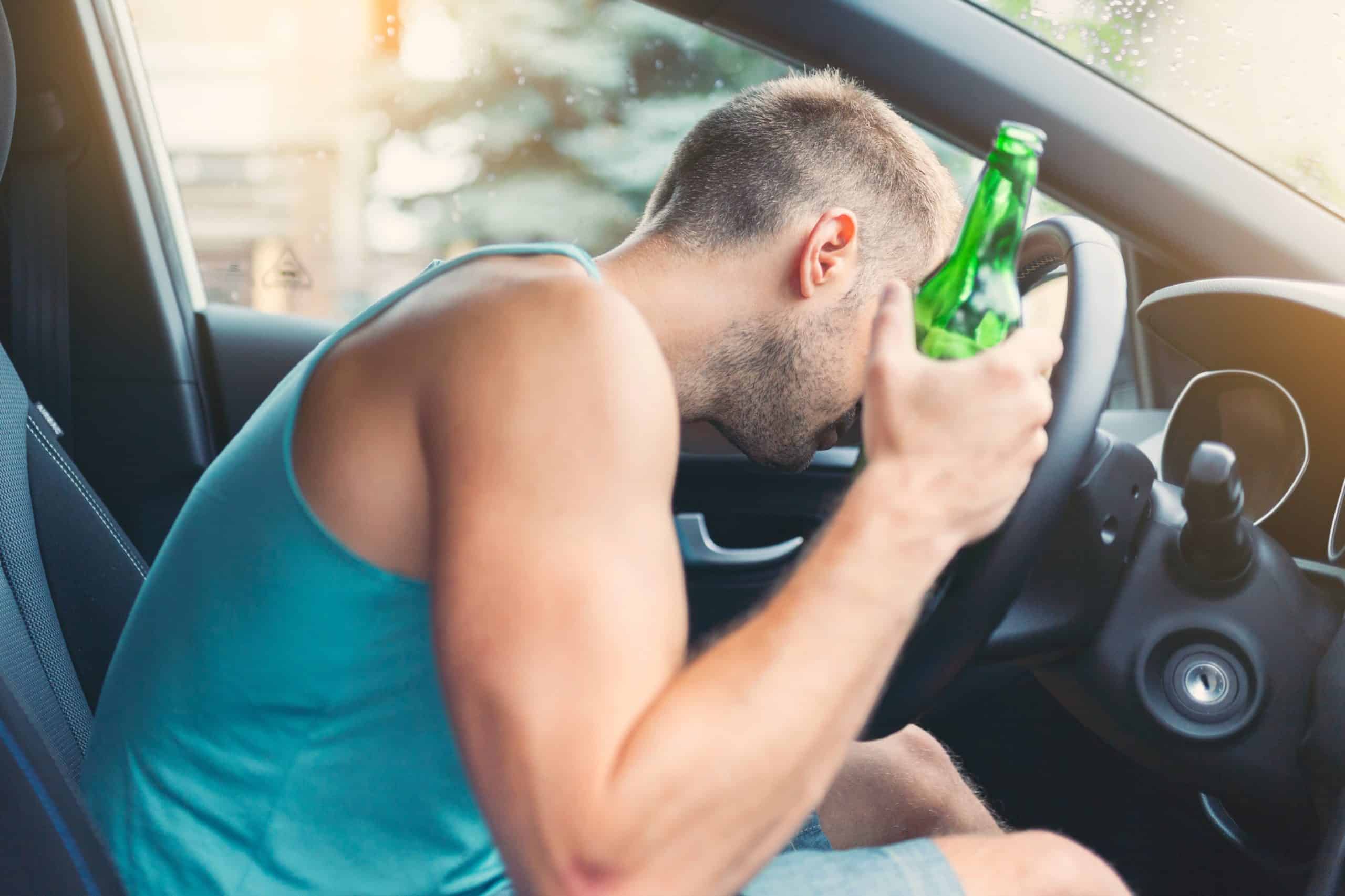
When a drunk driver causes a crash, most people assume the story ends with an arrest and a conviction. But in reality, that’s usually only half the picture.

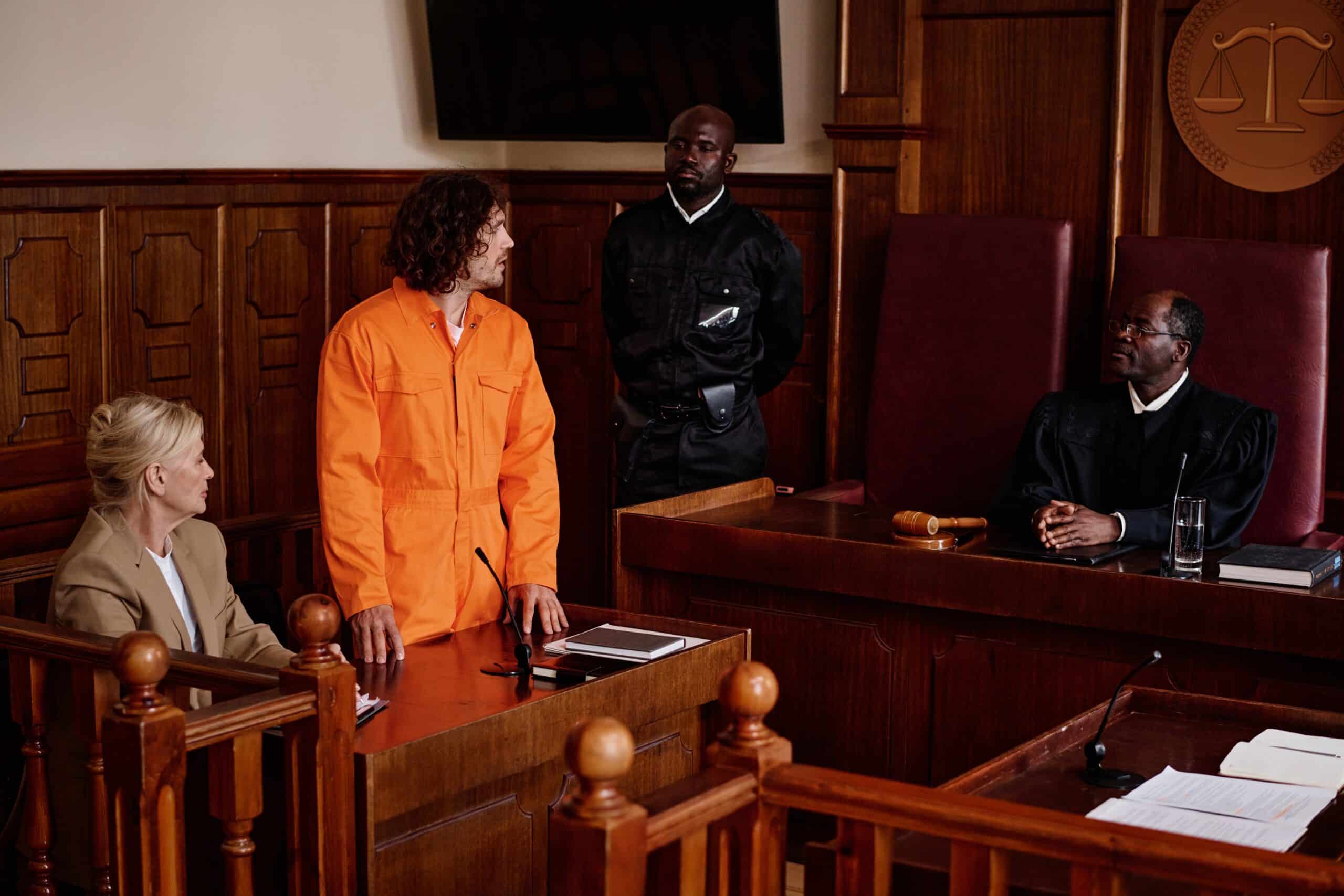
A DUI crash that leaves someone injured almost always kicks off two separate legal paths running side by side: a criminal case brought by the state against the driver, and a civil personal injury case brought by the person who got hurt. They share the same underlying facts, but they operate under completely different rules, timelines, and goals. Understanding how these two tracks interact can make a world of difference in how quickly and how fully an injured victim recovers.

What Criminal Charges Might Apply

The exact charges depend on local state laws and how severe the injuries are, but a DUI crash involving injuries quickly escalates past a standard drunk driving charge. Most states have enhanced offenses often referred to as aggravated DUI, DUI with injury, or vehicular assault that kick in when an impaired driver causes physical harm.

These upgraded charges carry much stiffer penalties than a typical DUI, including longer driver’s license suspensions, heavier fines, and mandatory jail or prison time in many jurisdictions. If a crash turns fatal, charges can jump to vehicular homicide or manslaughter.

For the driver, this is why bringing in criminal defense counsel early matters so much; the line between a standard DUI and an aggravated charge often hinges on how well the evidence like blood alcohol testing, accident reconstruction, and medical records is challenged. For the injured victim, the severity of those criminal charges offers a clear signal of just how egregious the conduct was, which directly influences how the civil claim gets valued.

Two Cases, Two Different Standards

The state drives the criminal case, not the victim. A prosecutor decides which charges to file, whether to offer a plea bargain, or if the case goes to trial. That leaves the injured person acting as a witness rather than someone who controls the outcome. To get a conviction, the state must prove guilt beyond a reasonable doubt, which is the highest legal standard in the justice system.

The civil case is a different story entirely. Here, the injured party decides whether to file, when to settle, or if they want to go to trial. On top of that, the standard of proof is much lower: a preponderance of the evidence. That simply means proving it’s more likely than not that the driver’s actions caused the injury.

This difference in standards is huge. It means a civil claim can keep moving forward and win even if the criminal case stalls out, gets pled down to a lesser charge, or if the prosecutor decides not to pursue maximum penalties.

What If No Criminal Charges Are Filed at All

There are times when a prosecutor chooses not to file DUI or vehicular assault charges at all, even after a crash that caused serious harm. Prosecutors make decisions based on available evidence, staff resources, and strict legal standards that don’t apply to civil claims.

A decision not to prosecute doesn’t close the door on an injured victim’s right to seek compensation. Because a civil lawsuit relies on the lower “more likely than not” standard and is controlled entirely by the victim, it can move forward independently. It uses the very same police reports, toxicology results, and witness statements a prosecutor would have relied on just measured against a completely different bar.

When the Criminal Case Helps the Civil One

When a criminal case does end in a conviction or a guilty plea, it becomes a powerful piece of evidence for the civil suit. Many states apply a legal rule known as negligence per se. Under this principle, if a driver broke a safety law designed to protect people like driving under the influence, blowing through a red light, or speeding, that violation alone can establish legal negligence without needing to re-fight every detail of how the crash happened.

A DUI conviction is one of the clearest examples of negligence per se you can find, and it instantly boosts both liability arguments and settlement leverage in the civil case. Since the exact application of negligence per se and the admissibility of criminal evidence vary by jurisdiction, it’s always smart to confirm the details with local counsel on both sides.

Different Clocks, Different Speeds

Criminal cases generally move fast. The arrest happens on the spot, an arraignment follows within days, and many DUI cases wrap up within six to twelve months.

Civil cases take their time. A seasoned injury lawyer won’t rush to settle a claim until the victim’s medical condition stabilizes and the long-term outlook is clear, simply because once a settlement agreement is signed, it’s final. Because of this, civil claims often take anywhere from twelve to twenty-four months, sometimes longer for catastrophic injuries and frequently outlast the criminal prosecution altogether.

What This Means for an Injured Victim

If you’ve been hurt in a DUI crash, keeping a few practical realities in mind will help protect your rights:

  • Don’t wait around for the criminal case to finish before starting your civil claim. The statute of limitations for personal injury runs on its own deadline, and critical evidence like skid marks, dashcam recordings, and witness memories fade fast.
  • Document every single medical visit. A personal injury case relies entirely on the paper trail linking the crash to your physical injuries; gaps in medical treatment are usually the first thing insurance adjusters target.
  • Assemble the right legal team early. Beyond hiring a personal injury lawyer, complex cases often benefit from an injury consultant to organize medical records, evaluate long-term financial impacts like future care or lost earning capacity, and present a complete picture to the insurance company instead of a ballpark estimate.
  • Keep the two proceedings separate in your mind. Serving as a cooperative witness for the prosecution is completely distinct from seeking financial recovery in your civil claim, and you have every right to pursue compensation no matter how the criminal side turns out.

The Bottom Line

A DUI crash rarely ends with just one legal outcome. The driver faces criminal consequences from the state, while the injured person holds an independent right to seek financial recovery. That civil right doesn’t depend on prosecutor decisions, plea deals, or even whether a criminal conviction happens at all. Recognizing this distinction early on is often what separates victims who receive full compensation from those who mistakenly assume the criminal justice system is their only recourse.

About the Author

Jason A. Harris is the founder of Harris Injury Law, PLLC, a personal injury and workers’ compensation firm based in Phoenix, Arizona, practicing since 2006. He is licensed by the State Bar of Arizona and is a member of the Arizona Association for Justice. As a Phoenix personal injury lawyer, Harris regularly handles complex third-party liability claims, including those arising from DUI and other negligence-related crashes
What Can Affect the Outcome of a DUI Case More Than You Think – Guest Post


DUI CASES

Late nights, long drives, and busy freeways are part of life in Los Angeles. With these come strict DUI laws. Every year, thousands of people are arrested for DUI in California, and many of those arrests happen in Los Angeles County. Officers are trained to notice even the smallest signs of impairment. It might sound simple, but it rarely is.

The outcome of a DUI case often depends on details that most people overlook. It is not usually the big facts, but the small moments that happen quickly at the roadside. What you say and what the officer does in those first minutes can make a big difference. That is why many people talk to a Los Angeles DUI lawyer right away. Small mistakes early on can lead to bigger issues later.

Field Sobriety Tests Are Not as Clear as They Seem

Field sobriety tests seem simple: walk in a straight line, stand on one leg, or follow a pen with your eyes. But these tests are not perfect. They depend on aspects like balance, coordination, and focus. Also, they can be affected by fatigue, nervousness, or uneven ground. Poor lighting, past injuries, or wearing high heels can also make it harder to keep your balance.

Roadside conditions in Los Angeles can be very different from one stop to another. One person might be stopped on a flat street, while another is on a sloped shoulder with cars speeding past. These differences can affect how someone does on the tests. Officers look for certain ‘clues,’ but those clues are not always caused by alcohol. Someone who is nervous might not do well even if they have not been drinking. These observations end up in the report and can make a difference.

Breath and Blood Testing Errors Happen More Often Than Expected

Test results are often not exact. Breath machines need regular calibration and maintenance. If this is not done properly, the results can be off. Even a small mistake can put someone over the legal limit of 0.08%. Timing is important too, as alcohol takes time to absorb into the body, so someone might test higher later than they did while driving. This is known as the ‘rising blood alcohol’ issue.

Blood tests also have risks. The samples must be stored and handled the right way. If not, fermentation can happen, which can increase the alcohol level in the sample. These are not just rare technical issues—they happen often and can affect how strong the case appears.

Officer Conduct Can Shift the Direction of a Case

The way a traffic stop is handled is important. Was there a good reason to pull the driver over? Did the officer follow the right steps? Were the instructions during testing clear? If any part of this process is not done correctly, it can affect what evidence is allowed in court.

For example, if instructions during a field test are not clear, someone might not do well. That poor performance could be used as evidence of impairment. But if the instructions were confusing, it makes the test less reliable. Body camera footage is often important in these cases. It can show how both the officer and the driver acted and spoke. Sometimes, the video tells a different story than what gets written in the report.

The Timing of Everything Can Change the Narrative

Timing plays a bigger role than most expect.

How long after driving did the test occur?

Was there a delay?

What happened during that gap?

Alcohol levels in the body change over time. Someone could be under the legal limit while driving, but over it by the time they are tested. This time gap can raise questions about what their level was when they were actually driving. Even when and what someone eats matters. Eating before drinking slows down alcohol absorption, while drinking on an empty stomach speeds it up. These details might seem minor, but they can change how the whole case is seen.

Final Thought

A DUI stop might only take a few minutes, but its effects can last a long time. What happens during those moments—like the tests, the timing, what is said, and the conditions—matters more than most people realize.

Whether someone had a drink is only one aspect that is important. Factors such as how every detail is recorded, tested, and later interpreted become vital. In Los Angeles, where cases move quickly and enforcement is strict, these details can make all the difference.

DOES AN IGNITION INTERLOCK DEVICE AFFECT MY MISSOURI DUI CASE?


DUI CASE

What Is an Ignition Interlock Device and How Does It Affect My Missouri DUI Case?

If you’ve been arrested for DUI/DWI in Missouri, one of the conditions for keeping or regaining your driver’s license may be installing an Ignition Interlock Device (IID) in your vehicle.

This small device has a big impact, it can mean the difference between being able to drive and being stuck on the sidelines for months or years.

At KC Defense Counsel, our experienced Missouri DUI and DWI defense lawyers in Kansas City help clients navigate Missouri’s DUI laws, including the IID requirement, so they can get back on the road legally and quickly.

WHAT IS AN IGNITION INTERLOCK DEVICE?

An Ignition Interlock Device, or IID, is a breath-testing unit installed in your car that prevents the engine from starting if it detects alcohol on your breath.

Here’s how it works:

Before starting your car: You must blow into the device. If your BAC is above the preset limit (usually 0.025%), the engine won’t start.

Rolling retests: While driving, you may be prompted to blow into the device again to ensure you haven’t consumed alcohol after starting the car.

Data recording: The IID logs every test, pass/fail result, and any attempt to tamper with the system. This data is reported to the Missouri Department of Revenue and sometimes the court.

WHEN IS AN IDD REQUIRED IN MISSOURI?

Missouri law may require an IID for:

  • First-time DUI offenders seeking Limited Driving Privileges (LDP) during suspension
  • Refusal cases (refusing a breath/blood test) when applying for LDP
  • Repeat DUI offenders
  • High BAC offenders (0.15% or above)
  • Cases where the court orders IID as a condition of probation

The length of the IID requirement depends on your offense and history, anywhere from 6 months to several years.

HOW LONG WILL HAVE TO USE AN IID?

Typical timelines:

First Offense DUI/DWI: 6 months to 1 year

Refusal or Repeat Offenses: 1 to 2 years (sometimes longer)

Serious Cases: Can extend up to 5 years in rare situations

HOW MUCH DOES AN IDD COST AND DOES THE STATE OF MISSOURI PAY FOR IT?

Unfortunately, the costs are entirely your responsibility and usually include:

  • Installation fee ($75–$150)
  • Monthly rental fee ($60–$90)
  • Calibration and maintenance costs

Over a year, IID costs can add up to $1,000 or more — one of the many reasons fighting a DUI charge early is so important.

WHAT HAPPENS IF YOU VIOLATE IID RULES IN MISSOURI?

Violations can include:

  • Attempting to start your car after drinking
  • Missing rolling retests
  • Tampering with the device
  • Failing to report for scheduled calibration

Penalties for violations can include:

  • Extension of your IID period
  • License suspension or revocation
  • Probation violations and possible jail time

HOW AN EXPERIENCED KANSAS CITY DUI/DWI ATTORNEY CAN HELP

If you’re facing DUI/DWI charges in Missouri, call KC Defense Counsel immediately. Our skilled and affordable Kansas City DUI lawyers can:

  • Fight to avoid an IID requirement altogether by challenging your DUI case
  • Help you apply for Limited Driving Privileges as soon as possible
  • Guide you through compliance so you don’t risk losing your driving rights
  • Defend you against alleged IID violations

CALL KC DEFENSE COUNSEL AND LET US BEGIN BUILDING YOUR DEFENSE

An IID may be better than not driving at all, but it’s still expensive, restrictive, and embarrassing. With the right defense strategy, you may be able to avoid it entirely.

If you’re facing criminal DUI charges in Missouri, don’t leave your future to chance. The stakes are too high and the legal system too complex — to navigate alone. An experienced Kansas City criminal defense attorney can mean the difference between a conviction and a second chance.

At KC Defense Counsel, we bring the knowledge, strategy, and relentless advocacy you need to protect your rights and your freedom.

Contact us today for a free case evaluation and put a proven legal team on your side.

Cities we serve: Adrian, Archie, Bates City, Belton, Blue Springs, Buckner, Butler, Cameron, Claycomo, Cleveland,  Drexel, Fairview,  Ferrelview,  Gladstone, Grain Valley, Grandview, Greenwood, Houston Lake, Independence, Kansas City Missouri, Kearney, , Knob Noster, Lake Lotawana, Lake Tapawingo, Lake Waukomis, Lake Winnebago, Lawson, Lee’s Summit, Liberty, North Kansas City, Oak Grove, Oakview,  Parkville, Peculiar,, Platte City, Platte Woods, Plattsburg, Pleasant Hill,  Raymore, Raytown, Riverside, Smithville, Sugar Creek, Tracy,  Warrensberg, Weatherby Lake, and Weston.

Statewide: Missouri State Highway Patrol and Sheriff Counties we serve: Bates County, Cass County, Clay County, Jackson County, Platte County, Ray County.

Contact our experienced Kansas City criminal defense lawyers near me in Missouri and let us help begin building your defense. Let us help.

Disclaimer: This page is for informational purposes only and does not create an attorney-client relationship. Always consult qualified counsel regarding your unique situation.

What Is the Average Settlement for A Drunk Driver Case? – Guest Post


Drunk Driver Case

Accidents caused by drunk drivers are not just statistics; they are actual tragedies that have a huge impact on many lives. Such accidents can leave victims dealing with injuries, property damage, medical bills, lost wages, and emotional distress, which can make recovery from them incredibly difficult. A fair settlement is frequently a lifeline for victims, but due to the complexity of these cases, figuring out the typical settlement is a difficult task.

The sheer complexity of these cases defies simple classification, even though an “average” settlement in drunk driving accident cases may be intriguing. Each case has its own set of factors, difficulties, and emotions, making it as unique as the people involved. Securing a settlement that fairly compensates victims for their injuries, losses, and suffering is crucial in a drunk driving accident.

The Role of Legal Counsel in Drunk Driving Accident Settlements

Average settlement for DWI case caused by drunk drivers is crucially dependent on legal counsel. Lawyers are more than just legal professionals; they are also defenders, mediators, investigators, and sources of emotional support. Making sure their client’s rights are upheld and they receive the just compensation is their main duty. Lawyers assist in navigating the complex web of:

  • Liability
  • Insurance claims
  • Medical expenses
  • Legal processes

 Their knowledge of the nuances of the legal system, insurance policies, and the strategies used by insurance companies makes them frequently the key to obtaining a fair settlement.

Challenges in Determining an Average Settlement

Determining an average settlement amount is difficult due to the complexity of settlements for drunk driving accidents. Because every case is different, there can be a wide range of factors at play. Different insurance policies, attorneys, and juries can result in dramatically different settlement amounts, even in cases with comparable injuries and circumstances. In these situations, there is not a single, universal solution.

Beyond just physical harm, drunk driving accidents frequently result in emotional and psychological trauma. These subjective emotional factors can have a big impact on the settlement. It can be difficult to put a dollar value on suffering, fear, post-traumatic stress, and other emotional effects.

The Factors Affecting Settlements for Drunk Driving Accidents

Injury Amount

The severity of the injuries is a key factor in determining the settlement sum. While severe injuries with long-term effects frequently result in significantly higher compensation, minor injuries may yield a lower settlement.

Medical Costs

Exorbitant medical expenses may be incurred in treating injuries sustained in a drunk driving accident. The settlement amount for these costs should be higher the more extensive the medical bills.

Property Damage

Settlements take into account property damage to vehicles and personal property in addition to injuries. If the accident causes significant damage, it will be taken into account when determining the award.

Lost Wages

Due to time away from work, injuries sustained in a drunk driving accident frequently result in lost wages. An important factor in determining the settlement amount is the amount of lost income.

Suffering and Pain

A drunk driving accident takes a heavy emotional and psychological toll. Despite being difficult to measure, pain and suffering are taken into account when calculating the settlement. The settlement amount may be higher the more severe the emotional impact.

Fault and Liability

It is crucial to determine who was at fault for the accident. The settlement may be higher if it is obvious that the drunk driver was solely to blame. The settlement amount may be modified in cases of shared liability.

Insurance Policy Limits

There are coverage limits in insurance policies that set a maximum amount that can be claimed. The potential settlement amount may be constrained if the drunk driver only has minimal insurance coverage.

Several Parties

Accidents involving drunk driving occasionally involve multiple parties, which complicates liability issues and settlement negotiations. The final settlement may vary depending on the number of parties involved and their insurance policies.

Pre-Existing Conditions

The evaluation of injuries and associated medical costs can be made more difficult by pre-existing medical conditions. A knowledgeable lawyer can assist in separating injuries related to the accident from those linked to pre-existing conditions.

Negotiation Techniques

The victim’s lawyer’s negotiation skills can have a significant impact on the Average settlement for DWI case. Attorneys with experience know how to fight for their clients’ rights and obtain the best result.

Future healthcare expenses

Future medical costs must be taken into account in cases involving long-term or permanent injuries. In order to estimate these future costs and factor them into the settlement amount, legal counsel consults with medical experts.

Why You Should Never Self-Represent In a DUI Case – Guest Post


Self-Represent In a DUI Case

Getting a DUI charge can have a significant impact on your life. A conviction can lead to jail time, hefty fines, license suspension, and other unpleasant consequences. If you’re facing a DUI charge, it might be tempting to represent yourself in court to save money. However, this can be a grave mistake that could cost you more in the long run. In this article, we’ll explore the risks of self-representation in a DUI case and why it’s always better to hire a DUI defense lawyer.

Lack of Legal Knowledge and Expertise

The DUI law is complicated and varies from state to state. If you’re not a lawyer, you might not have the legal knowledge and expertise to navigate the legal system. A DUI attorney understands the law, both the state and federal laws and has the experience to help defend your charges. They know what to look for to challenge the laws in terms of evidence, potential defenses, and how to negotiate with prosecutors.

Emotional Attachment to the Case

If you represent yourself, you might be emotionally attached to the case, making it challenging to see the bigger picture. A DUI attorney is objective and able to see what aspects of the punishment can be worked on to achieve the best outcome for you. They can look at your case from different angles to come up with the best defense strategy and also provide emotional support, advice, and guidance during this stressful time. Additionally, a DUI defense lawyer can protect your rights, ensuring that law enforcement doesn’t violate them while gathering evidence.

Potential Mistakes and Errors

If you represent yourself, you might make mistakes and errors that could hurt your chances of getting a favorable outcome. For example, you may overlook crucial evidence, misinterpret the law, or fail to meet deadlines. A DUI attorney has the attention to detail and knowledge of procedural rules to ensure that your case goes smoothly. Hiring a DUI defense lawyer can help you avoid costly mistakes and provide you with the best fighting chance.

Prosecutors and Judges

DUI cases can be challenging to negotiate, particularly with the prosecutor or judge. When you engage a DUI attorney, you delegate the task of dealing with these parties to them. They know how to communicate with prosecutors and judges, building a persuasive case in your favor. Using their experience and negotiating skills, they can explore plea deals, dismissals, or reduced charges.

Saving you money and time

Finally, hiring a DUI defense lawyer can save you money and time in the long run. An experienced attorney is used to handling DUI cases, so they know what to expect, how to prepare, and can reasonably predict the outcome of your case. They can help you avoid fees, fines, and even jail time. Additionally, they can minimize the time spent on your case, ensuring a speedy resolution and allowing you to move on with your life.

In conclusion, if you’re facing a DUI charge, it is never advisable to self-represent your case. Hiring an attorney is crucial to getting the best possible outcome. They can help you navigate the legal system, provide support, and guide you through the entire process. A DUI defense lawyer can help you save money and time, avoid costly mistakes, and protect your rights. Don’t hesitate to seek the services of a qualified lawyer to help you through this challenging time.