
Steps to Take After a Car Accident to Protect Your Legal Rights
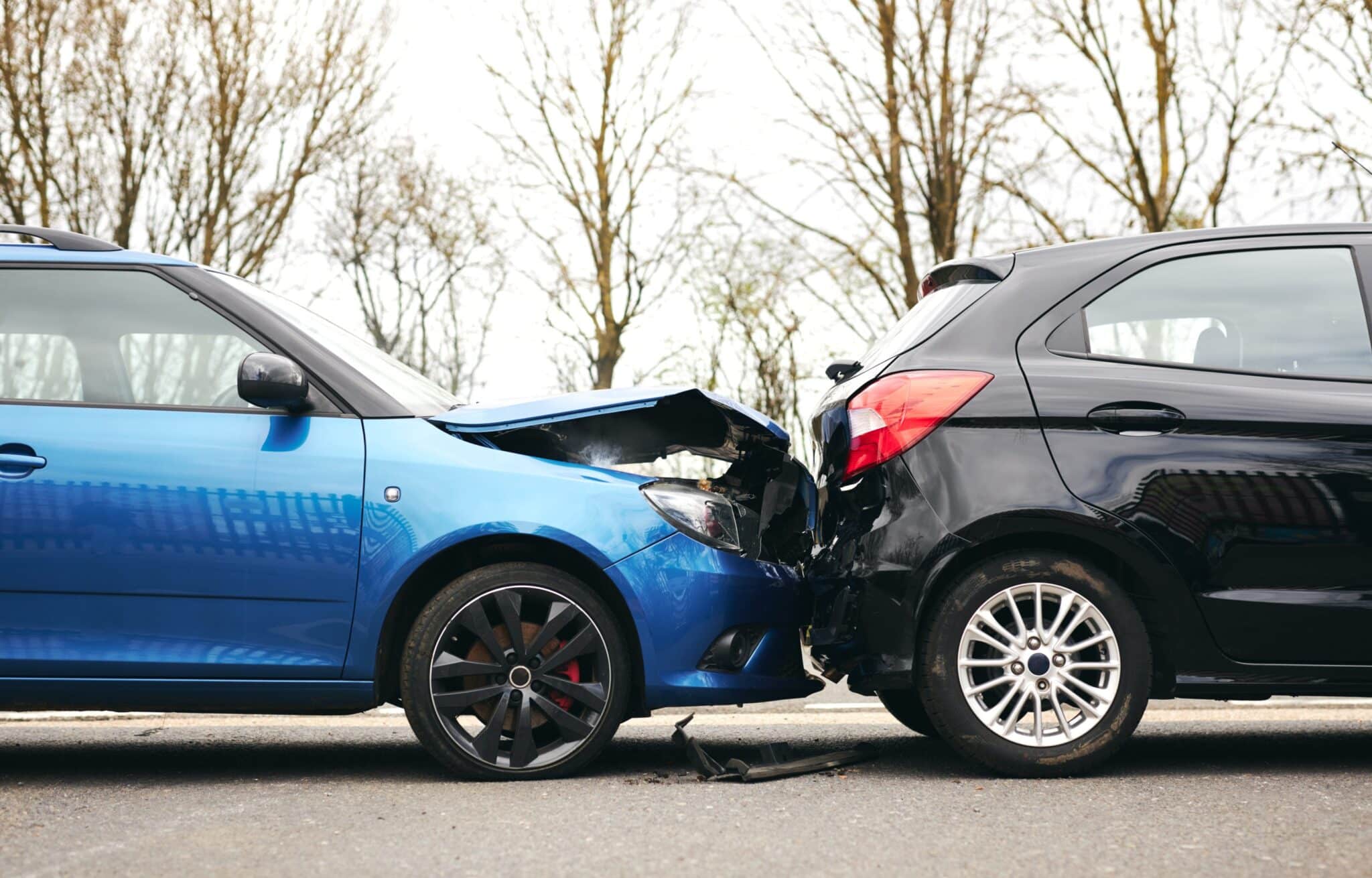
Car accidents can be very scary and also very upsetting. If you have been injured in a car accident, the last thing you might be thinking about is whether or not you need to secure a lawyer. Many people don’t ever consider getting a lawyer right away after their accident, but the more time that you waste, the harder it is to capture all the important information necessary to secure the compensation you deserve after your accident.
Hire an accident attorney in Frisco, TX, to ensure that you are able to get a settlement award that will help you get back on your feet after your car accident. Even if you have not suffered injuries in the accident, you almost certainly have other bills to pay, and you might need to replace your vehicle. A legal team working on your case can make all the difference when dealing with insurance companies after an accident.
Let’s look at the steps that you need to take to protect your legal rights if you have been in a car accident in the state of Texas.
The Steps That You Need to Take After a Car Accident to Protect Your Legal Rights
You need to be aware that you will have two years to file a claim after your accident in the state of Texas. You should not wait this long, however. Many details from witnesses can be lost even weeks after the accident. You should also be sure that you track expenses, collect as much information as you can right away, and never admit fault at any time after the accident.
Be sure that you always take care of injured parties or yourself above all else after an accident. You should have your health and safety in order before you take any of the rest of these steps. Fighting about the accident with other people in the middle of the road is never a good idea and can cause secondary accidents.
1. Move to the Side of the Road
If you are able to drive your car, move your vehicle to the side of the road out of the flow of traffic. Be sure to pay attention to your surroundings and take care to get out of the car right into other vehicles. If the other parties involved in the accident are able to move off to the side of the road, you should encourage them to do so as well. Getting everyone to safety is important unless they are too injured to move or are trapped in the vehicle.
2. Call 911 or call the Police
If you have been hurt or someone in your vehicle has been hurt, you need to call 911 at the scene to secure medical help without delay. If you have not been hurt, you should still call the police to the scene of the accident. The police will collect witness testimony and other critical information and summarize their findings in their report. This report can mean the difference between getting fair compensation and struggling to get a settlement after an accident.
https://www.pexels.com/photo/nighttime-car-accident-in-berlin-street-35784044/
3. Exchange Details
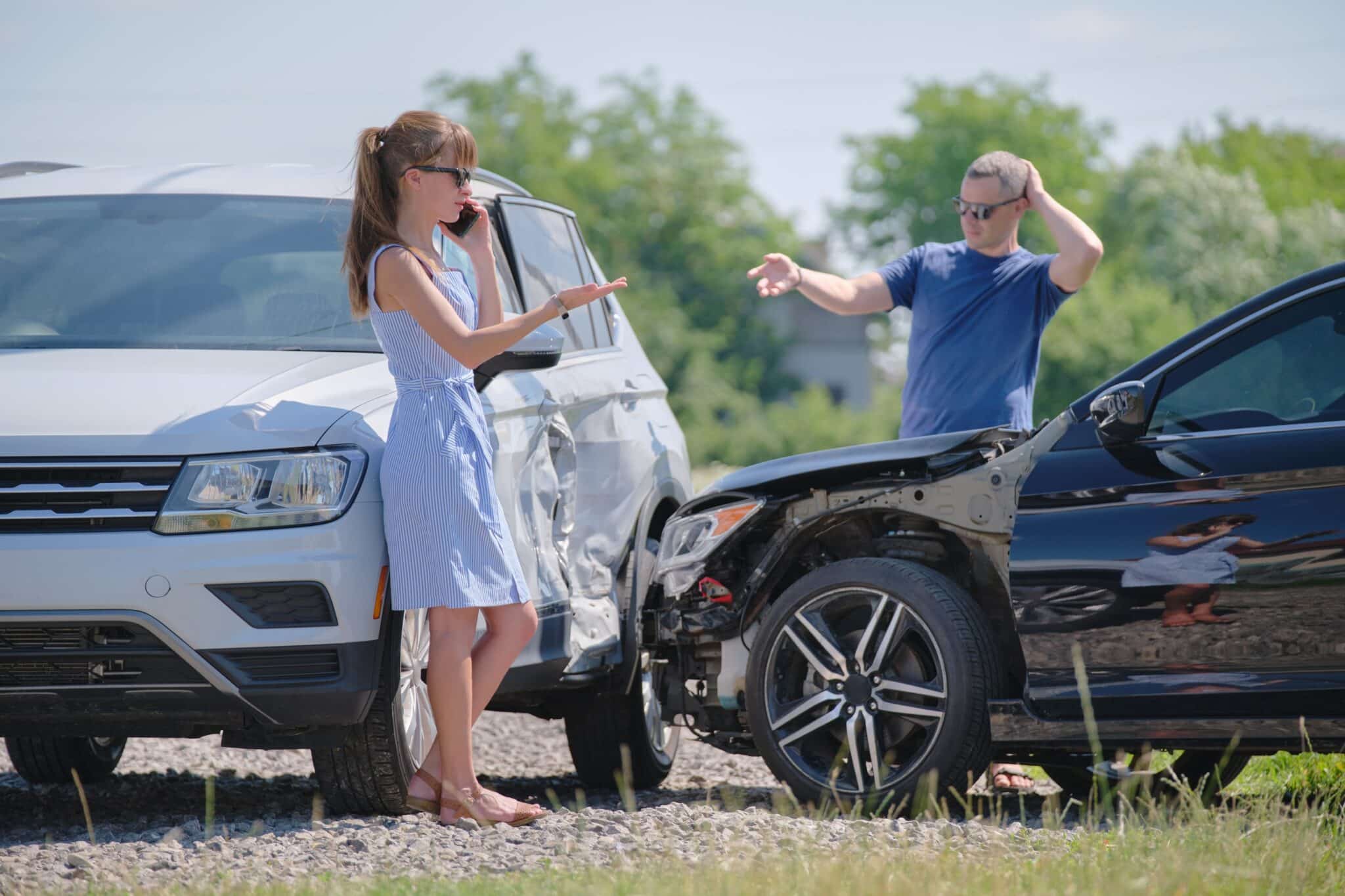
If you are not involved in a hit-and-run, be sure that you get the insurance information, contact information, and name and address of the person or people who were involved in the accident. This is an important step to make sure that you can file an insurance claim with accurate information in it. A lack of information in a claim can delay every part of the process of seeking a settlement.
4. Gather the Evidence You Can
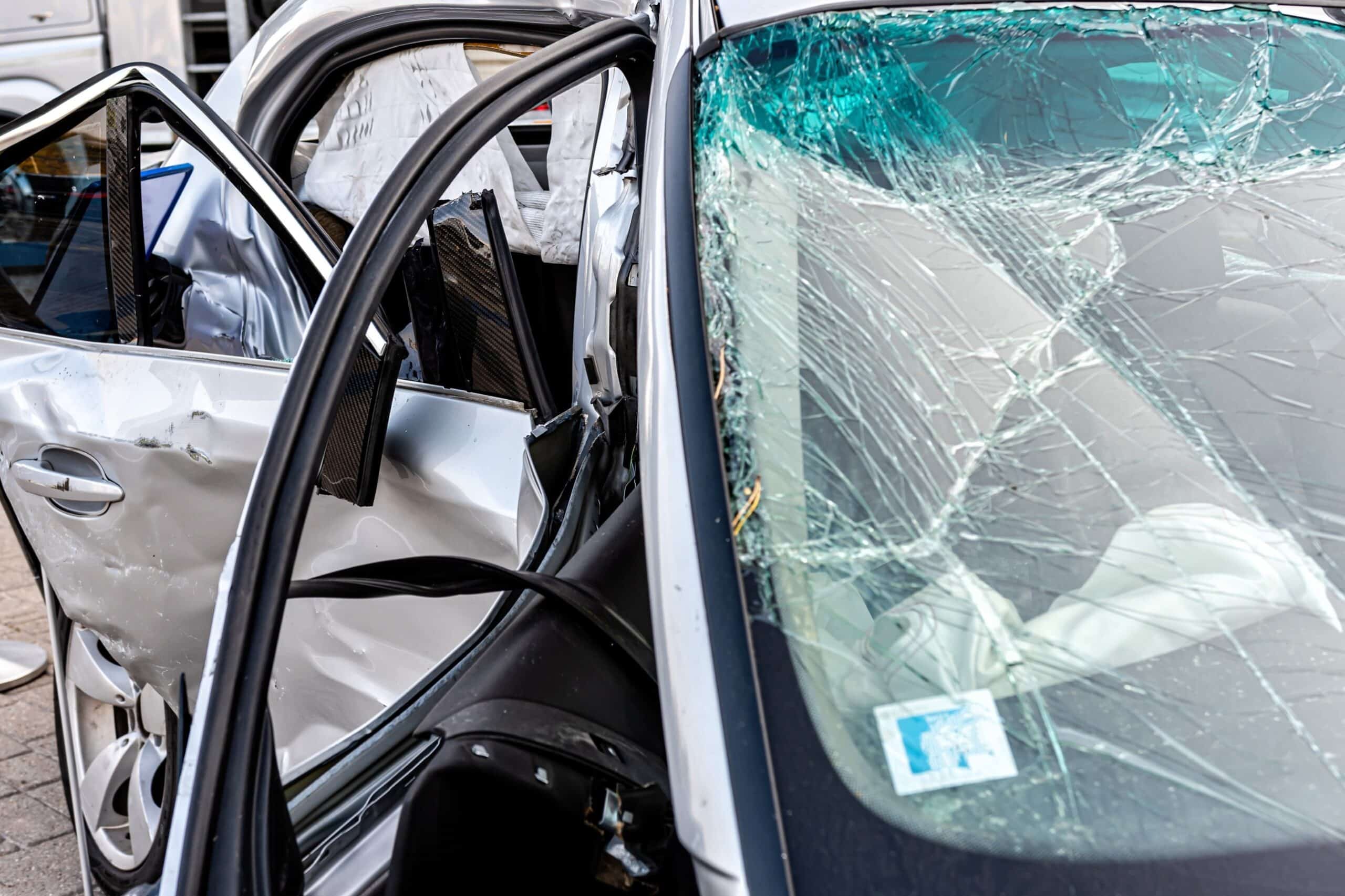
If you are able to take pictures of your car, the other car or cars involved in the accident, and the area where the accident took place, you should do so. Be sure that you also take pictures of skid marks, road signs, injuries, and damage to your car. This information can help you to prove the details of the accident in ways that verbal accounts alone cannot.
5. Notify Your Insurance
Call your insurance company and let them know that you were involved in an accident. Provide them with all the information that you have gathered. They will open a claim for you, and they will begin to collect the information that will help them determine the outcome of the settlement or payout for the claim.
6. Call Your Lawyer
If you have never needed to work with a lawyer, be sure that you find a legal office that specializes in car accidents. You will want to have a legal expert involved from the start so that important details of the case are not left out. Your lawyer can also take the pressure off you and your family as you are trying to recover from the accident. You have more important concerns than having to fight with insurance companies. Your legal team will handle these stressful aspects of your case and ensure that you are well-represented from the very beginning.
https://www.pexels.com/photo/lawyers-posing-for-a-photo-4427431/
Protect Your Legal Rights by Taking These Steps
Being in a car accident is stressful enough without giving up your ability to secure compensation for your accident. You might have received costly medical care, suffered severe damage to personal property, or been unable to work after your accident. A lawyer can help you to seek compensation and a settlement that will allow you and your family to get back on your feet. Don’t give away the opportunity to protect your legal rights after your car accident by waiting for months to open a claim or failing to secure legal counsel.
The state of Texas has timelines that you have to follow when it comes to filing a claim after your accident. You need to stick to these timelines, be sure not to admit fault, and contact a lawyer as soon as possible if you have been in a car accident. Even small accidents can be stressful and costly, and you shouldn’t be afraid to contact a lawyer if you feel that you need one.







Recent Comments