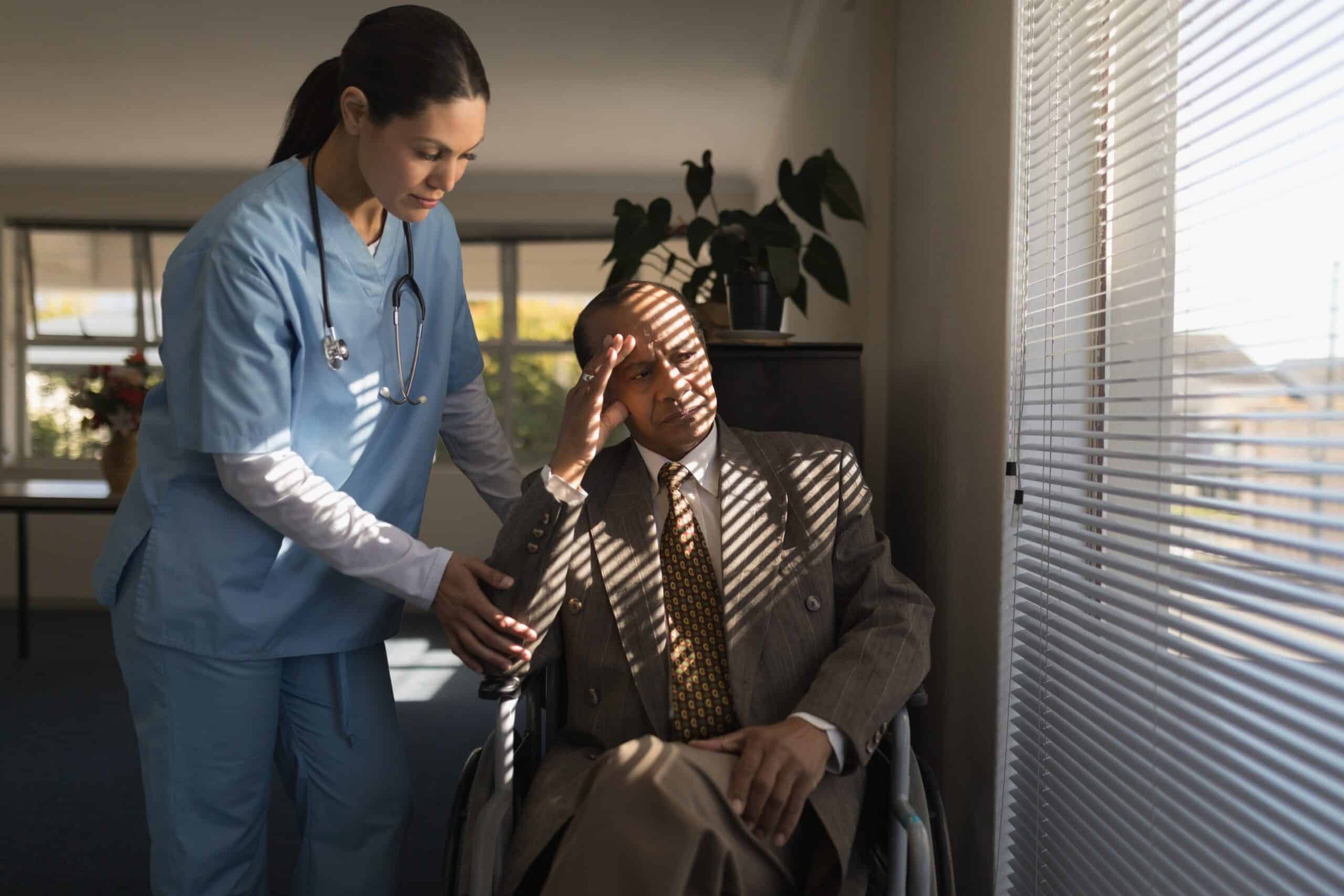
Ensuring the health and safety of elderly family members in nursing homes is a priority for many. Sadly, nursing home abuse is a real concern that affects vulnerable individuals who often cannot speak out or defend themselves.
Identifying and addressing abuse is critical to protecting loved ones from harm. In Missouri, understanding the signs of abuse, how to report it, and what legal options are available can help families take swift and effective action. This guide will help you recognize nursing home abuse, report it properly, and explore the necessary steps to protect residents’ rights.
Recognizing Nursing Home Abuse
Nursing home abuse takes different forms, from physical and emotional harm to neglect or financial exploitation. It’s important to know the signs to act promptly. The following are the common types of abuse that occur in nursing homes, along with their warning indicators:
Physical abuse
Physical abuse involves intentional harm to a resident, including hitting, shoving, or improper use of restraints. Signs of physical abuse may include:
- Unexplained bruises, cuts, or burns
- Fractures or sprains that don’t match the explanation given
- Marks from restraints on wrists or ankles
- Fearfulness or flinching when certain staff members are near
Emotional or psychological abuse
Emotional or psychological abuse can be harder to detect but is equally damaging. It includes verbal insults, humiliation, intimidation, or isolation. Indicators of emotional abuse include:
- Sudden withdrawal from social interactions
- Depression, anxiety, or fear
- Unusual behavior like rocking, mumbling, or self-harm
- A resident being overly agitated or distressed when a particular caregiver is around
Sexual abuse
Sexual abuse of residents is a grave concern and includes any non-consensual sexual contact. Warning signs may include:
- Bruising around the genitals or inner thighs
- Sudden behavioral changes, such as fear or withdrawal
- Torn, stained, or bloody undergarments
- Diagnosis of sexually transmitted infections (STIs)
Neglect
Neglect occurs when caregivers fail to meet the resident’s basic needs, such as food, water, hygiene, or medical care. Signs of neglect may include:
- Malnutrition or dehydration
- Poor personal hygiene, unwashed clothing, or soiled bedding
- Bedsores (also known as pressure ulcers)
- Infections or repeated illnesses due to lack of medical care
Financial exploitation
Some caregivers or staff may take advantage of a resident’s financial situation by stealing money, manipulating wills, or exploiting personal assets. Signs of financial exploitation can include:
- Unexplained withdrawals from bank accounts
- Inexplicable changes in a will or power of attorney
- Missing possessions or valuable items
- A resident being unusually secretive or anxious about finances
How To Report Nursing Home Abuse in Missouri
If you suspect abuse, it’s important to report it immediately to ensure the resident’s safety. Missouri provides several options for reporting nursing home abuse, allowing families to take immediate action. Here’s how you can go about it:
Missouri Department of Health and Senior Services
The Health and Senior Services (DHSS) oversees nursing homes in Missouri. You can report suspected abuse or neglect through their Senior Services Abuse Hotline at 1-800-392-0210. This hotline is available 24 hours a day, and you can remain anonymous if preferred. Additionally, you can submit a complaint online via the DHSS website.
Local law enforcement
When you suspect immediate danger or criminal activity, contact your local police department or sheriff’s office. Law enforcement will investigate the allegations, and in cases of serious harm, criminal charges may be filed against the abuser.
Long-Term Care Ombudsman
Missouri also has a Long-Term Care Ombudsman program to protect nursing home residents’ rights. If you’re uncomfortable going through the facility’s administration, an ombudsperson can help mediate issues or investigate abuse claims. Ombudsmen’s services are confidential and free of charge.
Facility administration
Suppose you’re confident the nursing home administration will act in the resident’s best interest. In that case, you can also file a formal complaint directly with the facility. They are legally required to investigate and resolve the issue. However, this is not always the best course of action if the abuse is severe or ongoing.
Legal Steps To Take After Reporting Abuse
Reporting abuse is just the first step in addressing the situation. Families must also explore legal avenues to protect elderly loved ones and hold the responsible parties accountable. Here are some legal steps to consider after reporting nursing home abuse in Missouri:
1. Seek legal representation
Navigating nursing home abuse cases can be complex, which is why working with a legal professional is critical. An attorney experienced in elder abuse and personal injury law can investigate claims, gather evidence, and determine whether the abuse was a result of negligence or intentional harm. Furthermore, if a criminal case is pursued, the investigation process will be similar to other criminal defense cases, requiring meticulous attention to detail and evidence collection, including medical records, eyewitness accounts, and expert testimony.
Legal professionals can also help guide families through the civil process of filing a lawsuit against the nursing home or individual caregivers responsible for the abuse. In some cases, compensation for pain, suffering, medical expenses, and punitive damages may be sought.
2. File a civil lawsuit
Filing a civil lawsuit allows families to seek justice through the legal system. This type of lawsuit is often filed against the nursing home or its staff. It can result in monetary compensation for the victim’s healthcare expenses, pain and suffering, and other damages. If you’re considering this route, consult a legal professional with experience handling nursing home abuse cases in Missouri.
If you need more specific information about legal recourse and resources, consult a nursing home abuse lawyer.
3. Criminal charges
In more severe cases of abuse, criminal charges may be filed against the abuser. Missouri law treats elder abuse seriously, and if evidence proves that intentional harm or neglect occurred, the responsible party may face jail time, fines, or other penalties. A lawyer with experience in criminal defense can assist families in understanding how criminal cases develop, ensuring all legal options are considered.
Preventing Further Abuse
In addition to reporting the abuse and taking legal action, it’s important to ensure that the nursing home takes steps to prevent further harm. That might involve relocating your loved one to a different facility or working with legal advocates to demand improved conditions and oversight in the nursing home.
Keeping an open line of communication with your loved one and regularly visiting can also help you monitor their condition and detect early signs of abuse. Don’t hesitate to take action if you suspect something is wrong; vigilance is key to protecting vulnerable residents from harm.
Legal Protections for Nursing Home Abuse Victims
Nursing home abuse is deeply disturbing, but recognizing the signs and knowing how to report it can make all the difference. Missouri offers several avenues for reporting abuse, from hotlines to law enforcement, allowing families to act quickly and protect their loved ones.
Additionally, legal action, whether through civil lawsuits or criminal charges, can hold abusers accountable and prevent future harm. If you think nursing home abuse is happening, reach out to professionals who can help investigate and guide you through the legal process, ensuring justice and safety for those who need it most.

Recent Comments