
Looking for finds may be influenced by a number of factors, including the case angle,…
Why Dog Bite Claims Often Involve More Than One Responsible Party
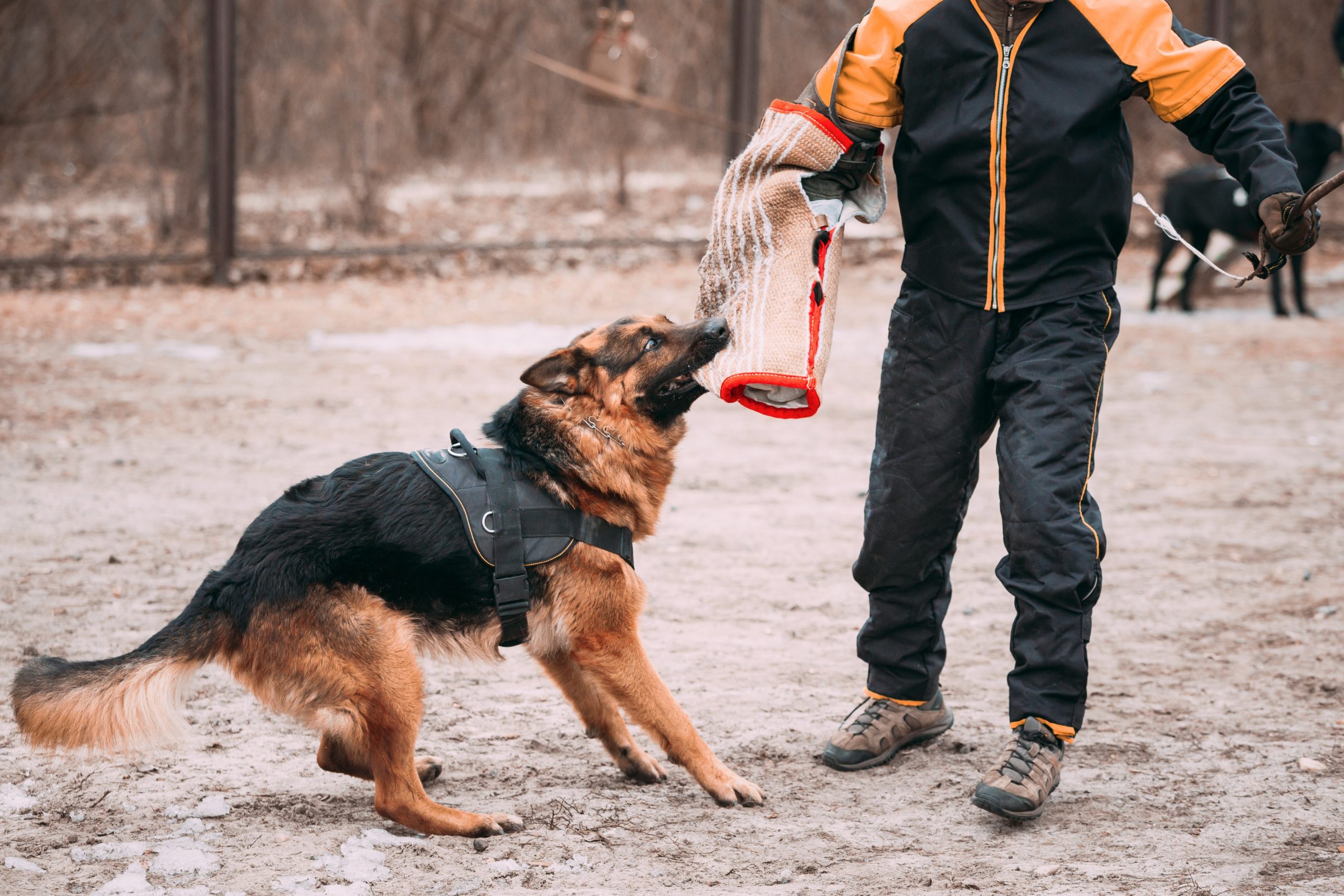
Texas communities bring people and pets together in homes, apartment complexes, businesses, parks, and shared public spaces, which can make responsibility after a dog attack more complicated than it first appears. When an injury occurs, the person who owned the animal may not be the only one whose decisions contributed to the danger. Someone else may have been handling the dog, managing the property, supervising a business, or responsible for a condition that enabled the encounter.
Understanding those relationships is important because identifying every potentially responsible party can affect how a claim is evaluated and what sources of compensation may be available. For victims seeking to understand those issues, a Texas Law Dog Arlington dog bite attorney can examine the circumstances and help identify the legal paths available.
Shared Fault Can Change a Claim
After a bite, early facts often point in several directions. The animal’s history, the handler’s choices, and the setting may all matter. Guidance from a dog bite attorney can help clarify how prior aggression, leash control, witness accounts, and insurance coverage may affect an Arlington claim after a painful injury.
The Dog Owner
The owner usually receives the closest review. Texas claims often ask whether the person knew or should have known about the aggressive conduct. Earlier bites, lunging, snarling, fence escapes, or neighbor complaints may carry weight. A poor leash, loose collar, or ignored warning can also matter. Fault often turns on whether reasonable care would have prevented contact.
A Handler or Caretaker
Responsibility may shift if someone else controlled the animal during the attack. A dog walker, sitter, groomer, kennel employee, friend, or relative may have had custody. If that person ignored instructions, used weak restraint, or brought the animal into a risky setting, liability can expand. The person holding the leash often has the last clear chance to stop harm.
Landlords and Property Managers
A landlord is not automatically responsible for a tenant’s dog. Still, certain facts can create legal exposure. Written complaints, lease breaches, broken gates, or repeated reports about an aggressive animal may be important. Property managers can face questions when shared areas remain unsafe. Courtyards, hallways, stairwells, and parking areas require attention once a known hazard appears.
Businesses Open to Guests
Businesses that allow dogs on site may share responsibility after an attack. Stores, restaurants, offices, and service providers invite guests into controlled spaces. Staff may need to act if an animal growls, blocks a walkway, or lunges near customers.
Unsafe Premises Can Add Fault
Some attacks involve property defects as well as animal behavior. A broken latch, low fence, missing warning sign, or open gate can place another party in the case. Poor lighting may affect how witnesses saw the event. Premises evidence matters because injury law asks whether a hazard was known, visible, and reasonably preventable before someone got hurt.
Insurance May Involve Several Policies
Multiple responsible parties can mean multiple insurance policies. Homeowner, renter, commercial, and umbrella coverage may apply, depending on location and control. Coverage becomes harder to sort when the bite occurs away from the owner’s residence. Some policies exclude certain breeds or business activities. Early policy review can protect claims for medical bills, wage loss, scar care, and counseling.
Evidence Should Be Preserved Early
Dog bite evidence can disappear fast. Witnesses relocate, surveillance footage gets erased, and online posts may vanish. Photos of wounds, clothing, fences, leashes, warning signs, and the scene can preserve key details. Medical records connect the attack to treatment, infection risk, and tissue damage. Reports to animal control may document breed, ownership, location, and prior complaints.
Comparative Fault Questions
Texas law may examine the injured person’s conduct, too. A defense might allege provocation, trespass, teasing, or ignored warnings. Those claims require proof, not guesswork. The central issue is whether each person acted reasonably under the circumstances. Clear timelines, neutral witnesses, and consistent medical records help separate fair responsibility from speculation.
Damages Can Reach Beyond the Bite
A dog attack can cause puncture wounds, crushed tissue, nerve injury, infection, and permanent scars. Children may need later scar revision, therapy, or treatment for fear of animals. Adults may miss work or avoid public places. When several parties contributed to the incident, each role may affect payment for medical care, pain, lost income, and future needs.
Conclusion
Dog bite claims often involve more than one responsible party because prevention may depend on several people. An owner, handler, landlord, business, or property manager may share fault when warnings, control, or safety duties were mishandled. Careful review of evidence helps identify every valid source of recovery. For injured families, that broader approach can support medical treatment, financial stability, and a fair result under Texas law.