
Getting video from a bank that would help prove my case ? i need to…
What to Do When a Criminal Case Already Includes Video
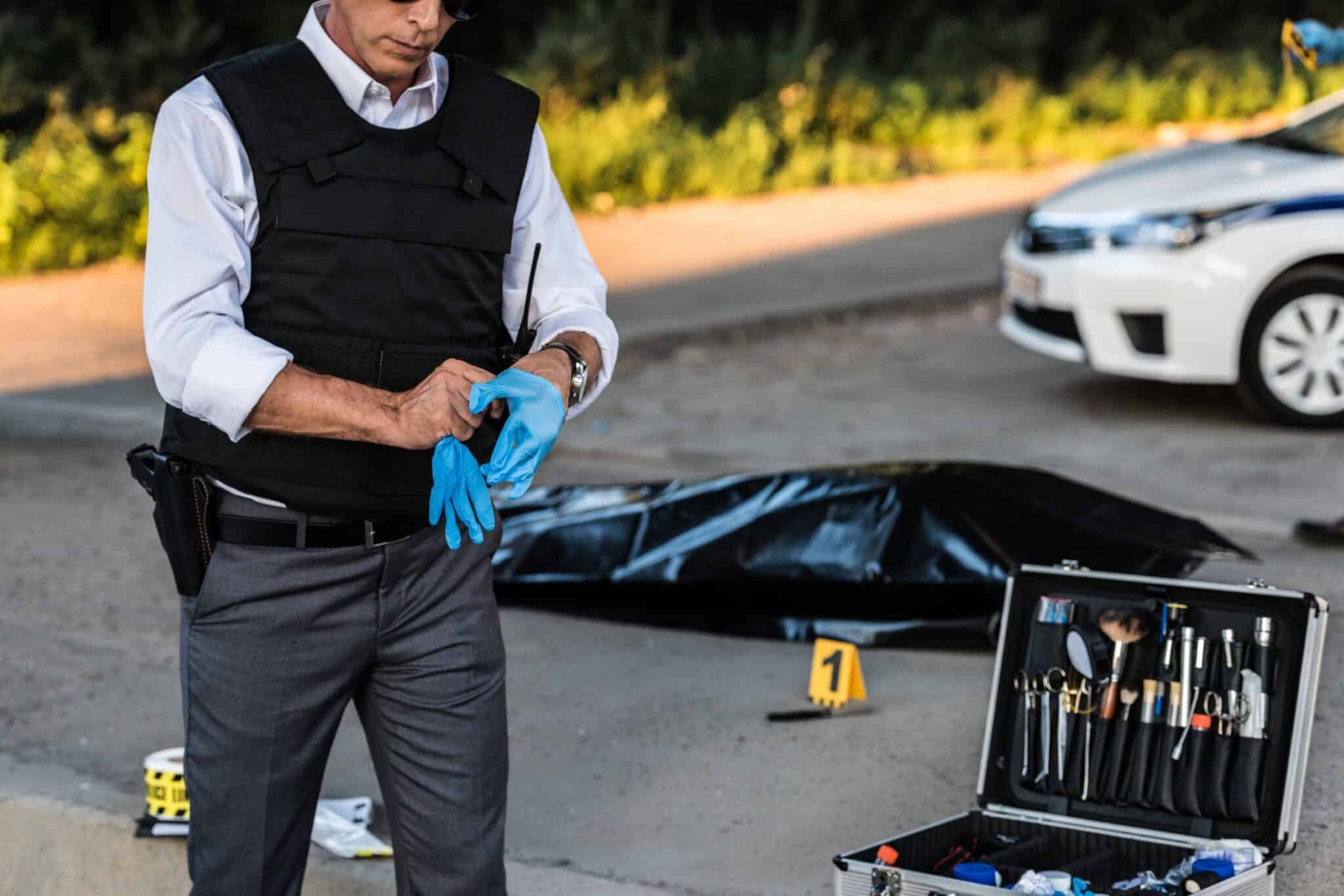
A charge around Kansas City often arrives with pictures already attached. A lot behind a store. A camera on a vest. A dash camera. A phone that was recording before anyone called a lawyer. You may not have seen the file. The report may describe it in one sentence that does not match the minute a person can actually watch. Before anyone argues about that sentence, the file has to stay the file.
This is not legal advice, and reading it does not create a lawyer-client relationship. A lawyer has to look at the charge and the recording. The notes below are about the copy you already have.
The camera usually belongs to someone else
Most of the video in a criminal case was not made for the defense. A business records its floor and its lot, then records over those hours on its own schedule. A police camera stays in that agency’s system. A passerby’s phone stays in that person’s pocket. Each of those is a different request, and each one gets harder after time passes.
At the first call, say where you remember a camera: the intersection, the door, the bar, the car behind you. The lawyer decides what to ask for and whom to ask. Naming a brand of recorder, or treating a clip a friend texted you as the original, does not preserve the recording.
Your copy is a copy
A file sent by text, a screen recording of a news segment, or a version you exported for a relative is not the original. It can still matter, because it tells the lawyer that a recording existed. It cannot be tidied up and then offered as the thing the camera stored.
Watching is one act. Rebuilding is another. Slowing a real file to see which gesture came first keeps those pixels. Cutting in a clearer face, filling a dark gap, or filming a new clip of “how the stop went” makes a second object. That object is not the recording in the case. Do not post it. Do not send it to an officer, a prosecutor, or a group chat as proof of what happened.
If a copy is already on your phone, leave it there. Do not delete it, talk over it, or run it through a filter while you wait to be called back.
Where the report and the picture part ways
The work on a real file is ordinary and slow. The report gives an order of events. The picture may show a different order, or it may show less than the report claims, because a pillar blocks the door, the lot is dark, or the useful minute sits an hour into a file nobody has finished. Two cameras at the same corner do not share one clock. A time on a phone export is not automatically the clock inside the recorder. A still that was brightened for a report can look more certain than the minute it came from.
A lawyer compares those things, asks who held the original, and decides what a court should see. That is not a promise about a ticket, a warrant, or a felony. People call about traffic citations, drug charges, assault allegations, and municipal cases across the Kansas City area. Video changes some of those files and does nothing for others. Someone has to watch it.
Bring the paperwork you were given. Write down the time and the place as you remember them, and the names of people who were there. Do not write a script of the night and film it. A short video on a firm’s own website, put together with a Video Agent from the script the office already uses on the phone, is only an illustration for a visitor. It is not the camera from the report, and it does not go in the case file.
Before you send anything
Bring the papers. Tell the lawyer which cameras you remember. Leave every copy as it is. If you need a lawyer to look at the charge, the number on this site is 816-287-3787.
This draft was prepared with a language model. The one product sentence was checked against the homepage on October 9, 2026. The byline belongs to the site’s publisher.