
No one wants to tangle with a landlord dispute, but sometimes it's unavoidable. Whether your…
Are Your Seatbelt Comfort Hacks Putting Your Family at Risk? – Guest Post
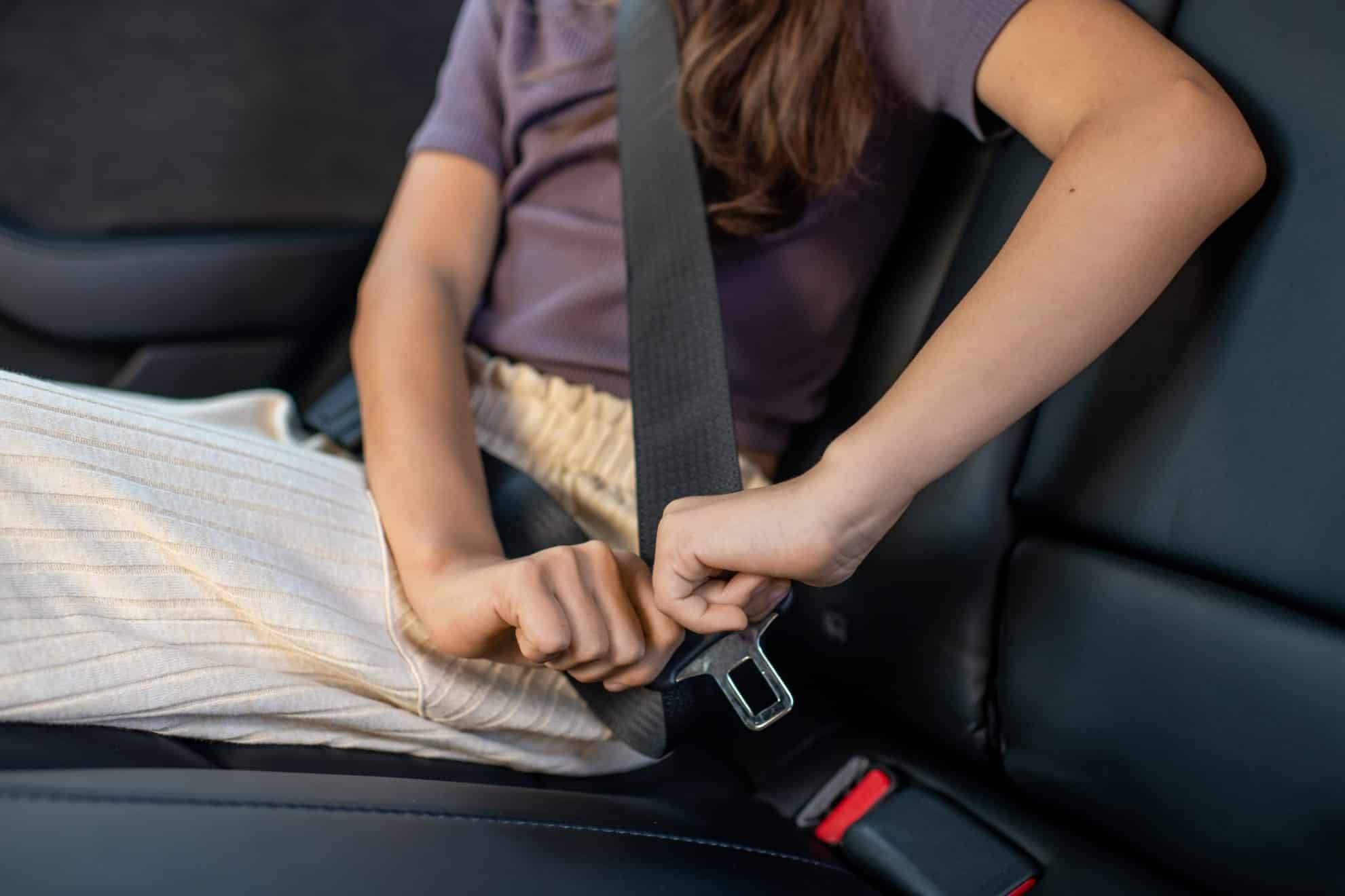
Seatbelts are designed to protect us, but many families try small comfort tweaks that seem harmless at first. These adjustments often come from long drives, fussy kids, or the desire to make travel a bit more comfortable. The problem is that even small changes can have real consequences for rider safety and injury claims. What feels like a simple fix in everyday driving can affect how well a seatbelt performs in a crash. Understanding this balance between comfort and safety is important for keeping everyone protected on the road.
What Seatbelt Comfort Hacks Really Are
Seatbelt comfort hacks are small adjustments people make to reduce pressure or irritation caused by the seatbelt during everyday driving. This can include using clips, padding, or changing how the strap sits across the body to make it feel less tight or restrictive. While these tricks may seem harmless, they can unintentionally change how the seatbelt is meant to protect you in a crash.
Why Families Start Using Them
Families often turn to seatbelt comfort hacks because long drives can feel uncomfortable, especially for kids who find the straps too tight or irritating. Parents may also use them to reduce complaints during road trips or daily commutes when everyone just wants a smoother ride. In many cases, it starts as a small attempt to make travel easier without realizing it could affect safety.
How Seatbelts Are Designed to Protect You
Seatbelts are carefully engineered to keep you secure by spreading the force of a crash across the strongest parts of your body. They work together with airbags and the vehicle’s structure to reduce the risk of serious injury during sudden stops or collisions. When worn correctly, they hold you in the safest position so that your body moves in a controlled way rather than being thrown forward.
The Hidden Risks Behind Common Comfort Fixes
Comfort fixes on seat belts can subtly affect their operation as a protective devices during an accident. Changes merely like using a clip or changing a strap position might result in the belt fitting the body incorrectly, thereby the risk of injury is increased. What is more comfortable in regular driving will probably provide less safety in the critical situation.
Children and Improper Seatbelt Positioning
Children are mainly at risk if seatbelts are not properly aligned since their smaller physiques do not match the dimensions of adult-standard restraints. A misplaced belt, either too high or too loose, might lead to a higher chance of severe injuries in case of an emergency braking or collision. This is the main reason why accurately placing the safety belt and using child-specific safety seats are very important in ensuring the safety of young children while traveling in vehicles.
Pregnant Passengers and Comfort Adjustments
Pregnant passengers frequently search for seatbelt modifications to ease the pressure on their abdomen coming from the belt while on a long trip. Still, moving or releasing the belt in an unsafe way might result in insufficient protection for both mother and baby in the event of an accident. Wearing the seatbelt correctly while using authorized adjustments, e.g., seat position, for enhanced comfort, is the safest option.
What Safety Experts Actually Recommend
Safety experts have repeatedly said that people should wear their seatbelts exactly as intended: the lap belt should lie low across the hip,s and the shoulder strap should cross the chest. They also warn against using any unauthorized devices that alter how the seatbelt fits or performs. The idea is to be as close as possible to the manufacturer’s original setup so that the restraint system can work effectively in an accident.
Safer Ways to Improve Seatbelt Comfort
Here are safer ways to improve seatbelt comfort without compromising protection while driving.
Adjust Seat and Posture
Make small changes to your seat position so the seatbelt naturally sits more comfortably across your body. A better driving posture can reduce pressure points without altering the seatbelt itself.
Use Approved Seatbelt Accessories
Certain manufacturers release certified accessories, particularly made to enhance comfort without compromising safety standards. It’s very important to steer clear of unapproved clips or pads that might affect the seatbelt’s operation during a crash.
Check Proper Seatbelt Fit
Wearing a seatbelt correctly means it should be flat against your chest and low across the hips, with no twisting. Spending a little time to adjust it properly every time you get in the car will make it much more comfortable, mainly on long rides.
Take Breaks During Long Drives
When you are on a long trip, planning a stop now and then will prevent you from getting sore from sitting in the same position for too long. Besides, short rests give travelers a chance to adjust their body postures and be more comfortable without changing the seat belt configuration.
Dress for Comfort
Choosing to wear softer, thinner clothes can be one way to avoid getting annoyed by the seatbelt’s pressure on your waist and shoulder. Even if you completely rely on the restraint system, you can still change one or two items in your wardrobe, which will most definitely affect your comfort.
When Comfort Becomes a Legal or Safety Issue
Comfort becomes a legal or safety issue only if modifying the seatbelt interferes with the restraint system’s ability to protect the occupant during a crash adequately. Besides injury severities resulting from changed seatbelts or those worn incorrectly, it is also tougher to process insurance claims and identify the person at fault. What initially seems like a mere preference for comfort can suddenly wreak havoc on both safety and proper compensation post-accident.
Conclusion
At the end of the day, small seatbelt comfort hacks can seem harmless, but they may carry hidden risks that affect everyone in the car. Properly worn seat belts and safe comfort adjustments help protect passengers in real-world driving situations. Staying mindful of these choices is especially important for rider safety and injury claims, where proper restraint use can make a major difference.