

Looking for finds may be influenced by a number of factors, including the case angle,…
3 Most Important Things Ohio Dog Owners Are Legally Responsible For, and How to Prevent a Bite
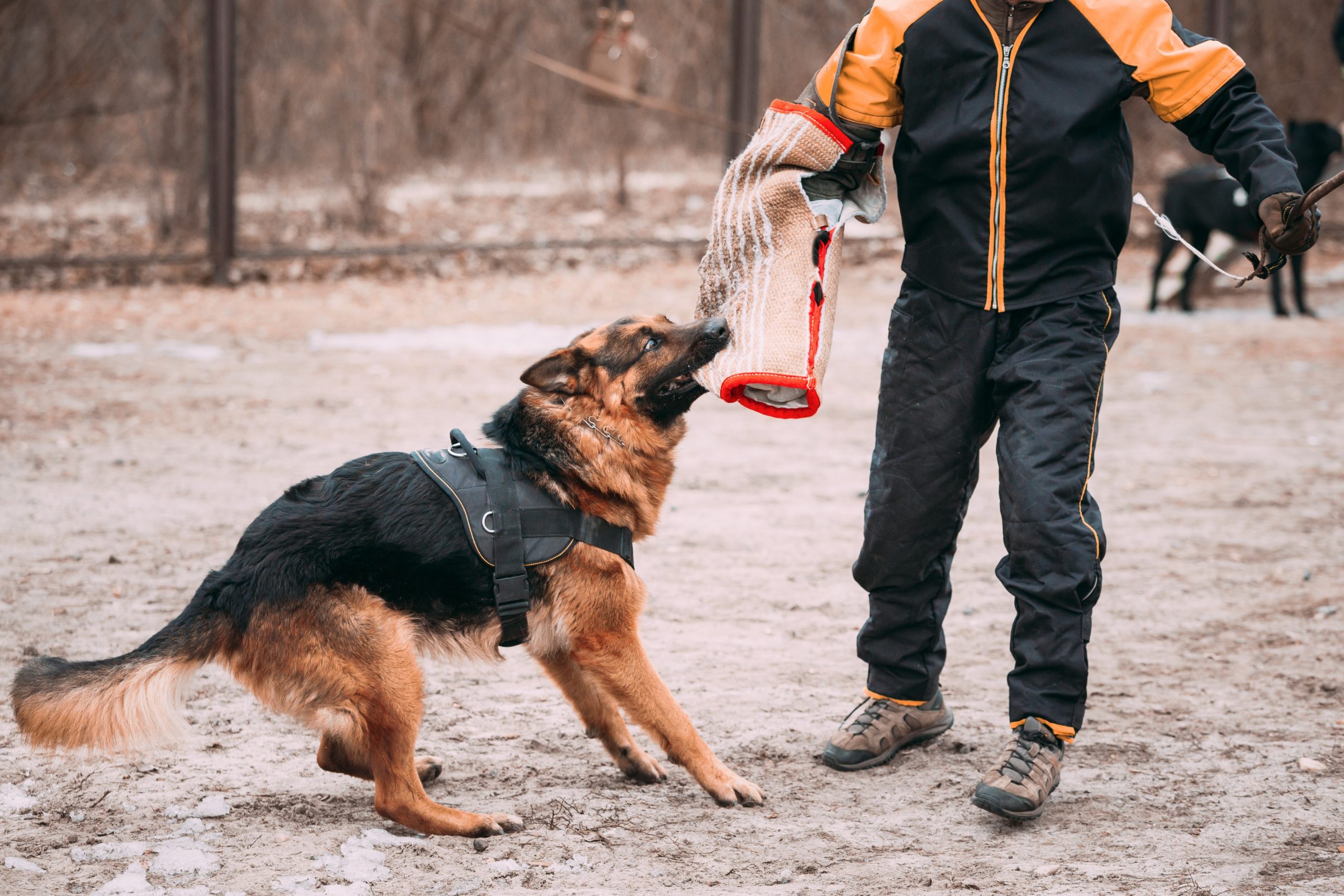
Most Ohio dog owners never expect their dog to bite anyone, which is exactly why the law’s reach surprises them.
Ohio doesn’t wait for a dog to show a history of aggression before holding someone responsible. A single bite can bring a civil claim, and in some cases a criminal charge, so knowing the rules is part of owning a dog here.
This guide covers:
- Who Ohio law holds liable for a dog bite
- The exceptions and the filing deadlines
- What owners must do after a bite
- Everyday habits that prevent bites
Who Ohio Holds Responsible
Ohio uses strict liability for dog injuries. Under section 955.28 of the Ohio Revised Code, the owner, keeper, or harborer of a dog is liable for injury, death, or loss the dog causes. That means a relative who keeps the dog for a few weeks can face a claim alongside the owner. Proof that the dog had never bitten before usually doesn’t change the result.
The law carves out narrow exceptions. There’s generally no liability to someone committing criminal trespass or another offense more serious than a minor misdemeanor on the owner’s property, to someone committing such an offense against another person, or to someone teasing, tormenting, or abusing the dog on that property.
For injured people, the practical question is what comes next, and a clear explanation of how suing for a dog bite in Ohio actually works can save weeks of guessing. Anzellotti, Sperling, Pazol & Small, a Youngstown firm, handles these claims for bite victims across the state.
Deadlines and Duties After a Bite
Deadlines depend on how the claim is framed. In Bora v. Kerchelich (1983), the Ohio Supreme Court applied the six-year limit for liabilities created by statute to claims under the dog statute. A negligence claim follows the two-year limit for bodily injury. Since evidence fades fast, the safest course is to act well within two years.
Owners also have duties once a bite happens. Ohio generally requires a dog that bites someone to be quarantined for ten days, or another period the local board of health sets, so it can be observed for rabies. House Bill 247, known as Avery’s Law and effective March 20, 2026, overhauled the dangerous and vicious dog rules and added a 24-hour bite reporting duty for health care providers and veterinarians. Owners who negligently fail to prevent certain attacks can face charges ranging from a minor misdemeanor to a felony.
Bite victims unsure of their options can turn to a Youngstown injury firm that evaluates cases free of charge for a first look at the facts.
Habits That Prevent Bites
Prevention protects the people around a dog and the owner’s finances. According to the Centers for Disease Control and Prevention, children are more likely than adults to be bitten, and their injuries tend to be more severe. The CDC advises never letting young children play with dogs unsupervised, even dogs they know.
| Habit | Why it helps |
|---|---|
| Supervise children around dogs | Children are bitten more often and hurt more seriously |
| Leave eating or sleeping dogs alone | The CDC warns against disturbing them |
| Keep dogs secured when guests arrive | Fewer surprise encounters at the door |
| Teach kids not to approach unfamiliar dogs | Friendly-looking dogs can still bite |
Training and socialization also go a long way, especially for a new or rescued dog.
The Bottom Line
Ohio holds owners, keepers, and harborers responsible for dog bites with few exceptions. Knowing the rules and building simple habits lowers the chance of a bite and a lawsuit.
Key Takeaways
- Treat anyone watching your dog as sharing legal responsibility for it.
- Follow quarantine instructions promptly if your dog bites someone.
- Supervise every interaction between young children and dogs.
A few minutes of supervision is far easier than months of dealing with an injury claim.
Frequently Asked Questions
Is a dog bite always strict liability in Ohio?
Usually, but not always. Section 955.28 makes owners, keepers, and harborers liable for injuries their dogs cause, with exceptions for people committing certain criminal offenses or teasing, tormenting, or abusing the dog on the owner’s property. Negligence claims are a separate option, though they usually require showing the owner knew the dog was dangerous.
Can I sue the owner of a dog if it bites me?
Yes, in most cases. Under Ohio’s strict liability statute, bite victims can seek damages from the owner, keeper, or harborer without proving the dog was dangerous before. A homeowners or renters insurance policy may cover the claim, though coverage and exclusions vary from policy to policy.
What is the new dog bite law in Ohio?
House Bill 247, known as Avery’s Law, took effect March 20, 2026. It reworked the nuisance, dangerous, and vicious dog categories, raised criminal penalties, and required bite reports within 24 hours from health care providers and veterinarians. It didn’t change the civil strict liability rule in section 955.28.
Is it worth suing for a dog bite?
It often is when the bite caused medical bills, scarring, lost work, or lasting fear. Because Ohio uses strict liability, victims usually don’t need to prove the dog was known to be aggressive, which can make these claims simpler than other injury cases.
What is the average dog bite settlement in Ohio?
There’s no reliable Ohio-specific average, since settlements depend on the severity of injuries, medical costs, scarring, lost income, and available insurance. Serious bites to children or bites needing surgery generally lead to larger recoveries than minor wounds that heal quickly.