
Buying a car that was in an accident requires careful thought. This decision can impact…
Wide Open Spaces Come With Fine Print — What to Know Before Buying Land – Guest Post
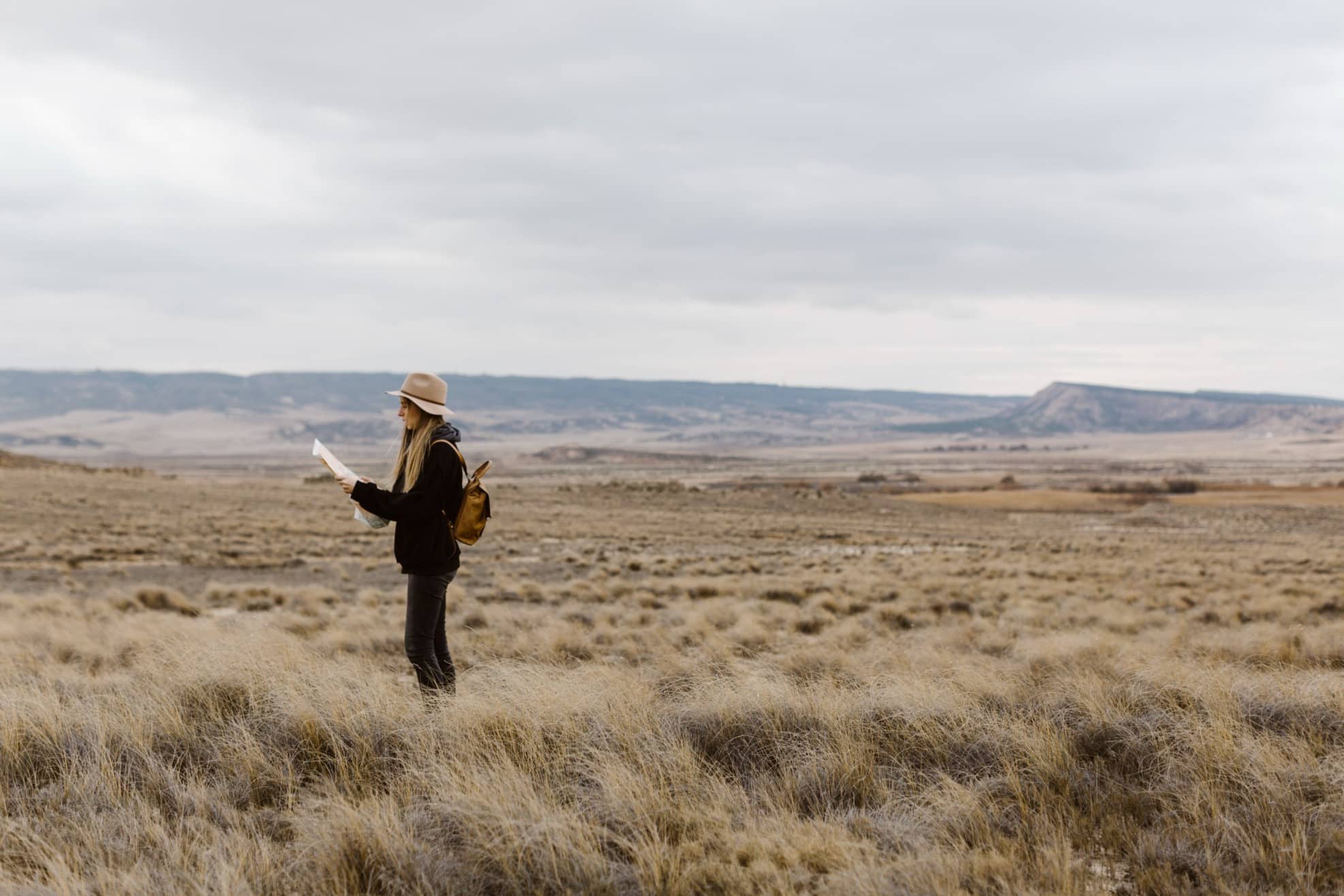
Purchasing farmland or rural property is a dream for many who envision quiet, open landscapes and a slower pace of life. However, the process is far more complex than buying a city home. From hidden easements to water rights, the legal details can be daunting and, if overlooked, costly. Understanding the legal landscape is essential before making your move to wide open spaces.
Why Legal Guidance Is Essential for Rural Land Purchases
The purchase of rural property involves more than signing on the dotted line. Unlike urban properties, rural tracts often come with unique concerns: mineral rights, access roads, and agricultural exemptions. If you’re considering such an investment, working with attorneys in texas? who have deep knowledge of rural land transactions is crucial. They can help clarify local regulations and ensure you avoid common pitfalls specific to agricultural and undeveloped land.
Due Diligence: The Foundation of a Sound Investment
Before committing to a rural property, due diligence is your first and most important step. This includes confirming boundaries through a professional survey, checking for liens or encumbrances, and understanding any zoning restrictions. Water rights and mineral rights must be clarified early—these can significantly impact the value and use of your land. Legal professionals can guide you through the maze of documents and historical records needed to make an informed decision.
A checklist for due diligence should include:
- Reviewing the official deed and title history
- Requesting a current property survey
- Investigating water and mineral rights
- Confirming land use restrictions with county offices
- Checking for existing leases or easements
- Verifying agricultural tax exemptions
Navigating Zoning Laws and Land Use Restrictions
Zoning laws in rural areas can be surprisingly complex. While some counties have minimal regulation, others strictly control land use to preserve agricultural or environmental value. Subdivision rules, livestock limitations, and building permits vary widely. Consulting a board-certified real estate lawyer can help you interpret zoning maps, permitting requirements, and future development plans that might affect your intended use of the property.
Understanding these laws before closing ensures you can farm, build, or develop as planned. You’ll also want to be aware of any conservation easements or floodplain designations that limit your rights as a landowner.
Financing Rural and Farmland Purchases
Financing rural property isn’t the same as getting a typical residential mortgage. Lenders often require larger down payments and may impose stricter credit requirements. Specialized loan programs exist for agricultural land, but these too have their own eligibility criteria. Engaging with a legal expert early in the process can help you navigate lender requirements, prevent surprises at closing, and ensure any property loans arrangement aligns with your long-term goals for the property.
Understanding Easements, Access, and Rights-of-Way
Access to rural land isn’t always straightforward. An easement—legal permission for others to use part of your land—can affect how you use your property. Roads, pipelines, or utility lines may cross your acreage, sometimes without clear documentation. Ensuring you have legal, deeded access to your property is fundamental, especially if it is landlocked or only accessible via neighboring parcels. A real estate attorney will help you review recorded easements and clarify any unrecorded access issues that could impact your ownership rights.
Environmental and Agricultural Considerations
Environmental regulations often play a significant role in rural property transactions. Wetlands, endangered species habitats, and protected waterways can all restrict how land is developed or farmed. Soil quality, drainage, and prior pesticide use can also affect your ability to cultivate the property. Legal counsel can help you obtain necessary environmental assessments and interpret the results within the context of intended land use.
Negotiating Purchase Agreements With Legal Support
Purchase agreements for farmland or rural property are more than a price and closing date. They must account for contingencies like financing approvals, inspection results, and the transfer of agricultural exemptions. Having an attorney review or draft your purchase agreement ensures that your interests are protected should unexpected issues arise during the transaction. Their expertise is invaluable in negotiating timelines, resolving title defects, and ensuring all parties meet their obligations.
The Closing Process: Risks and Resolutions
The final step in buying rural property—closing—can present unexpected risks. Title insurance is essential, as rural titles may have gaps or unresolved claims. Inspection contingencies should allow for everything from well and septic system tests to boundary disputes. If you’re unsure about the process, resources on how to buy farm land in texas? can provide further details about what to expect and how to prepare for closing in this unique market.
Conclusion
Buying farmland or rural property is a significant and rewarding investment, but it comes with legal complexities that can impact your ownership and use of the land. Engaging knowledgeable attorneys, conducting thorough due diligence, and understanding zoning, access, and environmental regulations are all essential steps. With the right legal support, you can confidently navigate the process, ensuring your rural dream is protected for the long term. As rural real estate continues to evolve, staying informed and supported is key to a successful transaction.