
Being involved in a car accident can be a traumatic experience. It can leave you…
Why Motorcycle Injury Claims Are Argued Differently From Car Claims
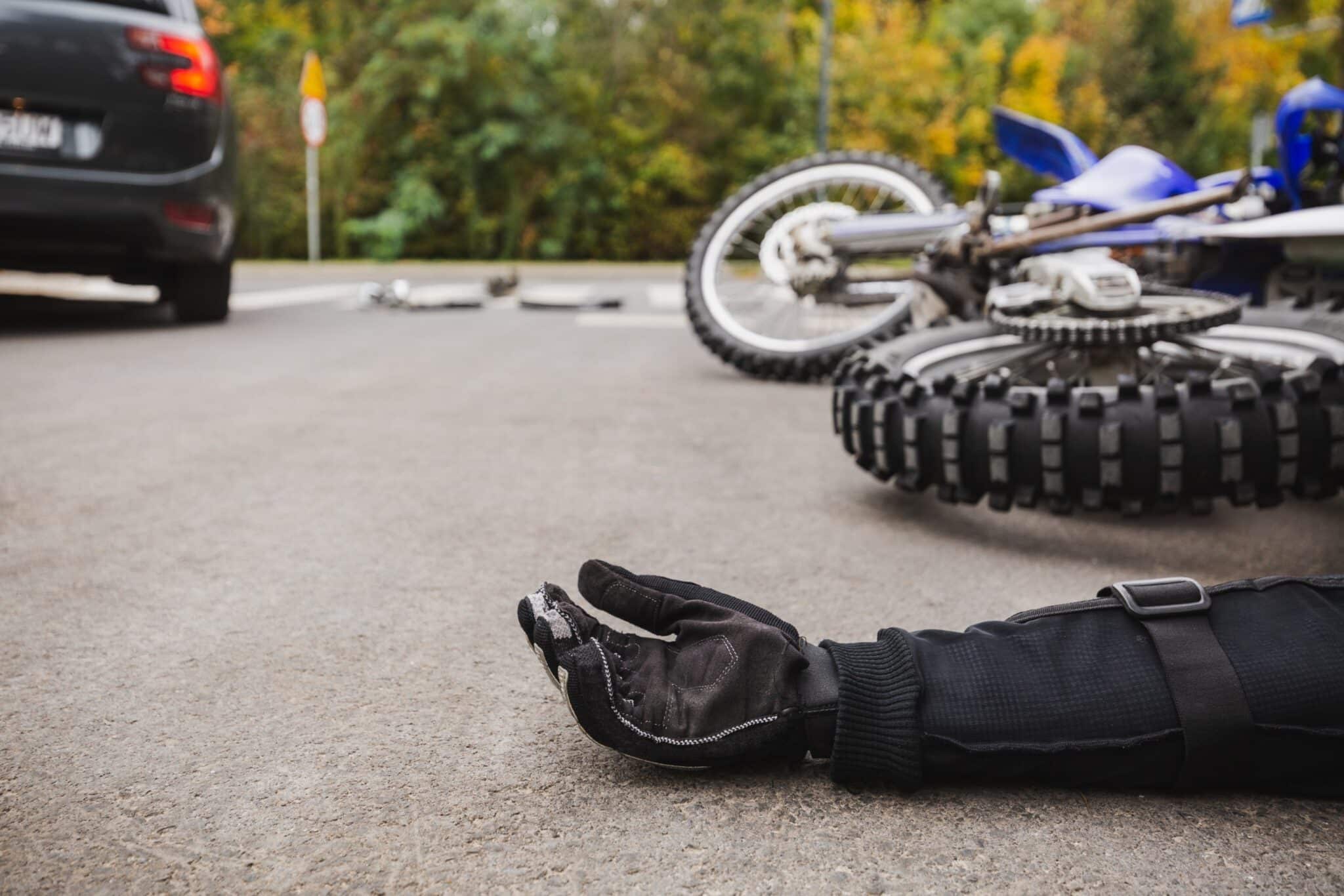
Put a sedan and a motorcycle through the same red-light collision and the sedan’s driver may walk away sore, while the rider leaves in an ambulance with a shattered leg and a ruined helmet. The crash is identical on paper, but the claim that follows is not, because almost every part of a motorcycle case, from the medical file to the jury’s first impression, works differently from a standard car claim.
This guide covers:
- Why injury severity reshapes the value of a rider’s claim
- How insurance limits fall short more often for riders
- Where assumptions about riders creep into negotiations
- What evidence a motorcycle case depends on
Quick Takeaways
| Takeaway | Detail |
| Injuries run deeper | Riders lack the frame, belts and airbags that protect car occupants, so the same crash tends to cause far worse harm. |
| Future costs dominate | Surgery, rehabilitation and lost earning capacity often outweigh the bills already paid. |
| Policy limits pinch | The at-fault driver’s coverage can run out quickly against a rider’s losses. |
| Your own policy counts | Underinsured motorist coverage can fill part of the gap when the other driver’s limit is too low. |
| Bias can creep in | Adjusters and jurors may assume a rider was reckless before seeing any evidence. |
| Gear tells the story | Scrape and impact marks on a helmet, jacket and boots help reconstruct the crash. |
Injury Severity Changes the Whole Claim
A car occupant has a steel cage, seat belts and airbags between them and the other vehicle, and a rider has a helmet and a jacket. According to NHTSA’s motorcycle safety data, motorcyclists in 2024 were almost 27 times more likely than passenger car occupants to die in a crash and almost 5 times more likely to be injured. That difference in physical risk flows straight into the claim. Orthopedic fractures, traumatic brain injuries, spinal injuries and deep road rash are common in rider cases, and many of them need care for years.
Because so much of the harm lies in the future, a motorcycle claim leans heavily on projections from treating physicians, life-care planners and vocational experts about what further surgery, therapy and lost work will cost.
Insurance Coverage Runs Out Faster
Serious rider injuries can overwhelm ordinary insurance limits quickly. The at-fault driver’s liability policy may be the minimum their state allows, and that amount can be exhausted by a single hospital stay. When that happens, the rider’s own underinsured motorist coverage, if they carry it, becomes a second source of recovery.
The bike itself raises its own questions. Custom parts, aftermarket upgrades and protective gear are easy to undervalue in a property damage estimate, so receipts and photos taken before the crash help. Sorting through every available policy, including the rider’s own, is part of why some riders turn to specialized help, such as a full bench of motorcycle injury lawyers at VanDerGinst Law, before weighing any offer.
| Issue | Typical car claim | Typical motorcycle claim |
| Physical protection | Frame, belts and airbags | Helmet and riding gear |
| Common injuries | Soft tissue, minor fractures | Major fractures, head and spinal injuries |
| Coverage pressure | Limits more likely to cover losses | Limits more easily exhausted |
| Role of the rider’s own policy | Usually secondary | Can be central |
| Key physical evidence | Vehicle damage, event data | Gear damage, scene marks, bike damage |
Rider Bias Shapes the Negotiation
Insurance adjusters and jurors often bring their own picture of motorcyclists into a case, and that picture can be a reckless one. A rider who was obeying the speed limit can still face suggestions that they were weaving, showing off or simply asking for trouble by riding at all. Those assumptions rarely appear in writing, but they can show up in low first offers, and countering them starts with presenting the rider’s history of training and safe riding.
Helmet use adds another layer. States differ on helmet laws, and in some places the defense may argue that a missing or improper helmet made a head injury worse, which can reduce damages even when the other driver caused the crash. It is one of several arguments that injury firms such as VanDerGinst Law expect to meet in rider cases, and it is usually answered with medical evidence showing which injuries no helmet could have prevented.
Evidence Works Differently on Two Wheels
Many cars record speed and braking in an event data recorder, while a motorcycle may hold little or no stored crash data. That puts more weight on the physical scene, including gouge marks, debris fields and the final resting positions of the bike and rider. Damage to riding gear matters too, since the scrape pattern on a helmet or jacket can show the direction and force of impact. Accident reconstructionists who understand motorcycle dynamics can turn those details into a clear account of what happened.
What to Take Away
Motorcycle claims differ from car claims because the injuries are worse, the insurance is more strained, the rider faces assumptions a driver does not, and the proof comes from different places. Each of those differences calls for preparation that a routine car claim never needs.
Key Takeaways
- Keep damaged gear, including the helmet, exactly as it is after the crash.
- Check your own policy for underinsured motorist coverage now, before you need it.
- Document custom parts and upgrades on your bike with photos and receipts.
A rider’s claim deserves to be valued on the facts of the crash, not on stereotypes about who rides. Preparing for those differences is how that happens.
Frequently Asked Questions
Are motorcycle accident claims worth more than car accident claims?
They are often larger, because rider injuries tend to be more severe and require longer treatment. Value still depends on the injuries, the available insurance, the facts of the crash and the law where it happened, so no two claims are alike.
Does not wearing a helmet affect a motorcycle injury claim?
It can. Helmet laws vary by state, and in some places the defense may argue that a missing helmet made a head injury worse, which could reduce damages. It generally does not excuse the other driver for causing the crash itself.
What if the at-fault driver does not have enough insurance?
The rider’s own underinsured motorist coverage, if they carry it, may cover part of the difference between the other driver’s limit and the rider’s losses. Other sources can include additional at-fault parties or other policies in the household, depending on the policy terms.
Why are motorcycle accident cases harder to win?
Riders often face assumptions that they were speeding or reckless, and a motorcycle may store less crash data than a car. Strong scene evidence, independent witness accounts and professional accident reconstruction help overcome those hurdles and keep the focus on what actually happened.
What injuries are most common in motorcycle accidents?
Common rider injuries include fractures to the legs, arms and pelvis, traumatic brain injuries, spinal cord injuries and severe road rash. Many involve surgery, long rehabilitation and time away from work, which shapes how the claim is valued and how long it takes to resolve.
Should I keep my damaged motorcycle gear after a crash?
Yes. A damaged helmet, jacket, gloves and boots can show where and how hard the rider was struck, which helps experts reconstruct the crash. Store the gear as it is, without cleaning or repairing it, until your claim is resolved.