
After a car crash in Fresno, determining who is at fault can be a complicated…
Why Car Accident Victims Should Act Without Delay – Guest Post
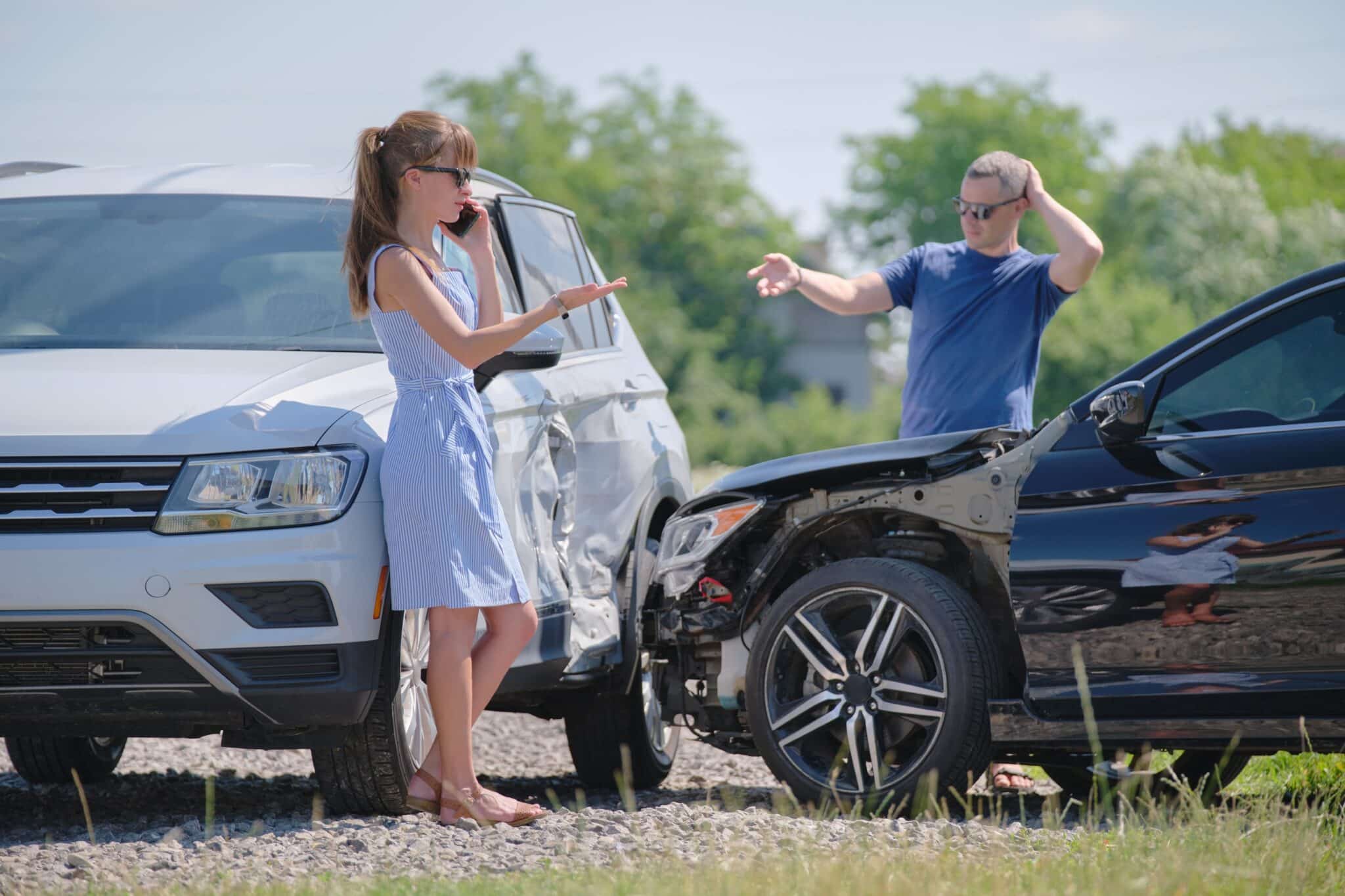
A collision can disrupt the body before pain fully registers. Adrenaline often masks soreness, dizziness, or numbness for hours. Meanwhile, damaged vehicles get moved, debris disappears, and witness recall starts to blur. Delay can weaken both medical care and any later claim. Early steps give injured people a clearer record of symptoms, expenses, and events, which helps doctors, insurers, and legal teams assess harm with greater accuracy.
Evidence Fades Fast
Physical proof rarely stays intact for long. Skid marks wash away, broken glass gets cleared, and nearby video may be overwritten within days. Many injured people later seek help from a car accident lawyer in Philadelphia, PA after insurer calls begin, because photographs, scene notes, and witness details often shape how fault gets judged. Busy corridors can turn a simple dispute into a difficult factual fight.
Insurance Contact Starts Early
Insurance adjusters often reach out before a victim has seen every symptom develop. Their tone may sound kind, yet each statement can affect liability, treatment questions, or payment value. A person who answers too soon may understate pain, confusion, or limited movement. Brief caution helps preserve accuracy. Waiting to speak in detail until records are gathered can prevent avoidable damage.
Medical Gaps Create Doubt
Soft tissue strain, concussion symptoms, and spinal irritation do not always peak at the scene. Stiffness may build later, once shock settles and muscles tighten. Prompt evaluation creates a clinical timeline that links symptoms to trauma. A long gap makes insurers question causation. Early care also gives physicians a better chance to detect hidden injury before swelling, inflammation, or neurological changes worsen.
Pennsylvania Rules Matter
Pennsylvania law can shape recovery in ways injured drivers do not expect. Limited tort coverage may restrict payment for pain and suffering unless the injury meets a serious threshold. That question often depends on imaging, diagnosis, and treatment history. Delay weakens each piece. Attorneys at The Law Offices of Greg Prosmushkin, P.C. use their local knowledge to help people preserve deadlines, identify available coverage, and avoid mistakes that can narrow a valid claim.
Money Loss Grows Quietly
Financial damage usually spreads beyond body shop estimates. Missed shifts, prescription costs, rides to appointments, and household help can add up within days. Self-employed workers may also lose billable hours or client work. Acting early helps preserve receipts, wage records, invoices, and mileage logs. Clear documentation gives every loss a paper trail, which makes later valuation more grounded and less speculative.
Social Posts Can Backfire
Online activity can distort how an injury looks to outsiders. A smiling photo may suggest comfort, even if pain increased an hour later. Insurers often review posts for images, captions, or comments that appear inconsistent with treatment. Early restraint protects the record. Friends and relatives should also avoid tagging someone in outings, workouts, or travel updates while a claim remains open.
Vehicle Damage Tells a Story
The condition of a vehicle can support medical and legal analysis. Crush depth, airbag deployment, bent frames, and shattered lights may help show impact direction and force. Once repairs begin, much of that evidence is gone. Fast documentation matters. Images from several angles can assist experts who later compare occupant injuries with seat position, intrusion, and crash mechanics.
Witness Memory Changes
Human memory shifts quickly after a stressful event. A bystander may recall a red light clearly that afternoon, then sound uncertain two weeks later. Short written notes, phone numbers, and contact details should be collected as soon as possible. Early accounts can support the police report. They also help resolve later disputes about distraction, lane position, speed, or right of way.
Serious Cases Need Deeper Review
Some wrecks involve far more than two private drivers. Commercial trucks, rideshare trips, defective parts, unsafe road conditions, or poor maintenance can expand responsibility across several parties. Each source requires different records. Delay may cost access to logs, repair histories, dispatch data, or public footage. Early review helps identify every avenue of recovery before important material disappears or gets much harder to obtain.
Conclusion
Waiting after a crash may feel easier than making calls, arranging care, and saving records. Still, delay tends to help insurers, weaken proof, and cloud the medical picture. Prompt action supports treatment, protects evidence, and preserves the facts needed to show full harm. In a city with dense traffic and frequent collisions, steady early steps can improve both physical recovery and the financial outcome that follows.