

According to the U.S. Department of Transportation’s National Highway Traffic Safety Administration, 38,680 people died…
What Happens After a DUI Car Accident: Criminal Charges, Civil Lawsuits, and What Comes Next – Guest Post
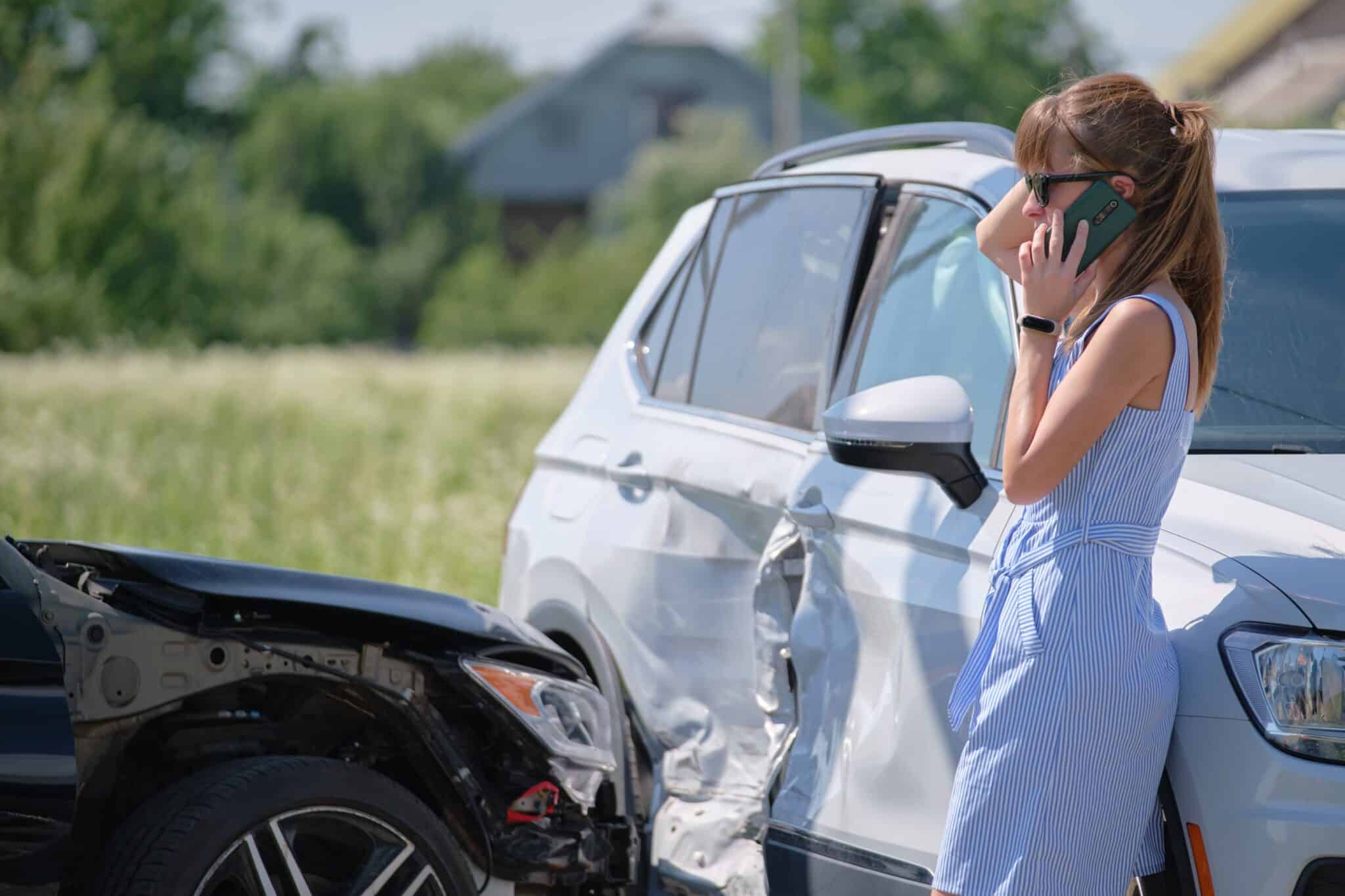
A DUI arrest after a car accident is not one legal problem. It is two separate legal problems running simultaneously on entirely different tracks. Most people who call a criminal defense attorney after a DUI crash are focused on the criminal charges: the license suspension, the potential jail time, the record. What they often do not realize until weeks or months later is that a civil lawsuit from the injured party is coming separately, governed by completely different rules, with a different burden of proof and a different timeline.
Understanding both tracks from the moment of arrest is not just useful. It is essential. The decisions made in the criminal proceeding directly affect the civil case, and the civil case can produce financial consequences that outlast any criminal sentence by years. For injury victims on the other side of a DUI crash in Texas, working with a Texas car accident lawyer gives victims access to every civil recovery avenue available while the criminal case runs its separate course.
What is the difference between a DUI criminal case and a DUI civil lawsuit?
The criminal case is brought by the state. The prosecutor decides whether to charge, what to charge, and whether to offer a plea. The standard of proof is beyond a reasonable doubt, the highest standard in the legal system. A criminal conviction requires the jury to be certain of guilt. An acquittal or a dismissed charge does not mean the civil case goes away.
The civil lawsuit is brought by the injured party or their family. The standard of proof is preponderance of evidence, meaning more likely than not. That standard is significantly lower than beyond a reasonable doubt. A driver who was acquitted of DUI criminal charges can still be found liable in a civil lawsuit for the same crash. The two proceedings are legally independent. What happens in one does not automatically determine the outcome of the other.
This distinction matters in practice. A DUI criminal defense that produces an acquittal or a charge reduction does not close the civil case. The injured party’s attorney will independently pursue the civil claim regardless of the criminal outcome. In many cases, the civil discovery process, including depositions, interrogatories, and document requests, surfaces evidence that the criminal case never reached.
Does a DUI conviction automatically establish civil liability?
Yes, in most jurisdictions across the United States. A DUI conviction is treated as negligence per se in civil proceedings. Negligence per se holds that a driver who violated a safety statute, like the drunk driving prohibition, is automatically negligent without requiring the plaintiff to prove that the conduct was unreasonable. The conviction does the work.
A DUI conviction creates a documented record that the civil plaintiff’s attorney will introduce at every stage of the civil proceeding. Contesting the criminal charge aggressively and achieving a reduction or dismissal removes or weakens that negligence per se argument. That is one practical reason why the criminal defense of a DUI charge has consequences that extend well beyond the criminal sentence itself.
The strength of the negligence per se argument increases significantly in cases involving serious injury or death. When a jury in a civil case sees a DUI conviction alongside evidence of catastrophic harm, the combination consistently produces large verdicts. The criminal conviction removes the threshold question of negligence and allows the civil proceeding to focus entirely on the extent of damages.
What happens to the civil case if the criminal charge is reduced or dismissed?
The civil case continues regardless. A reduction from DUI to reckless driving, or a full dismissal of criminal charges, does not extinguish the injured party’s right to bring a civil lawsuit. The civil standard of proof is lower than the criminal standard, meaning a plaintiff can win a civil judgment even when the criminal case did not result in a conviction.
What a charge reduction does is remove the clean negligence per se argument. Without a final DUI conviction on the record, the plaintiff’s attorney must prove negligence through other evidence: blood alcohol test results, field sobriety observations, dashcam footage, witness statements, and accident reconstruction analysis. That is a heavier evidentiary lift than introducing a conviction, but it is not an insurmountable one.
The original arrest records, the officer’s observations at the scene, and any BAC test results remain available to the civil plaintiff through the discovery process regardless of the criminal outcome. The civil attorney will obtain those records through subpoena if necessary. The criminal case outcome affects the efficiency of the civil case, not the existence of it.
What are punitive damages in a DUI accident case and when do they apply?
Punitive damages, called exemplary damages in some states, go beyond compensating the injured party for their losses. They are designed to punish conduct that is willful, wanton, or reckless and to deter similar behavior. Drunk driving has consistently been treated by courts across the country as conduct that qualifies for punitive damage consideration.
Standard auto insurance policies typically exclude coverage for punitive damages. When a civil jury awards punitive damages in a DUI injury case, that award comes directly from the defendant’s personal assets rather than their insurer. That exposure is personal, is not capped by policy limits, and can follow the defendant for years through post-judgment collection proceedings.
The availability and cap on punitive damages vary by state. In Texas, exemplary damages under Chapter 41 of the Texas Civil Practice and Remedies Code are available in DUI cases and are subject to a statutory cap. In other states, punitive damages may be uncapped entirely. The specific jurisdiction where the crash occurred determines the framework that applies.
What is dram shop liability and how does it affect a DUI accident claim?
Dram shop liability holds alcohol vendors legally responsible for injuries caused by patrons they served while visibly intoxicated. Most states have dram shop statutes that allow injured parties to bring claims against bars, restaurants, and liquor retailers alongside the DUI driver.
The practical significance for DUI defendants is that dram shop liability divides civil responsibility. If the bar or restaurant that served the driver is added as a co-defendant, the fault allocation shifts across multiple parties. The driver’s percentage of fault may be reduced if the vendor’s contribution to the intoxication is established through evidence.
For injury victims, dram shop claims add a second defendant with potentially deeper insurance coverage than the individual driver. A commercial establishment’s liability policy typically carries higher limits than a personal auto policy. Adding the vendor as a defendant can materially increase the total recovery available to a seriously injured plaintiff.
How does a DUI accident affect auto insurance coverage?
Standard auto insurance policies cover compensatory damages for bodily injury and property damage up to the policy limits. A DUI conviction does not automatically void coverage for compensatory damages in most policies. The insurer will typically defend the civil lawsuit and pay judgments up to the policy limits, even after a DUI conviction.
The exception is punitive or exemplary damages. Most standard auto insurance policies explicitly exclude coverage for punitive awards. That exclusion means the defendant pays punitive damages personally, regardless of their coverage limits. A driver with a $100,000 bodily injury policy who faces a $50,000 compensatory judgment and a $75,000 punitive award will see the insurer pay the compensatory portion and pay the punitive portion personally.
Insurance companies also have the right to subrogate against a DUI driver in some circumstances. If the insurer pays out a claim following a DUI crash, they may seek reimbursement from the insured driver for the portion attributable to the drunk driving violation. Policy language varies significantly on this point and should be reviewed carefully with counsel after a DUI arrest involving a crash.
What is the civil statute of limitations after a DUI crash?
The statute of limitations for personal injury civil claims varies by state. Most states set the deadline between one and three years from the date of the crash. The clock starts running from the date of the accident, not from the date of the criminal conviction or sentencing.
This timeline matters because DUI criminal cases frequently take a year or more to resolve through plea negotiations, trial, or appeal. A defendant focused entirely on the criminal track may not realize that the civil statute of limitations has expired by the time the criminal case concludes. The civil clock does not pause for the criminal proceedings.
In Texas, the personal injury statute of limitations is two years from the date of the crash under Texas Civil Practice and Remedies Code Section 16.003. For injury victims in Houston and across Texas, that deadline is firm. Missing it permanently eliminates the civil claim regardless of how serious the injuries are or how clear the DUI driver’s fault was.
Wrongful death claims in states including Texas carry the same two-year deadline running from the date of death rather than the date of the crash when those dates differ.
What should someone do immediately after a DUI arrest involving a crash?
The steps taken in the first 24 hours affect both the criminal and civil tracks simultaneously and need to happen in the right sequence.
Do not make statements to law enforcement beyond providing identifying information. Anything said at the scene about what happened, how much was consumed, or where the driver was coming from can be used in both the criminal case and the civil discovery process. The right to remain silent applies immediately.
Contact a criminal defense attorney before the bond hearing if at all possible. The criminal defense attorney’s job is to manage the criminal track. The civil implications require separate consideration from counsel experienced in personal injury defense or from the civil attorney retained by the insurer.
Preserve all evidence relevant to the driver’s version of events. Dashcam footage, witness contact information, photographs of road conditions, and evidence of any contributing behavior by the other driver all have value in the civil case even when the criminal defense strategy focuses on different issues.
Do not contact the injured party or their family directly under any circumstances. Any communication between the DUI defendant and the injured party after a crash can be introduced in the civil case and creates additional liability exposure. All contact should go through legal counsel once an attorney is retained.
Notify the auto insurance carrier promptly. Most policies require timely notice of any accident that could result in a claim. Delayed notification can provide the insurer with a basis to dispute coverage at the worst possible moment in the civil proceedings.