
The level of competence or qualities can be distinct, you need a smart brain, one…
Understanding Ballistic Protection Laws and Body Armor – Guest Post
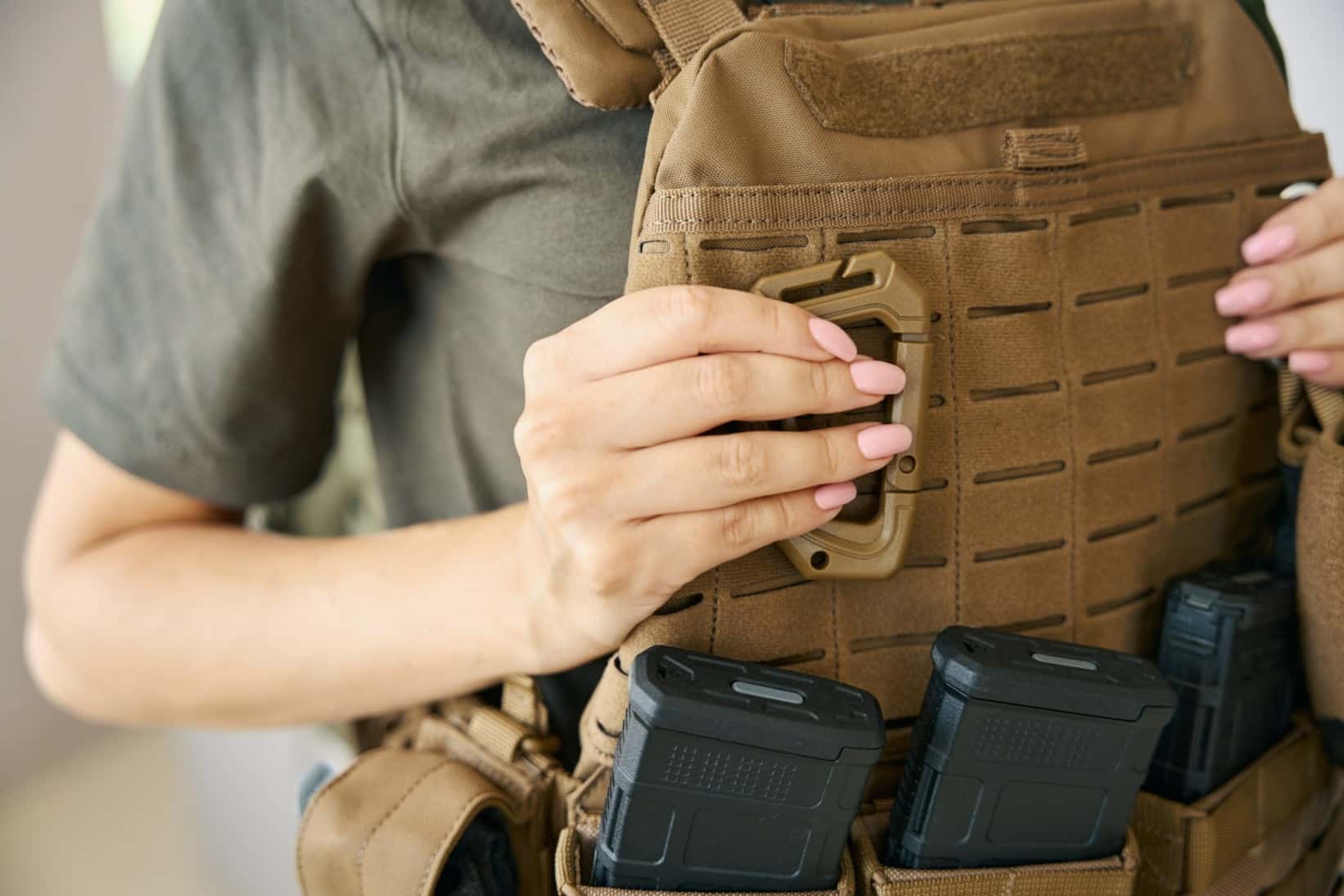
Ballistic protection is defensive equipment. It is designed to reduce injury from firearms. Body armor is used by law enforcement, security professionals, and civilians. Legal treatment depends on location and context.
Understanding the law matters. Assumptions can lead to violations. This article explains how body armor is classified and what the law generally allows.
What Ballistic Protection Means
Ballistic protection refers to armor that stops or slows projectiles. Common forms include vests and rigid plates. Materials vary. Kevlar, ceramics, and polyethylene are widely used.
Protection levels describe capability. They do not grant permission. Ratings explain what threats the armor can stop under test conditions.
How Protection Levels Are Classified
In the United States, armor ratings often follow NIJ standards. These standards define performance. They do not define legality.
Lower ratings focus on handgun threats. Higher ratings address rifle rounds. For example, level 4 plates are tested to stop specific high-powered rifle ammunition.
The rating tells you what the armor can do. It does not tell you who may legally own it.
Is Body Armor Legal to Own
In most U.S. states, civilians can legally own body armor. Armor is considered defensive. It is not classified as a weapon.
That said, legality is not universal. Some states impose restrictions. Others regulate specific situations or buyers.
Local law controls the answer.
Restrictions Based on Criminal History
Several states prohibit felons from possessing body armor. These restrictions are common. Penalties can be severe.
Anyone with a criminal record should verify state law before purchase. Retail access does not equal legal permission. Legal review prevents unintended violations.
Body Armor and Criminal Use
Using armor during a crime changes legal outcomes. Many jurisdictions add penalties when armor is worn during unlawful acts.
The armor itself is not illegal. The context makes the difference. Courts focus on intent and behavior.
State Law Overrides Federal Assumptions
There is no federal ban on civilian body armor ownership. Regulation occurs mostly at the state level.
This creates variation. What is legal in one state may be restricted in another. Travel complicates compliance. State law always takes priority.
International Legal Differences
Outside the United States, rules vary widely. Some countries require permits. Others limit ownership to professionals.
Importing armor can trigger penalties. Possession alone may violate local law. Research is mandatory before crossing borders.
Sales and Distribution Rules
Retailers often follow additional policies. These may include age limits or identity checks.
Shipping restrictions are common. They are often based on compliance concerns, not statutory bans. Retail rules do not replace legal research.
Professional and Safety Uses
Body armor is widely used for lawful purposes. Journalists, security staff, and researchers rely on it for protection.
In these contexts, armor is treated as safety equipment. The law often recognizes this distinction. Purpose influences legal interpretation.
Public Use and Scrutiny
Legal ownership does not prevent attention. Wearing armor in public may attract questions.
Lawful behavior matters. Awareness of surroundings matters more. Responsible ownership includes discretion.
Staying Current on the Law
Regulations change. High-profile events often prompt reviews.
Relying on outdated information is risky. Official state sources provide the most accurate guidance. Current knowledge protects compliance.
Conclusion
Body armor laws depend on location, history, and use. Most civilians can legally own armor. Some cannot.
Understanding classification helps with selection. Understanding the law prevents violations. Legal clarity is essential for responsible ownership.