
In today's society, financial health is closely tied to various aspects of our lives, including…
The Most Effective Ways To Handle Credit Report Disputes This Year – Guest Post
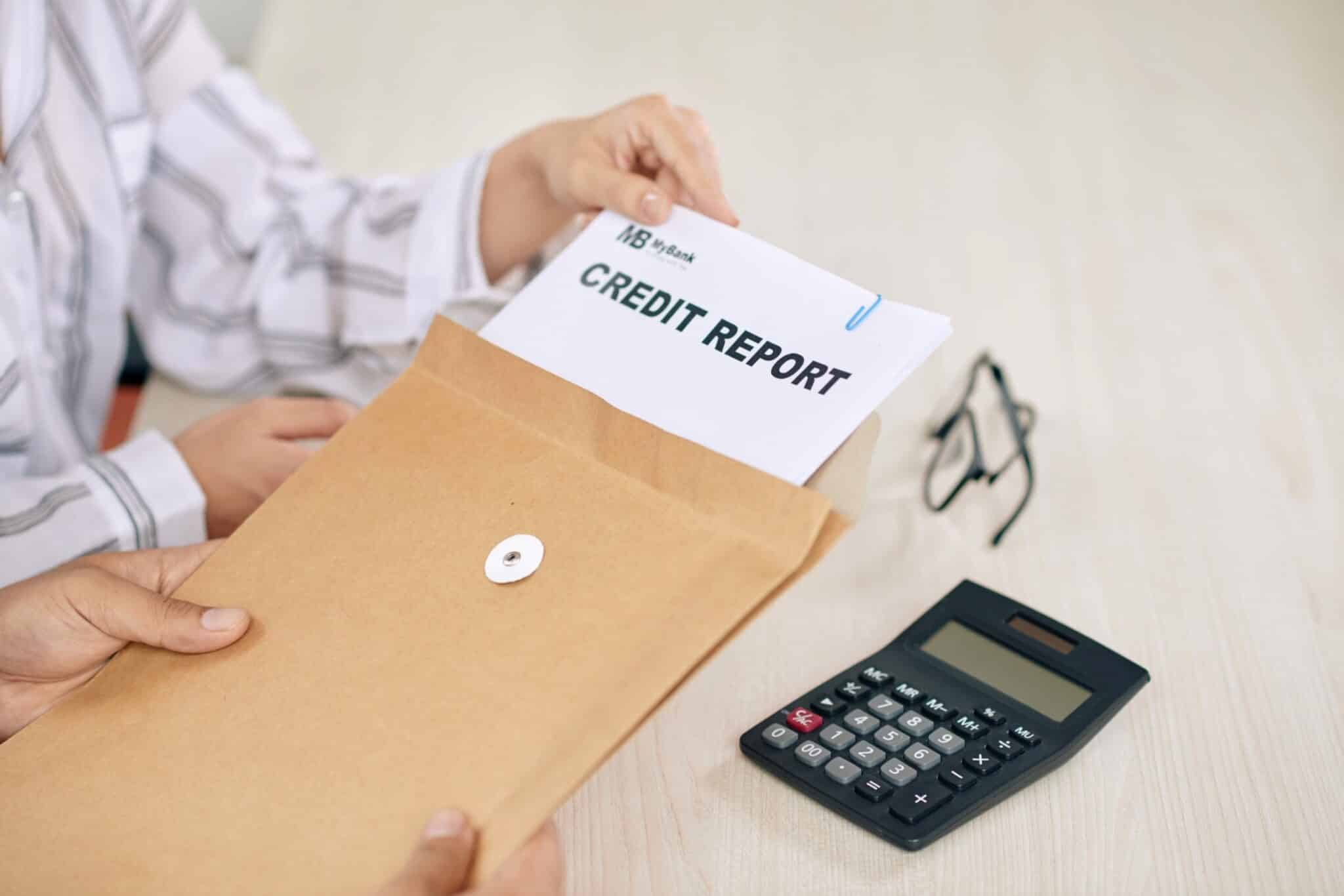
When disputing credit report errors, you’ll want to gather solid evidence like bank statements and receipts. Craft a clear, professional dispute letter highlighting specific inaccuracies and include supporting documents. Leverage consumer protection laws like the FCRA, which requires credit bureaus to investigate within 30 days. File complaints online or via certified mail, and stay vigilant by monitoring your credit’s recovery. Want to master the dispute process? Keep exploring.
Dealing With Credit Dispute Reports
When dealing with credit report disputes, it is vital to distinguish between standard identity theft and the more systemic issue of “mixed credit files,” which occur when a credit bureau’s matching algorithms accidentally merge your data with another consumer’s. As highlighted in a recent Lawbit Digest article, these errors often stem from “loose matching logic” that prioritizes speed over accuracy, frequently affecting individuals who share common names or similar Social Security numbers.
To handle these disputes effectively this year, you must move beyond simple online clicks and instead send detailed, certified mail disputes that demand a formal reinvestigation under the Fair Credit Reporting Act (FCRA). Proving that the unfamiliar accounts belong to a different individual requires a documented legal strategy, as these systemic failures can lead to repeated errors that only persistent, evidence-based pressure can resolve.
Gather Your Financial Evidence Quickly
When challenging credit report errors, you’ll need to quickly gather all relevant financial documentation. Collect bank statements, payment receipts, correspondence, and any other records that can substantiate your dispute.
Organize these materials systematically, ensuring you have clear, compelling evidence to support your case and increase the likelihood of a successful resolution.
Craft a Bulletproof Dispute Letter
When disputing credit report errors, you’ll want to craft a clear, concise letter that precisely outlines the inaccuracies you’ve discovered.
Your dispute letter should include copies of supporting documentation, such as bank statements or payment records, that directly challenge the questionable entries.
Clear Credit Dispute Language
Because credit report errors can greatly influence your financial well-being, crafting a clear and precise dispute letter is crucial for safeguarding your credit standing. You’ll want to use direct, unambiguous language that leaves no room for misinterpretation. State the specific error, reference the exact account or line item, and provide supporting documentation. Avoid emotional or aggressive tones; instead, maintain a professional and factual approach.
Clearly identify the inaccurate information and explain why it’s incorrect. Include copies of documents that substantiate your claim, such as payment records or correspondence. Be concise and focus on the facts. Request that the credit bureau investigate and correct the error, and specify the outcome you’re seeking. Your goal is to communicate clearly and compellingly, ensuring the bureau understands your dispute.
Proper Documentation Techniques
While gathering evidence is critical to a successful credit report dispute, knowing how to document your claim strategically can make all the difference. Start by collecting robust supporting documents like billing statements, payment records, and correspondence that validate your dispute. Organize these materials chronologically and create clear, concise copies.
Ensure each document is legible and highlights the specific error you’re challenging. Include a detailed dispute letter that references exact account numbers, dates, and transaction details. Reference which credit bureau you’re contacting and attach copies—never originals—of your supporting evidence. Keep a meticulous record of everything you submit, including certified mail receipts and tracking numbers. Your thorough documentation will strengthen your dispute and increase the likelihood of a favorable resolution.
Choose the Right Dispute Channel
Choose the Right Dispute Channel
Credit report disputes can be filed through multiple channels, each with unique advantages and potential drawbacks. When choosing your dispute method, consider these key options:
- Online Dispute: Fast, convenient, and allows immediate electronic submission directly through credit bureaus’ websites.
- Mail Dispute: Provides a paper trail and documentation, which can be vital for complex or extensive dispute scenarios.
- Phone Dispute: Enables real-time communication and immediate clarification of dispute details with credit bureau representatives.
- Certified Mail Dispute: Offers official tracking and confirmation of receipt, ensuring your dispute is officially documented and received.
Your chosen method should align with your specific dispute complexity, personal comfort level, and desired documentation approach. Select the channel that best suits your communication style and provides the most extensive evidence for your credit report challenge.
Leverage Consumer Protection Laws
After selecting your preferred dispute channel, understanding consumer protection laws becomes your next strategic advantage.
The Fair Credit Reporting Act (FCRA) is your primary shield, requiring credit bureaus to investigate and resolve disputes within 30 days. You’ve got the right to request free annual credit reports and challenge inaccurate information without facing penalties.
The FCRA also mandates that credit reporting agencies remove unverifiable negative items. If a bureau fails to respond appropriately, you can file complaints with the Consumer Financial Protection Bureau or pursue legal action.
Your knowledge of these laws empowers you to demand accurate credit reporting and protect your financial reputation effectively.
Build an Ironclad Documentation Package
Since successful credit report disputes hinge on compelling evidence, you’ll want to meticulously compile a detailed documentation package that substantiates your claims. Your documentation package should include:
- Original credit statements showing discrepancies
- Copies of correspondence with creditors
- Bank statements proving payment records
- Official dispute letters with certified mail receipts
You’ll need to organize these documents chronologically and create clear, legible copies. Highlight specific errors or problematic entries to make your case immediately apparent. Each piece of documentation should directly address the inaccuracies you’re challenging.
Escalate When Initial Disputes Fail
When your meticulously prepared documentation fails to resolve credit report inaccuracies, it’s time to escalate your dispute. Contact the credit bureaus in writing, sending a certified letter that details why the initial dispute was inadequately addressed. Request a detailed explanation of their investigation and include copies of your original documentation.
If the bureaus remain unresponsive, file a complaint with the Consumer Financial Protection Bureau (CFPB). They’ll forward your complaint to the credit reporting agency and require a formal response. You can also reach out to your state’s attorney general’s office or the Federal Trade Commission.
Consider hiring a credit repair attorney who specializes in challenging complex credit reporting errors. They’ll have the expertise to navigate challenging disputes and potentially take legal action if necessary.
Monitor Your Credit’s Recovery
Credit vigilance becomes your new financial compass after successfully disputing inaccuracies. You’ll want to track your credit’s healing process meticulously, ensuring each correction takes root effectively.
Your monitoring strategy should include:
- Requesting a free credit report from each bureau within 30-60 days post-dispute
- Checking that disputed items are genuinely removed or appropriately updated
- Verifying your credit score’s recalculation reflects the corrections
- Setting up credit monitoring alerts to catch any unexpected changes
Protect Your Future Credit Health
Although credit disputes can feel like a significant challenge, protecting your future credit health is equally crucial. You’ll want to develop proactive habits that maintain your credit’s strength long after resolving any disputes.
Start by establishing a routine of regular credit monitoring. Check your reports quarterly and quickly address any new discrepancies. Consider setting up credit alerts that notify you of significant changes or potential fraud.
Maintain low credit utilization, ideally below 30% of your total available credit limits. Always pay bills on time and avoid opening multiple new credit accounts simultaneously.
Building a solid credit history takes consistent effort and strategic financial management. Your future financial opportunities depend on the credit reputation you’re creating today.
Conclusion
You’ve navigated the credit report dispute maze, armed with knowledge and strategy. Like a skilled navigator charting a course through rocky financial waters, you’ll transform errors into opportunities. Stay vigilant, document meticulously, and remember: your credit health is a powerful compass guiding your financial future. With persistence and the right tools, you’ll emerge stronger, your credit report reflecting your true financial story.