
Every time you drive, your life rests on a few quick choices. A short text,…
The Most Dangerous Intersections in the Twin Cities: What Minneapolis Drivers Need to Know – Guest Post
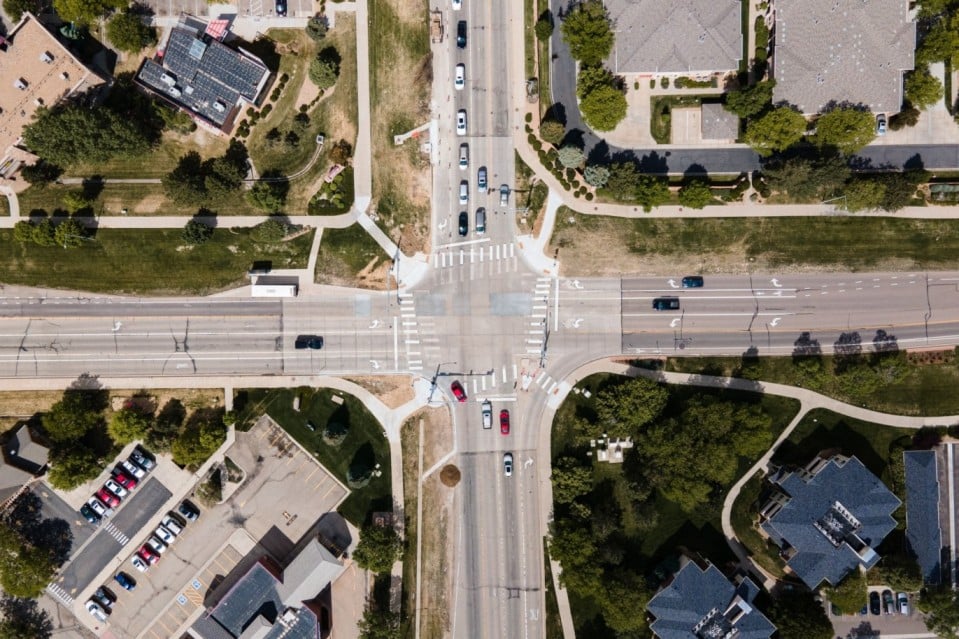
Some of the most dangerous intersections in the Twin Cities are located along heavily traveled corridors in Minneapolis, Bloomington, Brooklyn Park, Maple Grove, and surrounding communities. High traffic volume, distracted driving, speeding, left-turn conflicts, and winter weather conditions contribute to thousands of crashes every year. Understanding where these high-risk intersections are located can help drivers make safer decisions and reduce their chances of being involved in a serious accident in Minnesota.
Understanding Traffic Safety in the Twin Cities
The Twin Cities metro area is home to more than 3.7 million residents and serves as the economic hub of Minnesota. Every day, hundreds of thousands of commuters travel through Minneapolis, St. Paul, and surrounding suburbs using a network of interstate highways, county roads, and local streets.
While transportation infrastructure continues to evolve, traffic congestion remains a significant challenge. According to data from the Minnesota Department of Public Safety and Minnesota Department of Transportation, intersection-related crashes account for a substantial percentage of motor vehicle collisions throughout the state.
Intersections are particularly dangerous because they combine multiple risk factors in one location, including:
- Vehicles traveling in different directions
- Left-turn conflicts
- Pedestrian crossings
- Cyclist traffic
- Driver decision-making under pressure
- Signal timing issues
- Distracted driving behavior
When one driver makes a mistake, the consequences can be severe.
Why Intersections Are So Dangerous
Unlike highway crashes, which often involve vehicles traveling in the same direction, intersection accidents frequently result in side-impact or T-bone collisions.
These crashes are among the most serious types of motor vehicle accidents because vehicle occupants have significantly less protection on the side of a vehicle than they do in the front or rear.
Common causes of intersection crashes include:
Distracted Driving
Texting, GPS usage, eating, and other distractions continue to contribute to a growing number of crashes throughout Minneapolis and the Twin Cities.
According to Minnesota traffic safety officials, distracted driving remains one of the leading contributors to serious injury and fatal crashes statewide.
Failure to Yield
Many intersection collisions occur when drivers fail to yield the right-of-way while making left turns or entering intersections.
Speeding
Drivers traveling above the speed limit have less time to react to changing traffic conditions, increasing both the likelihood of crashes and injury severity.
Red-Light Running
Running red lights remains a persistent problem throughout the Twin Cities and frequently causes devastating side-impact crashes.
Winter Weather Conditions
Minnesota drivers face unique challenges due to snow, ice, reduced visibility, and longer stopping distances during the winter months.
Most Dangerous Intersections in Minneapolis and the Twin Cities
While traffic patterns change from year to year, several intersections consistently rank among the most crash-prone locations in the metro area.
Highway 252 and County Road 81 – Brooklyn Park
This heavily traveled intersection has long been identified as one of the most dangerous locations in Minnesota.
Contributing factors include:
- High traffic volume
- Multiple turning movements
- Congestion during rush hour
- Speed-related crashes
Transportation officials have studied this corridor extensively due to ongoing safety concerns.
Interstate 494 and Highway 100 – Bloomington
As one of the busiest interchanges in the Twin Cities, this area experiences frequent crashes involving:
- Sudden lane changes
- Heavy commuter traffic
- Merging conflicts
- Distracted drivers
Highway 610 and Highway 169 – Maple Grove
Rapid growth in Maple Grove has increased traffic throughout this corridor.
Common issues include:
- High-speed traffic
- Congested merge points
- Commercial vehicle traffic
- Driver confusion during peak travel periods
Hiawatha Avenue and Lake Street – Minneapolis
This major Minneapolis intersection experiences heavy vehicle, pedestrian, and bicycle traffic throughout the day.
Risk factors include:
- Multiple transportation modes
- Dense urban traffic
- Pedestrian crossings
- Left-turn conflicts
Snelling Avenue and University Avenue – St. Paul
One of the busiest intersections in St. Paul, this location sees significant traffic from commuters, students, public transportation, and local businesses.
Twin Cities Intersection Crash Risk Factors
| Risk Factor | Why It Increases Crash Risk |
| Distracted Driving | Delayed reaction times |
| Speeding | Less time to avoid hazards |
| Left Turns | Increased crossing conflicts |
| Heavy Traffic Volume | More opportunities for collisions |
| Winter Weather | Reduced traction and visibility |
| Pedestrian Activity | Additional conflict points |
The Human Cost of Intersection Accidents
Behind every crash statistic is a person whose life may be permanently altered.
Intersection accidents commonly result in:
- Traumatic brain injuries
- Spinal cord injuries
- Broken bones
- Internal organ damage
- Whiplash injuries
- Permanent disability
- Fatal injuries
Many victims face months or even years of medical treatment, rehabilitation, and lost income.
How Minneapolis Drivers Can Reduce Their Risk
Although not every accident can be prevented, drivers can significantly reduce their risk by adopting safer habits.
Eliminate Distractions
Put away phones and avoid activities that take attention away from the road.
Slow Down at Intersections
Approaching intersections cautiously provides additional reaction time.
Watch for Red-Light Runners
Even when a light turns green, drivers should verify that cross traffic has stopped before proceeding.
Prepare for Winter Conditions
Allow extra stopping distance during snow and ice events.
Stay Alert for Pedestrians and Cyclists
Many serious intersection crashes involve vulnerable road users who have little protection from impact forces.
Why Traffic Safety Matters for Twin Cities Communities
As Minneapolis and surrounding communities continue to grow, improving roadway safety remains a priority for transportation planners, law enforcement agencies, and local governments.
Investments in safer intersection design, improved signal timing, enhanced pedestrian infrastructure, and public education campaigns continue to play a critical role in reducing crashes.
However, driver behavior remains one of the most important factors influencing roadway safety.
Every decision made behind the wheel affects not only the driver but everyone sharing the road.
Protect Your Rights
The Twin Cities’ busiest intersections will likely continue to experience heavy traffic as the metro area grows. While transportation agencies work to improve safety, drivers can help reduce accidents by staying attentive, following traffic laws, and approaching intersections with caution.
Understanding where crashes most frequently occur and why they happen is one of the best ways Minneapolis drivers can protect themselves, their passengers, and others on the road.
Safer driving habits today can help prevent serious accidents tomorrow.