
HOW DOES THE STATE OF MISSOURI PROSECUTE AND PENALIZE ROBBERY CHARGES? In Missouri, robbery…
How Criminal Defense Attorneys Build Strong Cases – Guest Post
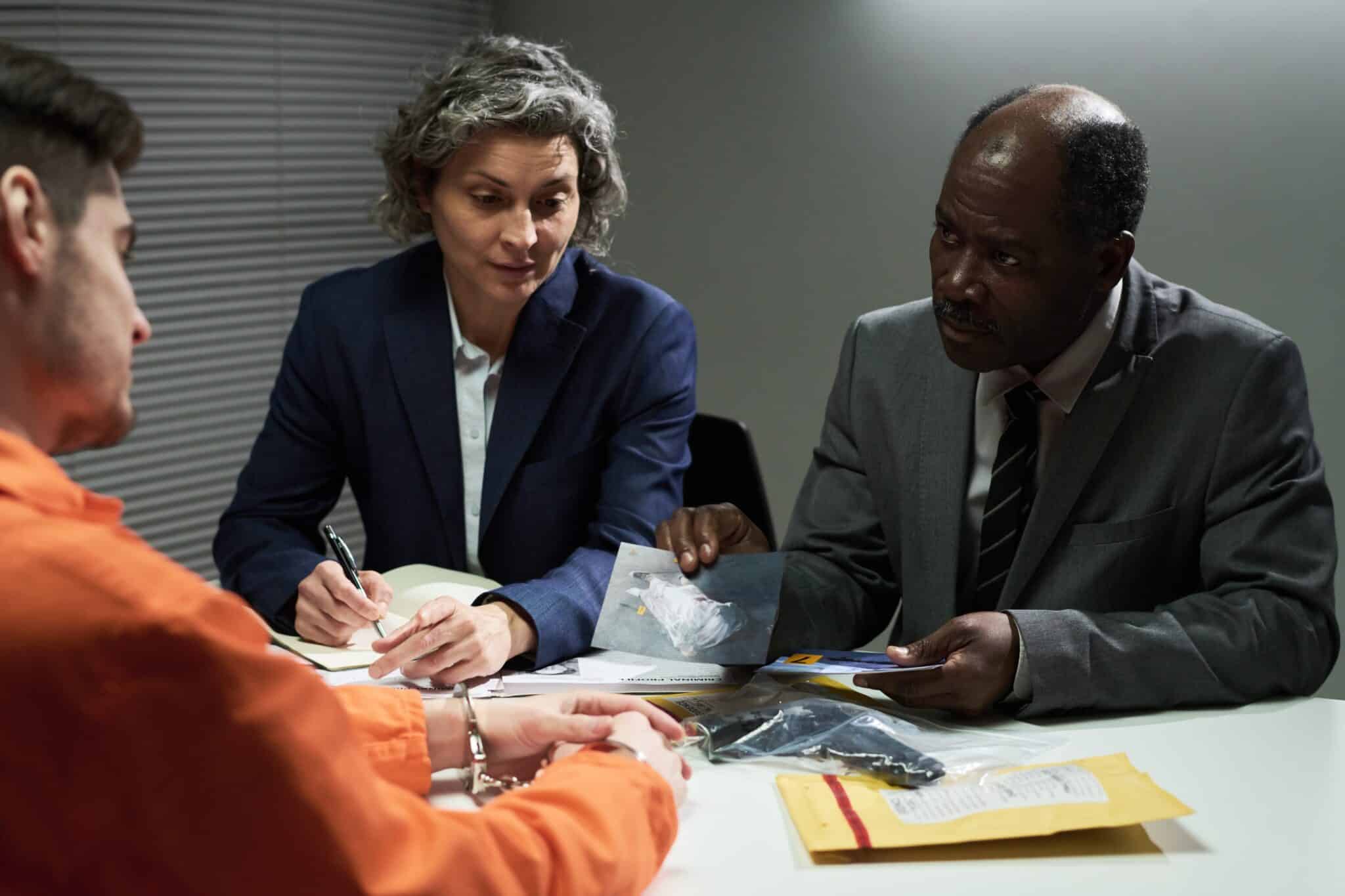
Getting arrested can turn your world upside down. One traffic stop, one misunderstanding, one wrong place, wrong time, and all of a sudden, you’re looking at mug shots and a court date you never planned for. Most people think a defense lawyer’s job is to show up in court, make a compelling argument, and walk out with their client. That is far from the reality. The real defense work takes place elsewhere. Whether in file rooms, parking lots, lab reports, or quiet phone calls to witnesses. It starts when you hire a lawyer and rarely ends until the case concludes. That’s what that work looks like in real life.
Reading the Police Report Through a Defender’s Lens
A defense lawyer reads the arrest report. They look for holes, inconsistencies, or any shortcuts the officer took in the stop or arrest. Was there reasonable suspicion under California Penal Code Section 836? Did you receive Miranda warnings before being interrogated in custody?
A savvy Rancho Cucamonga criminal defense lawyer will match those reports to body-cam footage, dispatch audio, and any other recordings they can find. That’s when the difference between the written record and what the cameras caught becomes a weapon. Such minor inconsistencies often lead to a break in a case.
Pulling Apart the Prosecution’s Timeline
The state presents its case to the jury. Your defense team rebuts all of it. They go back to the scene, take pictures, and check whether any neighbors or businesses have cameras that police may have missed.
Your legal team may secure additional witnesses. It could be a friend or a co-worker who sees something. It might even be a stranger. That changes everything. Cell tower pings, rideshare records, GPS logs, and doorbell cameras can all demonstrate your innocence. The more gaps you prove, the more reasonable your plea deals appear.
Forensic Evidence Under a Microscope
Lab tests may sway juries, but they fail more often than you think. Defense lawyers examine documents of the chain of custody, breathalyzer calibration, and DNA testing procedures. California Evidence Code Section 1400 requires that authentication occur before any evidence reaches a courtroom.
Independent experts test the same samples and sometimes reach entirely different conclusions. Contamination happens. Storage failures happen. Outdated test methods happen.
In San Bernardino County, cases often go south when defense attorneys prove the lab did not do its job. These results are seldom brought to light without someone asking the right questions.
Pre-Trial Motions That Shift the Balance
Strategic motions have the potential to undermine a case before opening statements happen. A Penal Code Section 1538.5 motion to suppress is an attempt to exclude illegally obtained evidence. Prosecutors don’t like to see these motions once filed. A Pitchess motion can apply (Evid. Code § 1043, 1045): A motion to obtain an officer’s personnel file where honesty or excessive force is an issue.
There is also a Penal Code Section 995 motion to dismiss when a preliminary hearing fails to meet the probable cause standard. The San Bernardino County Superior Court hears motions, and the court’s rulings often decide whether the case goes forward.
Witness Preparation and Negotiation Leverage
Cross-examinations win trials; sure. But only when your lawyer does their homework. They explain what questions the prosecutor will ask and find weaknesses in the state’s witnesses.
The same preparation pays off when negotiating. How? The investigation, expert reports, and mitigation evidence can convince the other side of the truth. Now, these negotiations change complexion. That’s how their work pays off, not through bluffs or theatrics.
Conclusion
A successful case is never a matter of chance. Lawyers build these cases one by one, using document review, scene work, forensic challenges, and timely motion practice. The truth is, if you walk into a courtroom or sit down to talk plea terms, your lawyer has already done the hard work. Each witness is found by investigators. The defense is going after every lab report.
Anyone facing charges anywhere in San Bernardino County must involve counsel early on, because California criminal deadlines move quickly, and you can lose crucial evidence during that time. Surveillance footage just disappears. Memories fade. Witnesses move on.
The earlier a defense lawyer starts working on your case, the more options remain when actual decisions arise.