
Most of the time, about a personal injury, whether through a car accident, at work,…
How Brain Injury Victims Pursue Full Legal Recovery – Guest Post
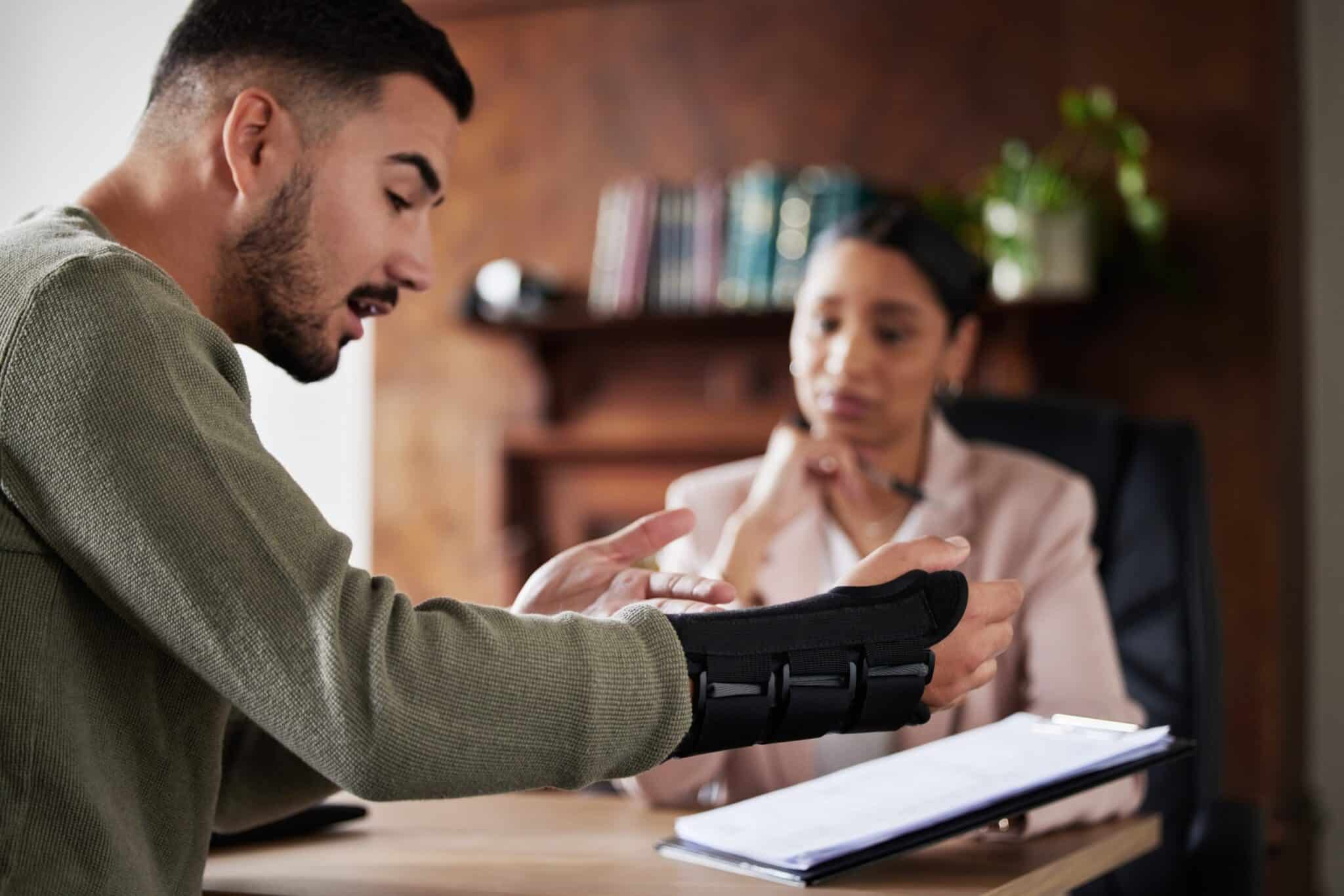
A brain injury can alter memory, speech, balance, and emotional control within seconds. Legal recovery asks for more than payment of emergency bills. It requires proof of how damaged tissue, disrupted cognition, and changing behavior affect daily function over time. Many symptoms surface gradually, which makes early assumptions risky. A strong claim shows the full medical picture, the practical burden at home, and the financial strain that may continue for years.
Early Action
In the first days after trauma, families often focus on scans, discharge notes, and follow-up care. During that window, an NYC brain injury lawyer can help secure witness accounts, preserve incident evidence, and protect medical timelines before gaps appear. That guidance matters because confusion, headache patterns, and slowed processing may intensify after the initial visit. Early legal review also reduces the chance of harmful statements to insurers.
Medical Proof
Lawyers such as those at Frekhtman & Associates help brain injury victims across New York City document medical evidence and pursue personal injury claims and other catastrophic injury cases. Brain trauma claims rise or fall on careful medical documentation. Emergency records, imaging studies, neuropsychological testing, and therapy notes can connect the event to impaired attention, poor recall, language disruption, or altered sleep cycles. Clinicians also document dizziness, sensory changes, irritability, and fatigue. Those findings help explain why a patient cannot resume prior duties, maintain steady hours, or manage familiar tasks without support.
Hidden Losses
The largest losses often sit outside the hospital invoice. Some victims need cognitive rehabilitation, counseling, transportation help, home assistance, or supervised medication routines. Relatives may cut work hours to attend visits or monitor safety. A person who returns to employment may still lose earning capacity because slower processing and mental exhaustion reduce performance. Full recovery should reflect those future needs before a settlement closes the claim.
Proving Fault
Every case must tie the injury to another party’s conduct. That may involve a crash, unsafe walkway, falling object, assault, or treatment error. Photos, surveillance footage, witness testimony, and incident reports help show what happened. In disputed matters, reconstruction specialists may explain force, timing, and mechanism. Clear liability evidence keeps attention on the event itself, rather than on attempts to shift blame onto the injured person.
Insurance Tactics
Insurers often challenge claims by pointing to a normal scan or a short hospital stay. Brain trauma does not always leave dramatic imaging findings. Patients can still struggle with concentration, language, light sensitivity, or emotional regulation. Adjusters may also blame prior conditions or call treatment excessive. Careful preparation answers those arguments with physician notes, test results, and observations from people who see the injured person every day.
Building the Long View
Expert witnesses help translate clinical injury into financial reality. A neurologist may explain the diagnosis and progression of symptoms. A vocational evaluator can address work limits created due to slowed processing or impaired executive function. Economists estimate reduced earnings, treatment expenses, and household service loss. Life care planners outline practical future needs, which gives judges, juries, and insurers a clearer basis for valuing long-term harm.
Daily Impact
Daily limitations often carry unusual weight because they show how the injury behaves outside a clinic. A victim may forget appointments, lose track of conversations, or need prompts for simple routines. Family members, friends, and coworkers can describe those changes with precision. Their accounts give texture to test data and treatment notes. That evidence also shows damage to independence, relationships, and confidence long after the incident.
Settlement Value
A sound settlement accounts for both visible and less visible harm. Medical bills matter, but so do future therapy, reduced income, physical pain, and diminished quality of life. Lawyers weigh records, expert opinions, and trial risk before making a demand. Patience can protect the case. Early offers may look reasonable while leaving out later declines, delayed symptoms, or work restrictions that become clear months afterward.
Trial Pressure
Some claims move only when trial preparation becomes real. Filing suit opens access to sworn testimony, document requests, and court supervision. That process may uncover poor safety practices, inconsistent records, or weak defense theories. Defendants often reassess exposure once a jury becomes possible. Serious courtroom preparation also gives injured people a stronger footing, because decisions can rest on evidence rather than pressure from an insurance carrier.
Family Role
Families often become the first reliable observers after brain trauma. They notice missed medications, repeated questions, sleep disruption, personality changes, and sudden frustration during routine tasks. Written notes can establish patterns that short appointments may miss. Relatives also help lawyers understand how life functioned before the event and how it changed afterward. That broader account can make a damages claim more accurate and more persuasive.
Conclusion
Full legal recovery depends on timing, medical proof, and a clear account of daily loss. Brain injury cases are strongest when records, expert analysis, liability evidence, and family observations support one another. Quick settlements can overlook future care, reduced work capacity, and cognitive decline that appears later. Careful preparation protects the injured person from that risk. With a disciplined approach, compensation can better match the true reach of the harm.