
Being charged with a crime can flip your life upside down. “One court date can…
How a Criminal Defense Attorney Reduces Charges Strategically – Guest Post
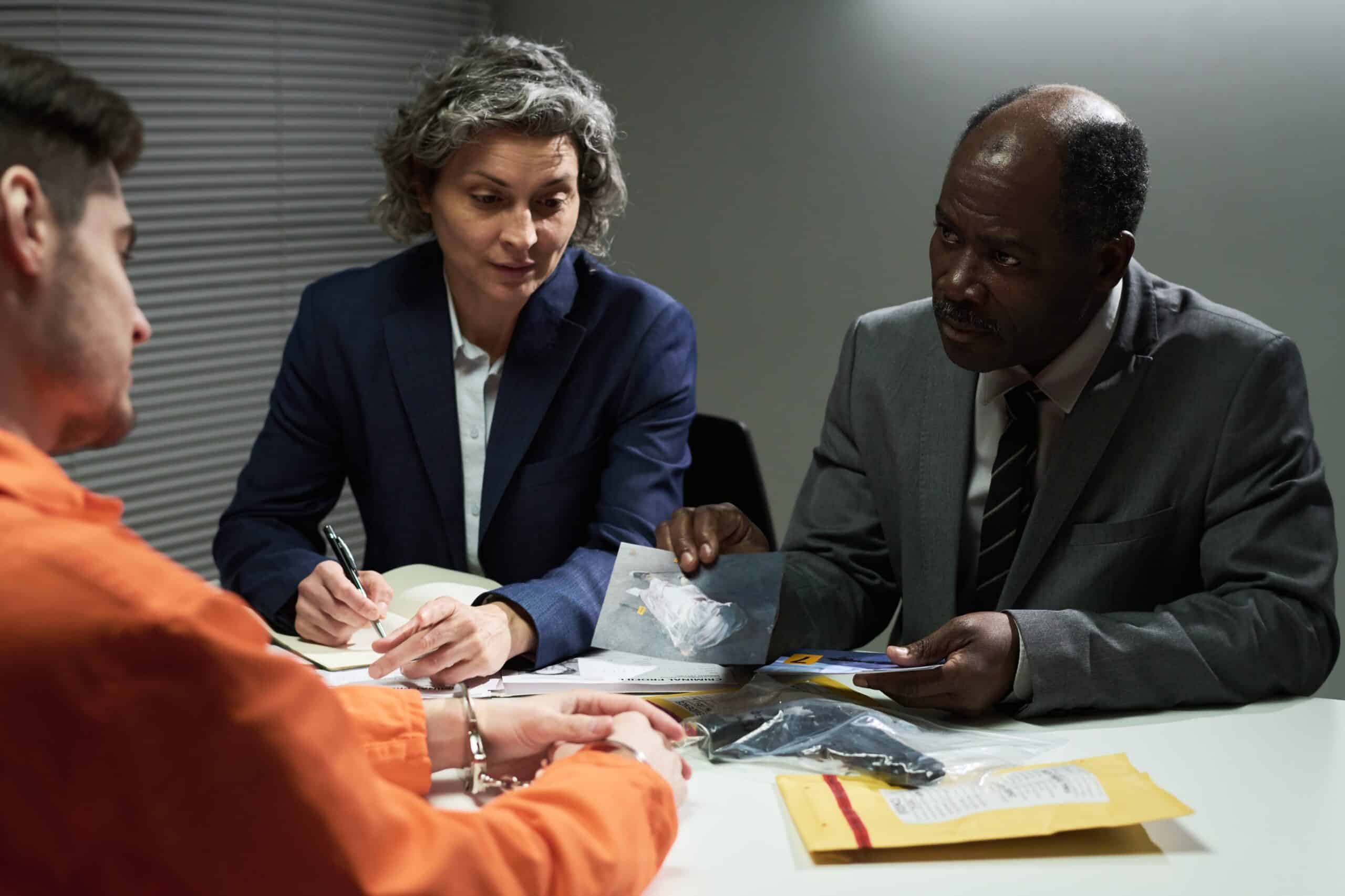
The process of filing criminal charges usually occurs promptly in Orange County, as reports from the police and other filings help to establish the crime. The manner in which the case will be handled by the local courts and prosecutors may affect how a charge is treated as either a felony or a misdemeanor. In such cases, a defense lawyer is very important since he or she helps to examine evidence and make the appropriate moves that reduce exposure while still making sure the case is factual.
Early Case Review Sets the Tone
Within days of the arrest, the defense lawyer goes through reports, video footage, dispatcher logs, and witness statements looking for discrepancies in the facts of the case. During this initial investigation phase, a criminal defense attorney in Orange County, CA, could discover issues such as overcharges, lack of probable cause, or absent elements prior to determining formal charges, allowing the defense to have its best chance at making its case.
Weak Evidence Can Shrink Exposure
Sometimes the case appears to be promising at arrest; upon closer evaluation, however, the situation might prove to be otherwise. A vague tape recording, ambiguous identification, flawed chronology, or damaged evidence can lessen the conviction of the initial charge made by law enforcers. The quality of evidence will be evaluated for the possibility that the jury might have difficulty convicting the accused in court.
Intent Often Changes the Charge
A person’s mental state is generally used to distinguish between a serious crime and a minor charge. What might seem like premeditation could simply be due to misunderstandings or rash actions taken in a confused, panicked state or without a plan to commit an act. The lawyer must argue only what is provable regarding the intent behind the behavior.
Procedure Errors Create Negotiation Pressure
There are boundaries on police power, which the courts respect. When searches are conducted without any basis, interrogations occur without Miranda rights being read, or a detainment has not been handled appropriately, crucial evidence may be disallowed. Once the issue of suppression arises, the case against the individual is much less strong. This can lead to a more lenient charge being considered.
Record and Background Matter
A defendant’s personal background can alter the interpretation of their file. An individual who has never been in trouble before is perceived in a different light than one who has had numerous brushes with the law. The defense attorney provides proof of their client’s work history, parenting, participation in rehabilitation programs, schooling, and stable residence. These facts provide background information that the police report lacks.
Charge Selection Is Often Negotiable
There can be multiple statutes that pertain to the same event. The prosecutor may begin by charging the defendant with the gravest possible charges, but it is also true that the same event may be charged as a misdemeanor under other laws as well. This is significant because of its importance in deciding the charge that could lead to different consequences in the future.
Timing and Preparation Influence Outcomes
Attorneys who promptly gather all necessary documents, obtain witnesses’ testimonies in advance, and store all communications through cellphones have the ability to prepare the case while the memories are still fresh. The lawyer who has all his information organized will enter into the discussions armed with the truth. It takes a prosecutor in a different light when he can see the weaknesses.
Human Factors Support Better Resolutions
The judicial system is sensitive to the actions that indicate responsibility. This includes voluntary counseling, drug testing, restitution, anger management therapy, and mental health treatment. All such steps could be used by the lawyer as signs of responsibility and decreased danger for the future. They would enable the attorney to make the case more appealing in the process of negotiations and take it beyond punishment and sentencing.
Trial Readiness Improves Plea Offers
When assessing each individual case, the prosecution always keeps in mind what might occur during a jury trial. With the defense prepared to attack officers and challenge the methods of experts, the likelihood of defeat is greater. Trial preparation transforms the dynamics of negotiation by highlighting the fact that winning is not guaranteed. This consideration alone can reduce the number of charges and lessen the sentences handed out.
Conclusion
A charge reduction comes about because of continuous legal efforts and not just through a single event. An accurate assessment, strategic motion, realistic consideration of the circumstances, and credible trial preparation will all help reduce the charges. Every action serves as a means for the prosecution to have an actual reason to consider the amount that may be proved. With the defense attorney able to bring out deficiencies and the personal background of the defendant, the charge becomes more realistic.