
One slip-up in the erratic work life could result in a mishap. It leaves you…
Driving on the Clock: Is Your Employer Liable for Worker Accidents? – Guest Post
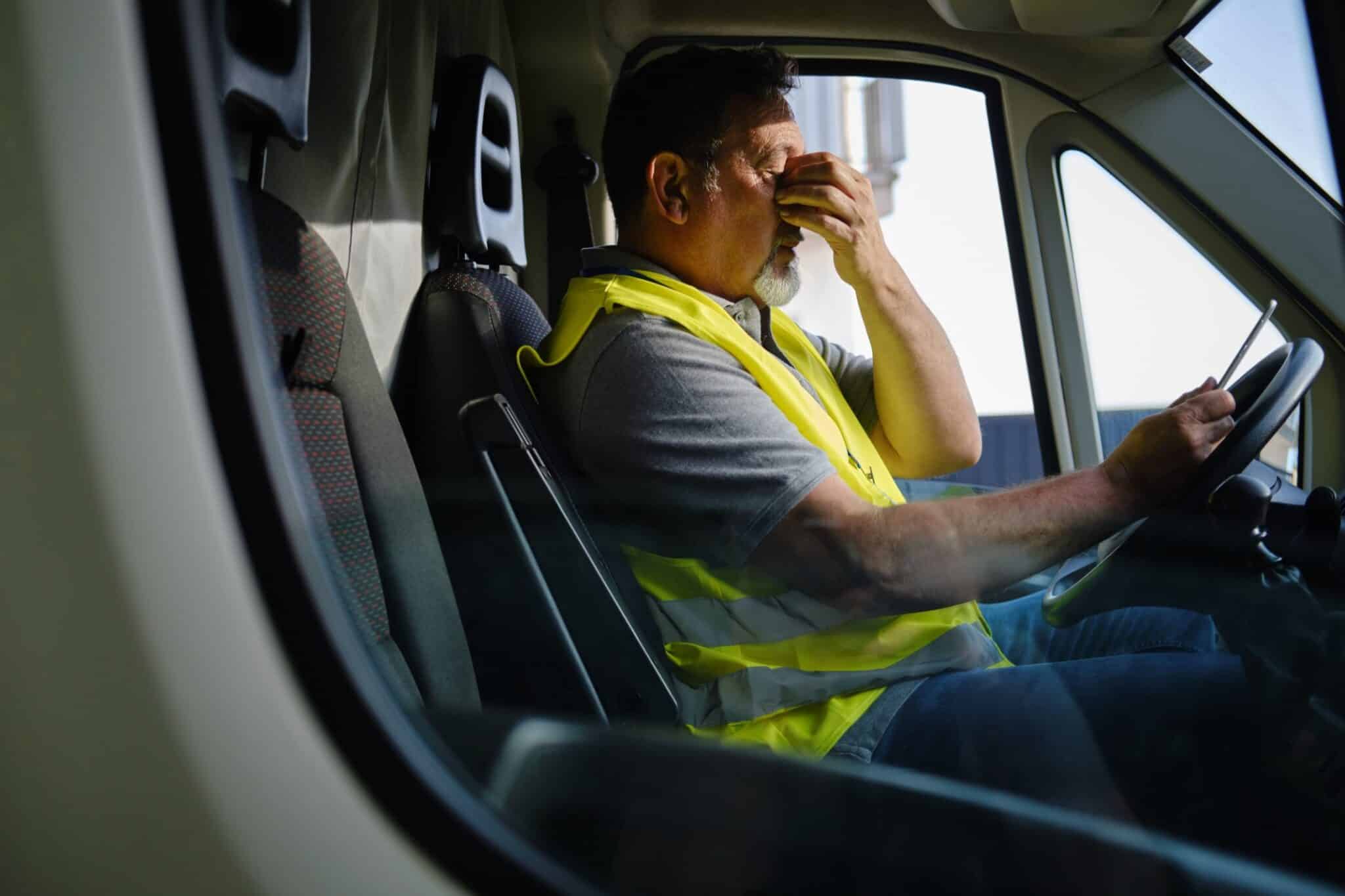
When employees drive as part of their job, the line between personal responsibility and employer liability can become complex. Many industries rely heavily on employees who operate vehicles during work hours, including delivery services, construction companies, real estate agencies, healthcare providers, and corporate teams that travel between sites. When an accident occurs on the clock, questions arise about who is responsible for damages, medical bills, and lost income. Understanding the legal principles behind employer liability can help employees protect their rights and ensure they receive the support they need during recovery.
When Employers Are Responsible Under Respondeat Superior
One of the most common legal principles that applies to workplace driving accidents is respondeat superior. This doctrine holds employers responsible for the actions of employees when those actions occur during the course of employment. If an employee is completing assigned work duties, such as delivering goods, driving to a client meeting, transporting equipment, or conducting errands for the company, the employer may be liable for the accident.
This responsibility exists because employers benefit from the work the employee is performing. Courts generally consider whether the employee was acting within the scope of their job when the accident occurred. If so, the employer may be responsible for covering damages that result from the collision. This can include property repair, medical care, lost wages, and other financial losses. Understanding when an employee is considered to be acting within job duties is essential for determining liability.
When Employers Are Not Liable for Employee Accidents
There are situations where employers are not responsible even if the employee is behind the wheel during work hours. One of the most well known exceptions is the coming and going rule. This rule states that employers are generally not liable for accidents that happen during an employee’s commute to or from work because the employee is not actively performing job duties.
Employers may also avoid liability when the employee engages in activities outside the scope of their assigned tasks. This includes personal errands, unauthorized detours, or behavior that violates company policy. If an employee significantly deviates from their work route for personal reasons, courts may determine that the employee was not acting on behalf of the employer. In such cases, the employee may be personally responsible for the consequences of the accident. These boundaries help define when a driving task shifts from work related to personal in nature.
Complications Involving Company Vehicles and Insurance Policies
When an accident involves a company owned vehicle, liability may become more complicated. Employers who provide vehicles for work use often carry commercial auto insurance policies. These policies typically offer broader coverage than personal auto insurance and may apply even if the employee was performing routine tasks. However, questions can arise when employees use company vehicles for personal purposes. The terms of the employer’s insurance policy will heavily influence the outcome.
Employees who use their personal vehicles for work tasks also face unique considerations. Personal auto insurance policies sometimes exclude accidents that occur while performing work related activities. This can lead to disputes between personal insurers and employers regarding who is responsible for the damages. Navigating these challenges may require careful review of both personal and employer insurance coverage and understanding where gaps may exist.
Third Party Claims and Employer Negligence
Employer liability does not always depend solely on the employee’s actions. In some cases, liability arises from the employer’s own negligence. Employers have a responsibility to ensure that employees who drive as part of their job are properly trained, licensed, and qualified. If the employer fails to conduct background checks, verify driving records, or provide adequate safety training, they may be liable for negligent hiring or supervision.
Vehicle maintenance is another important factor. If an employer allows employees to operate unsafe or poorly maintained vehicles, the employer may share liability when mechanical failure contributes to an accident. These situations highlight the importance of company responsibility in creating safe working environments for employees who drive.
The Role of Legal Support in Work Related Accidents
Determining whether an employer is liable for an accident can be challenging. Employers, insurers, and opposing parties may provide conflicting interpretations of company policy, job duties, and insurance coverage. Employees often seek guidance from professionals such as a Texas car accident lawyer who can help clarify the situation, review available evidence, and determine how the law applies to the specific circumstances of the case.
Legal support can be especially valuable when an employer disputes liability or when insurance companies offer limited coverage. Attorneys can assist in gathering documentation, negotiating settlements, and ensuring that the injured employee receives fair compensation for medical expenses, lost income, and other damages. Understanding when to seek legal advice can make a significant difference in the outcome of a work related accident claim.
Conclusion
Accidents that occur during work related driving bring unique challenges in determining who is responsible for financial and legal consequences. Whether an employer is liable depends on factors such as job duties, driving purpose, insurance coverage, and the employer’s own safety practices. By understanding the principles that guide employer liability and recognizing when professional guidance may be necessary, employees can better protect their rights and navigate the aftermath of a workplace driving accident with confidence.