
New York moves at a relentless pace, with millions of residents, commuters, and visitors sharing…
Car Accidents in Indianapolis: Why the 51 Percent Bar Makes Evidence the Most Important Investment After a Serious Crash – Guest Post
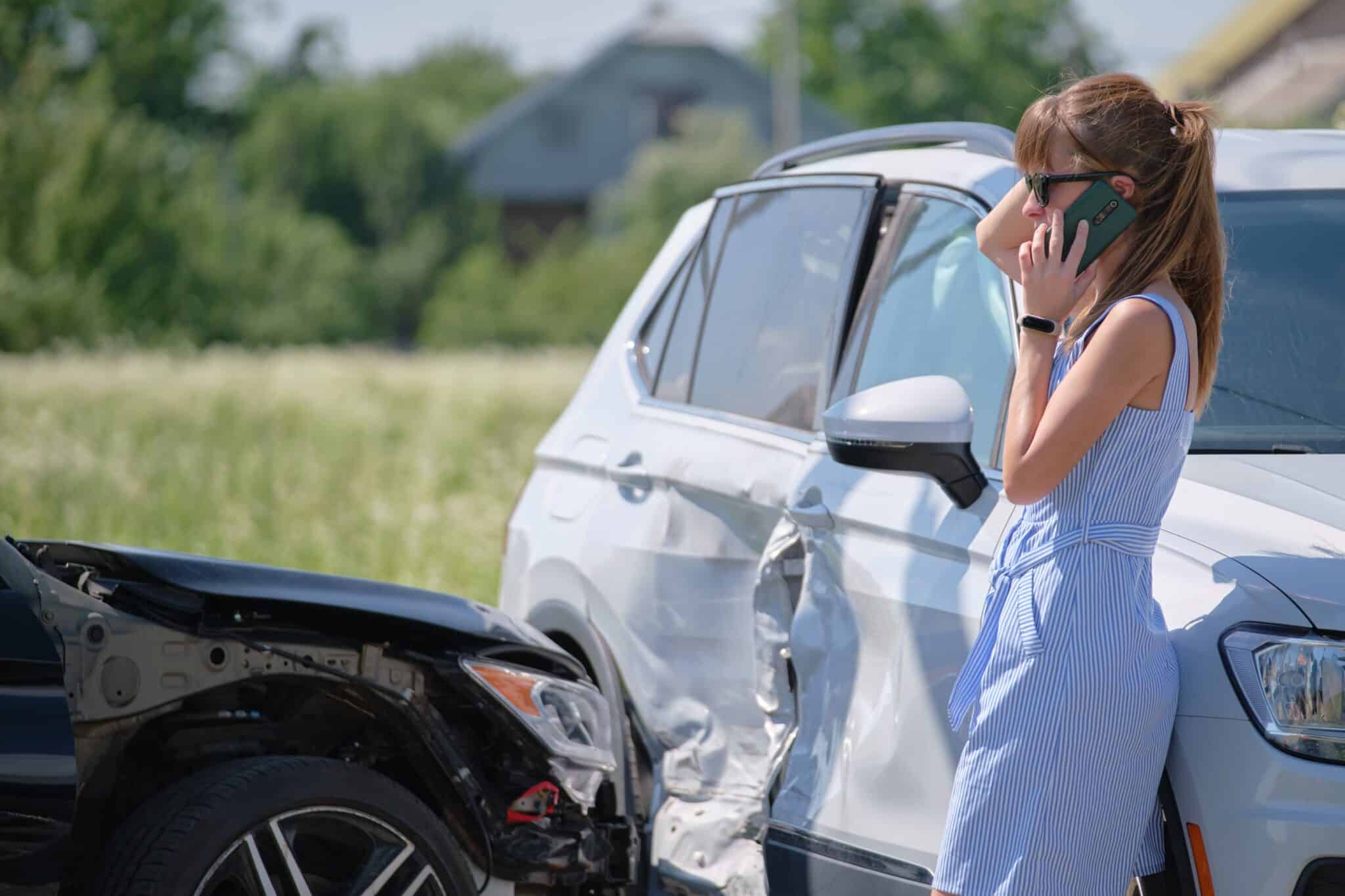
Indianapolis drivers navigate one of the Midwest’s most complex urban highway networks, with I-465 encircling the city, I-70 and I-65 intersecting in the urban core, and US-31 and US-40 carrying commercial and commuter traffic through the city’s commercial corridors. The crashes that occur on this network are governed by Indiana’s modified comparative fault standard, which bars any recovery when the injured driver’s fault reaches or exceeds 51 percent of the total causation. For Indianapolis car accident victims, this 51 percent threshold is not an abstract legal concept: it is the specific number that insurance adjusters target when they build their fault arguments, and the difference between 50 percent attributed fault and 51 percent is the difference between a meaningful financial recovery and nothing at all.
The Indianapolis Crash Environment and Its Fault Arguments
Indianapolis insurance adjusters build their fault attribution arguments from the specific crash scenarios that the city’s road network most commonly produces. On I-465’s interchange sections, speed arguments arise because actual traffic flow on the outer belt regularly exceeds posted limits, giving adjusters a basis to argue that any driver who was keeping pace with traffic was nonetheless speeding. On US-31’s commercial strip south of downtown and US-40 through the east side, angle crash fault arguments center on access point crossing patterns where the adjuster characterizes the claimant’s approach as insufficiently cautious. And on the dense residential grid streets of Broad Ripple, Fountain Square, and Irvington, following distance and distraction arguments arise from the stop-and-go conditions those neighborhoods generate.
The event data recorder in the at-fault vehicle is the most powerful evidence available to counter these arguments because it documents the at-fault driver’s conduct in objective terms no narrative can override. A rear-end crash where the EDR shows the at-fault driver traveling at speed with no pre-impact braking cannot sustain a following distance argument against the lead vehicle. A left-turn crash where the EDR shows no braking before the turn cannot sustain a speed argument against the approaching driver. An attorney engaged within 48 hours serves the litigation hold that preserves this data before the vehicle is repaired and the record is overwritten by the next trip.
The Coverage Investigation That Finds All Available Dollars
Indiana requires minimum liability coverage of $25,000 per person and $50,000 per accident, and a significant proportion of Indiana drivers carry only minimum coverage. When the at-fault driver’s $25,000 limit is exhausted by emergency room costs alone, the injured driver’s own uninsured and underinsured motorist coverage under Indiana Code Section 27-7-5-2 is the critical second layer that determines whether the total recovery reflects the actual damages or just what the at-fault driver could cover. Identifying the UM/UIM limits on every potentially applicable policy, including household members’ policies that may extend coverage to the injured driver, and activating those coverages correctly and promptly is the coverage investigation that changes what seriously injured Indianapolis drivers actually recover.
What to Do in the Hours After an Indianapolis Crash
The actions taken in the first 24 hours after a serious Indianapolis car accident have a disproportionate effect on the legal claim’s ultimate strength. Seeking medical evaluation immediately connects symptoms to the crash date in a way that a delayed visit does not. Collecting witness contact information at the scene before the area clears preserves the independent accounts that adjusters cannot contradict. Declining to give a recorded statement to the at-fault driver’s insurer before legal representation is in place prevents the creation of a self-generated record that the adjuster will use to build the fault argument. And engaging legal counsel within 48 hours initiates the evidence preservation that the 72-hour window for EDR and camera data requires.
The Indiana Department of Transportation’s Indianapolis-area crash data documents the specific intersections and corridors with the highest crash concentrations in Marion County. Working with experienced Yosha Law car accident lawyers who preserve evidence within the 72-hour window, conduct the complete coverage investigation, and counter Indiana’s fault arguments with the objective evidence record gives seriously injured Indianapolis drivers the representation that changes what they recover.