
Pig butchering scams mix emotional grooming, false account growth, and repeated payment requests into one…
Can a Criminal Defense Lawyer Help You Get a Reduced Sentence – Guest Post
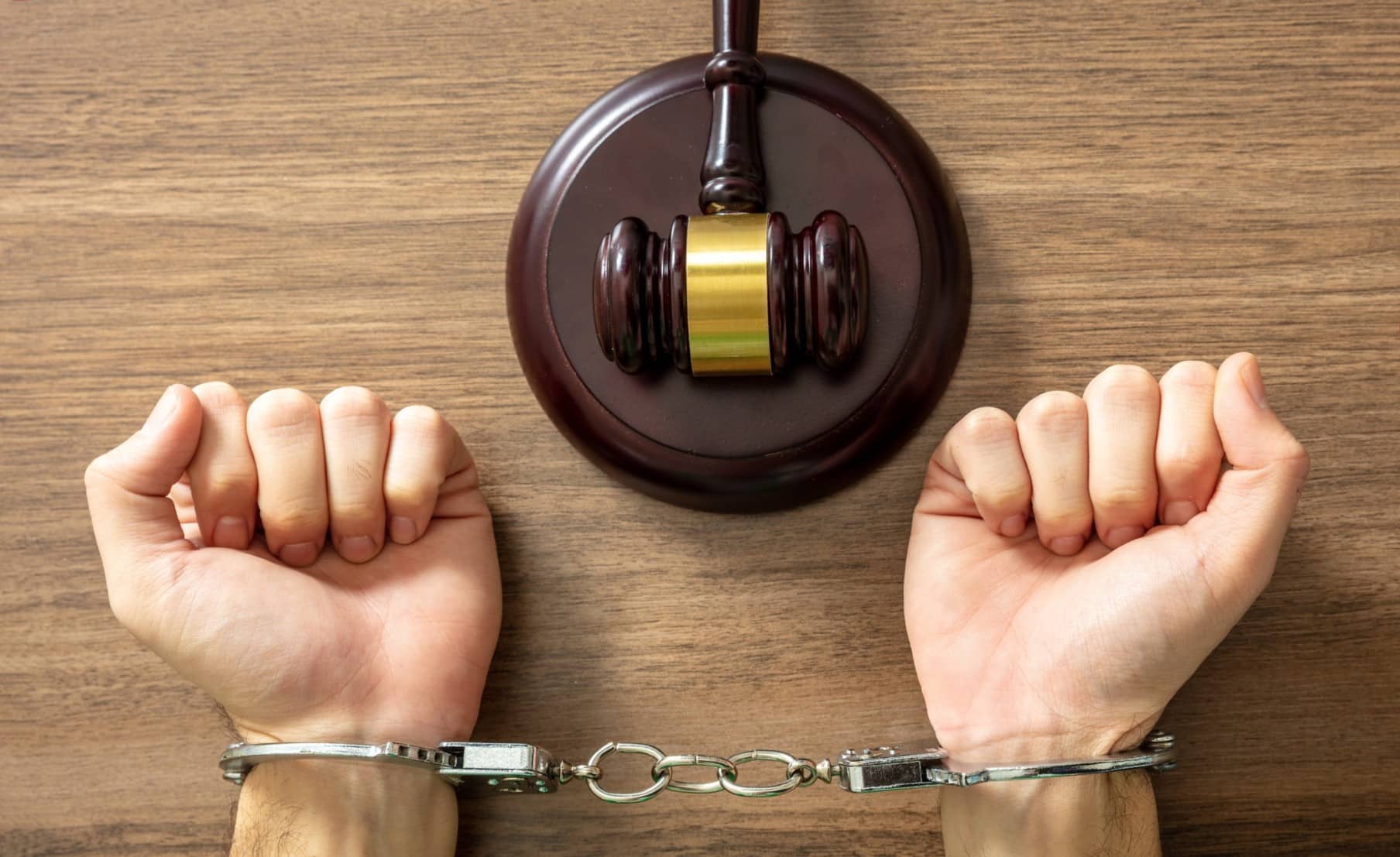
It’s stressful enough to be charged with a crime, but when you face the prospect of a stiff sentence, it adds a whole new level of urgency. Many people believe that once charges are filed, they have no control over the outcome. It’s not that one. A skilled defense attorney in Rapid City and throughout South Dakota can use a variety of legal strategies to reduce the penalties you face, sometimes dramatically.
Working with Rapid City, South Dakota, criminal defense lawyers means working with an advocate who knows how prosecutors build their cases and how judges approach sentencing. Your lawyer is working at every stage, from arguing for plea bargains to presenting evidence in support of leniency to get you the best possible result. Here is how that process works in practice.
Plea Bargaining
In the United States, the vast majority of criminal cases are resolved through plea agreements rather than trials. Your lawyer negotiates directly with the prosecutor for a deal that lessens the severity of the charges or the penalties attached to them.
That negotiation can look a few different ways. Your lawyer may negotiate a guilty plea to a lesser charge or drop some counts entirely. Or your lawyer may negotiate a deal in which the prosecution will recommend a lighter sentence to the judge. The strength of your plea position will depend on the evidence, the circumstances of the offense, and the ability of your attorney to demonstrate the weaknesses of the prosecution’s case. When negotiated well, a plea agreement will usually result in a much lighter sentence than a conviction at trial would.
Presenting Mitigating Evidence
The sentencing phase is an important time to present arguments for reduced penalties, even after a guilty plea or conviction. Your lawyer presents mitigating evidence, showing the judge a more complete picture of who you are outside of the charges.
This evidence could be a clean criminal record, stable employment history, strong family and community ties, or actions you have already taken to rehabilitate yourself like completing counseling or substance abuse treatment. Your attorney may also bring in character witnesses to testify about your role in the community and your commitment to making better choices going forward. Sentencing is a matter of considerable discretion for judges and cogent evidence of mitigation can make all the difference between the maximum and a much more reasonable outcome.
Challenging Sentencing Factors
Sentencing guidelines are frequently based on certain factors related to the crime, and your attorney can challenge those factors to get the recommended range reduced. Sentencing guidelines are based on the nature of the crime and the defendant’s criminal history, the United States Sentencing Commission says, and minor changes to those calculations can have a major impact on the outcome.
Your lawyer can cross-examine witnesses to challenge facts that could lead to a longer prison sentence, such as the amount of drugs involved, the value of property involved in a theft or fraud case, or allegations that you were a leader in the crime. If the prosecution’s version of events overstates your involvement or the harm caused, your attorney challenges that story with evidence and testimony that supports a more accurate version.
Post-Conviction Motions
In some cases, your lawyer may be able to reduce your sentence after your conviction becomes final. Federal Rule of Criminal Procedure 35 allows a person to move to reduce his or her sentence in certain circumstances, and state courts have their own rules for requesting modifications.
If there were procedural errors in the trial or sentencing that affected the outcome, your lawyer may also file a petition for a writ of habeas corpus. These tools aren’t always available but where they are applicable, they offer a real way towards a shorter or changed sentence.
The Judge Has the Final Say
The outcome of your case is largely dependent on the work of your attorney, but you should know that the judge has the final say on sentencing. That’s why the quality of the arguments, evidence, and preparation your attorney brings to the table is so important. A good defense gives the judge a reason to exercise his or her discretion in your favor.
Conclusion
A criminal defense attorney can certainly help you get a lesser sentence. Every strategy available to you, from plea negotiations to mitigation evidence to objections to sentencing factors to post-conviction motions, is aimed at minimizing the penalties you face.” The sooner you get an attorney involved, the more tools they have to work with and the stronger your position at sentencing.