
Given the sheer size of buses, bus accidents can be far more devastating than passenger…
Bus Passenger Rights After an Accident in Michigan – Guest Post
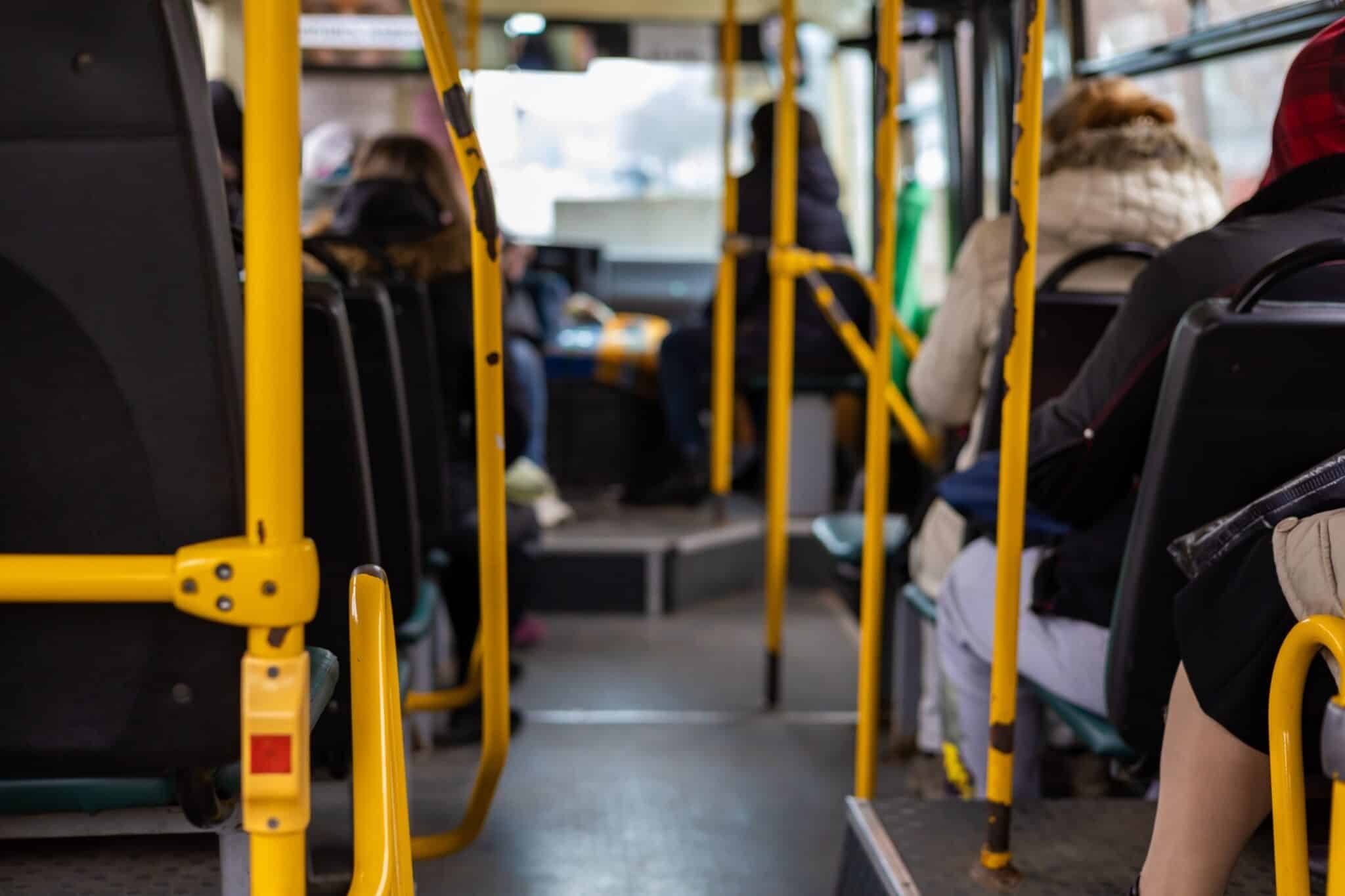
Getting on a bus, whether it’s a city transit vehicle, a school bus, or a charter coach, comes with an unspoken assumption: you’ll reach your destination safely. But accidents happen, and when they do, passengers are often left confused about what to do next, who’s responsible, and whether they even have a legal right to compensation.
Michigan law offers real protections for bus passengers injured in accidents. Understanding those rights before or after an incident can make a significant difference in the outcome of a potential claim.
What Michigan Law Says About Passenger Rights
Buses and their operators fall under a legal category known as “common carriers.” Under Michigan law, common carriers owe passengers the highest duty of care, which is a stricter standard than what applies to ordinary drivers. This means bus companies, transit authorities, and their drivers must take every reasonable precaution to keep passengers safe.
When that duty is breached, and a passenger is injured, the law allows for legal action. Consulting a Bus Accident Lawyer in Michigan early in the process is one of the most practical steps an injured passenger can take, since Michigan’s legal framework around these cases can get complicated quickly.
Types of Bus Accidents Covered Under Michigan Law
Not all bus accidents look the same. Injuries can result from a wide range of incidents, including:
- Collisions with other vehicles on highways or city streets
- Rollover accidents caused by excessive speed or poor road conditions
- Sudden stops that throw passengers forward
- Boarding and alighting incidents where passengers fall on or near the bus
- Defective bus equipment, such as faulty brakes or worn tires
- Poorly maintained bus stops that create hazardous conditions
Each type of accident may involve different liable parties, from the bus driver to the transit authority to a third-party vehicle operator or even a government entity responsible for road maintenance.
Who Can Be Held Responsible?
One of the trickier aspects of bus accident claims in Michigan is identifying who exactly bears legal responsibility. Liability can fall on multiple parties at once.
The Bus Driver
Driver negligence is one of the most common causes of bus accidents. Distracted driving, fatigue, speeding, failure to yield, or operating under the influence are all grounds for legal action against the driver directly.
The Bus Company or Transit Authority
Employers can be held liable for the actions of their employees under a legal doctrine called “respondeat superior.” If a bus company failed to train its drivers properly, ignored maintenance schedules, or pushed drivers to work dangerously long shifts, they share responsibility.
Government Entities
In Michigan, many public buses are operated by city or county transit authorities. Suing a government entity comes with specific procedural rules. For example, a notice of intent to sue often must be filed within a very short window, sometimes as few as 60 days after the accident. Missing this deadline can mean losing the right to file a claim entirely.
Third-Party Drivers
If another driver caused the collision, they and their insurance company may be the primary source of compensation. Michigan’s no-fault insurance laws still apply in bus accidents, but there are important exceptions for serious injuries.
Michigan No-Fault Insurance and Bus Accidents
Michigan operates under a no-fault insurance system, which means that after most vehicle accidents, injured people file claims through their own insurance for medical expenses and lost wages, regardless of who caused the crash.
However, bus passengers present a unique situation. Many passengers don’t own a vehicle and may not have personal auto insurance. In those cases, the bus operator’s no-fault policy generally becomes the primary source of coverage. If the injury meets the threshold for a “serious impairment of body function,” the injured passenger may also pursue a third-party lawsuit against the at-fault party.
What Counts as a Serious Injury?
Michigan law defines serious impairment of body function as an objectively manifested impairment of an important body function that affects the person’s general ability to lead a normal life. This includes:
- Broken bones
- Traumatic brain injuries
- Spinal cord damage
- Severe lacerations or internal injuries
- Long-term or permanent disability
Steps to Take After a Bus Accident in Michigan
Knowing what to do immediately after an accident can protect both health and legal rights.
1. Seek Medical Attention Right Away
Even if injuries seem minor at first, getting a medical evaluation creates a record linking the accident to the injury. Some injuries, like concussions or soft tissue damage, don’t show obvious symptoms immediately.
2. Document the Scene
If possible, take photos of the bus, the accident location, any visible injuries, road conditions, and nearby signage. Collect the bus number, route information, and driver details.
3. Get Witness Information
Other passengers or bystanders may have observed what happened. Their accounts can be valuable later in a claim.
4. Report the Accident
Notify the bus company or transit authority about the incident. File a police report if one hasn’t been made already.
5. Keep Records of Everything
Medical bills, prescription costs, missed work days, physical therapy records, and any correspondence with insurance companies should all be saved and organized.
6. Avoid Giving Recorded Statements Without Legal Advice
Insurance adjusters may contact injured passengers quickly after an accident. Giving a recorded statement without speaking to an attorney first can inadvertently hurt a claim.
Common Mistakes Bus Accident Victims Make
A few missteps can seriously weaken a personal injury claim after a bus accident.
Waiting too long to act. Michigan’s statute of limitations for personal injury claims is generally three years from the date of the accident. However, claims against government entities often have much shorter notice requirements.
Assuming the bus company’s insurance will be fair. Insurance companies are businesses. Their adjusters are trained to minimize payouts, not maximize them.
Not connecting injuries to the accident. Gaps in medical treatment or delays in seeking care can be used to argue that injuries weren’t that serious, or weren’t caused by the accident.
Settling too quickly. Accepting an early settlement offer may close the door on additional compensation, even if long-term medical costs turn out to be higher than expected.
Compensation Available to Injured Bus Passengers
Victims of bus accidents in Michigan may be entitled to recover:
- Medical expenses (past and future)
- Lost wages and diminished earning capacity
- Pain and suffering
- Emotional distress
- Costs of rehabilitation or in-home care
- Scarring or disfigurement damages
The total value of a claim depends on the severity of the injury, the degree of fault, and the available insurance coverage from all applicable parties.
When to Contact an Auto Accident Lawyer in Michigan
Not every bumpy bus ride leads to a lawsuit, but when injuries are real and another party’s negligence is involved, legal representation matters. An experienced auto accident lawyer in Michigan can evaluate the facts, identify liable parties, negotiate with insurers, and, if needed, take the case to court.
Timing is especially important. Evidence fades, witnesses become harder to locate, and procedural deadlines don’t wait. The sooner an attorney reviews the situation, the better positioned an injured passenger will be.
Conclusion
Michigan bus passengers have meaningful legal rights after an accident. The law places a high duty of care on bus operators, and when that duty is violated, injured riders have real options for seeking compensation. From understanding no-fault rules to navigating claims against government transit agencies, the process has layers that are much easier to manage with experienced legal support.
Firms like Cochran, Kroll & Associates P.C. handle bus accident and personal injury cases across Michigan and may be worth reaching out to for an initial consultation if navigating this process alone feels overwhelming.