
Driving is a common activity in our day-to-day lives. However, as much as we want…
Benefits of Enrolling in a Licensed Traffic School – Guest Post
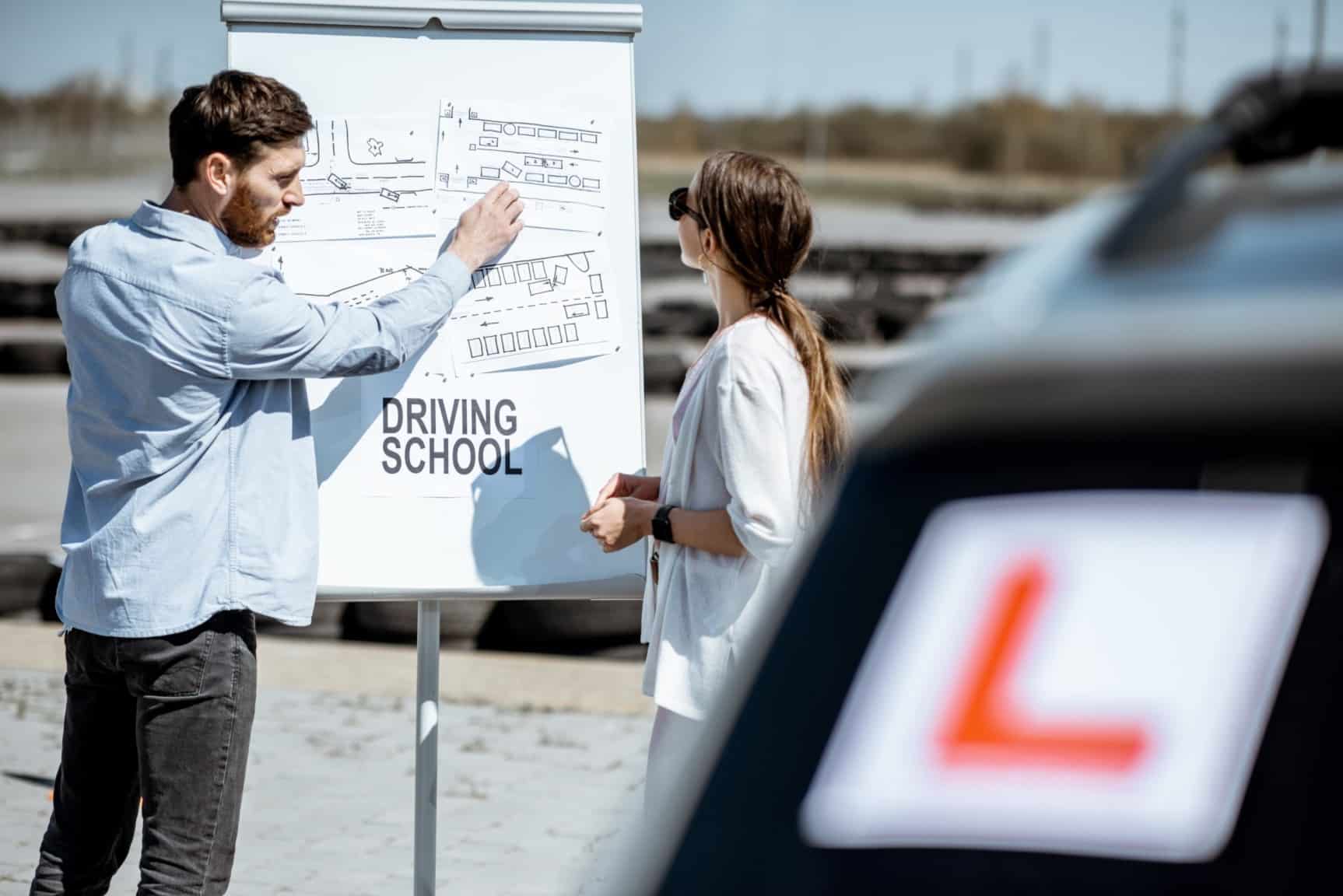
We will explore how enrolling in a licensed traffic school can shape safer driving habits, reduce long-term costs, and influence personal responsibility on the road. Many drivers consider traffic school only after receiving a violation, yet its value extends far beyond ticket resolution. Structured learning environments, updated legal knowledge, and behavioral awareness contribute to a more informed driving experience. Whether someone is a new driver or has years of experience, traffic education offers a systematic way to revisit essential rules and refine judgment. By understanding its broader impact, individuals can make more deliberate decisions that affect both their safety and the well-being of others sharing the road.
Key Advantages of Licensed Traffic School Enrollment
1. Improved Understanding of Traffic Laws and Regulations
Enrolling in a licensed traffic school provides a comprehensive review of current traffic laws, which often change over time due to evolving road systems, safety measures, and policy updates. Many drivers rely on outdated knowledge gained when they first obtained their license, which can lead to unintentional violations. Traffic school programs are structured to revisit foundational rules such as right-of-way, speed regulations, and signage interpretation while also introducing newer legal updates that drivers may not be aware of. This structured exposure helps eliminate assumptions and replaces them with accurate, current information.
Additionally, these programs often present real-life scenarios and case-based discussions that demonstrate how laws are applied in everyday driving situations. By reinforcing legal awareness in practical terms, drivers are better equipped to make informed decisions, reducing the likelihood of repeat violations. This deeper understanding also fosters a sense of accountability, as drivers recognize the reasoning behind regulations rather than viewing them as arbitrary restrictions.
2. Potential Reduction in Insurance Costs
One of the significant incentives for attending a licensed traffic school is the potential to influence insurance-related outcomes. Insurance providers often assess risk based on driving history, and violations can lead to increased premiums. Completing a recognized traffic school program may demonstrate a commitment to safer driving behavior, which some insurers consider when evaluating policy adjustments. While the exact impact varies by jurisdiction and provider policies, many drivers experience premium stabilization or prevention of increases after completing such courses.
Beyond immediate financial considerations, traffic school also contributes to long-term cost management by reducing the chances of future violations and accidents. Fewer incidents on record generally translate into a more favorable risk profile. Furthermore, the educational component of traffic school equips drivers with defensive driving strategies that can help prevent costly collisions. Over time, these preventive measures can result in substantial financial savings, making traffic school a practical step toward both safety and economic efficiency.
3. Enhanced Defensive Driving Skills
Traffic school programs emphasize defensive driving techniques that go beyond basic rule-following. These techniques focus on anticipating potential hazards, maintaining safe distances, and responding effectively to unpredictable road conditions. Drivers are taught to interpret other motorists’ behavior, identify risky situations early, and take proactive measures to avoid accidents. This approach shifts the mindset from reactive driving to strategic awareness, where individuals continuously assess their surroundings and adjust accordingly.
For example, understanding how weather conditions affect braking distances or how driver fatigue impacts reaction time can significantly improve on-road decision-making. Traffic school often incorporates visual aids, simulations, and scenario-based learning to reinforce these concepts, making them easier to apply in real-life situations. As a result, participants develop a heightened sense of awareness and control, which contributes to overall road safety. These skills are particularly valuable in high-traffic environments where quick judgment and adaptability are essential for preventing collisions.
4. Opportunity to Dismiss or Reduce Traffic Violations
In many jurisdictions, enrolling in a licensed traffic school offers drivers an opportunity to mitigate the consequences of traffic violations. This may include reducing points on a driving record, preventing license suspension, or fulfilling court requirements. Such options provide a constructive alternative to simply paying fines, allowing drivers to address the underlying behaviors that led to the violation. By completing the course, individuals demonstrate a willingness to learn and improve, which can positively influence the resolution of their case. This process also encourages reflection, as participants revisit the circumstances of their violation and identify areas for improvement.
Rather than viewing penalties as purely punitive, traffic school introduces an educational dimension that promotes long-term behavioral change. Additionally, maintaining a cleaner driving record can have broader implications, such as preserving employment opportunities that require a valid license. This aspect highlights how traffic school serves not only as a corrective measure but also as a pathway to maintaining personal and professional stability.
Enrolling in a licensed traffic school offers a multifaceted range of benefits that extend well beyond addressing immediate violations. From enhancing legal knowledge and refining defensive driving skills to influencing insurance outcomes and fostering a deeper sense of responsibility, these programs play a significant role in shaping safer driving behavior. They provide a structured environment where individuals can reassess their habits, correct misunderstandings, and adopt more informed approaches to road use. By investing time in traffic education, drivers not only protect themselves from future penalties but also contribute to a safer and more responsible driving culture.